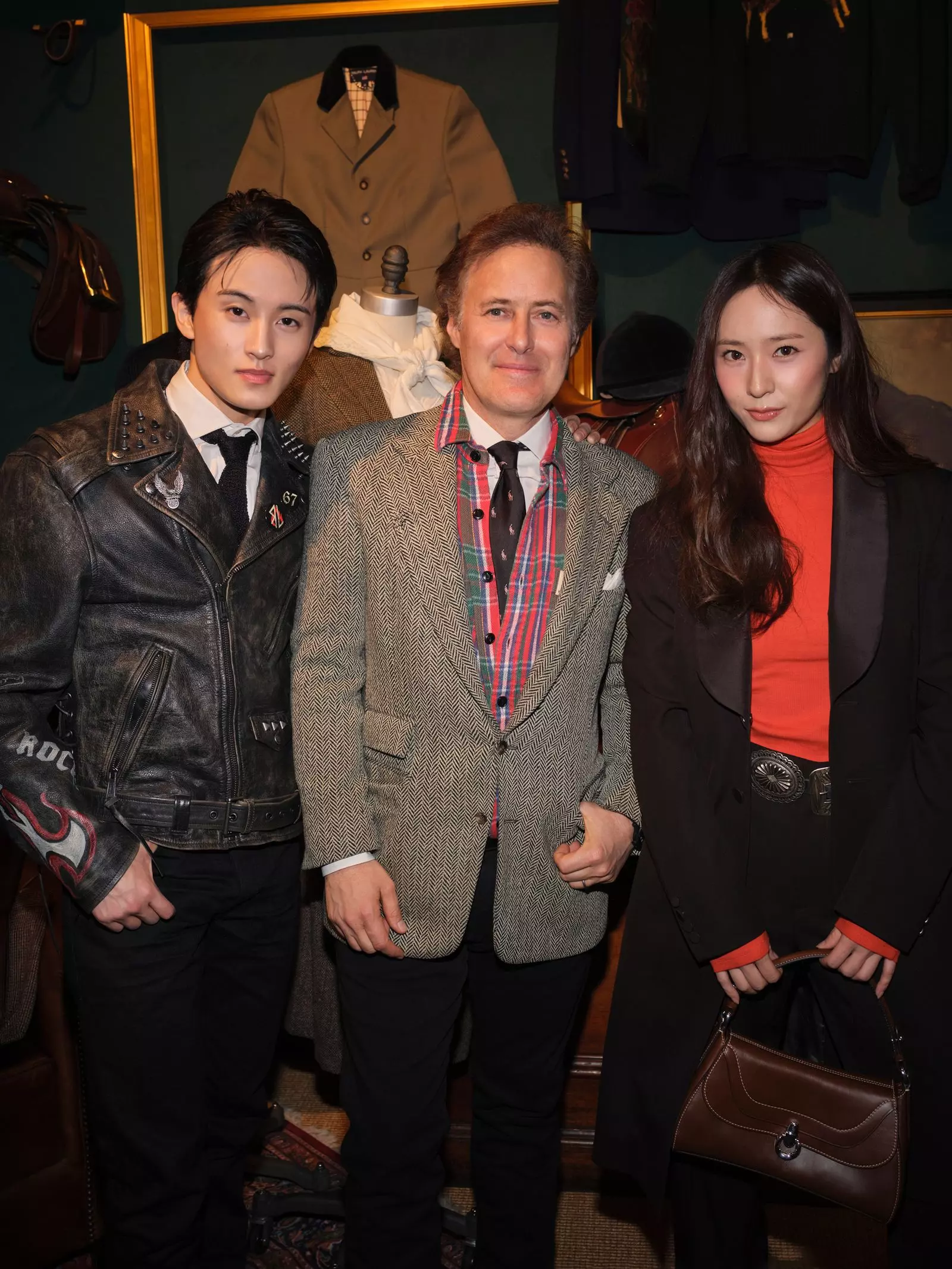
PoloFest Celebrates Vintage Ralph Lauren Culture in Tokyo
ByNaomi Campbell
The inaugural PoloFest, orchestrated by Ralph Lauren, recently took place in Tokyo, drawing an impressive 10,000 visitors to a grand exhibition space in the Harajuku district. This three-day extravaganza featured 17 specialized Polo vintage dealers from around the globe, offering an exclusive collection of 5,000 carefully chosen vintage Polo items. The event not only celebrated the brand's rich heritage but also highlighted the vibrant subculture of its dedicated enthusiasts, many of whom arrived adorned head-to-toe in Polo attire. This gathering originated from a chance encounter nearly two decades ago in Tokyo, when Ralph Lauren and his son David discovered a passionate collector's extensive archive, revealing a deeply committed global community.
PoloFest fostered a dynamic environment where the brand’s enduring legacy and the personal narratives of its wearers converged. Beyond the extensive vintage marketplace, the festival offered immersive experiences, including a "tunnel-of-Ralph" that delved into Lauren's design philosophy and pivotal moments in Polo's history. Displays of curated "rigs" showcased the brand's foundational aesthetics. A standout feature was the presence of Japanese artisans who transformed vintage Polo pieces with intricate customizations, blending traditional techniques like boro with modern interpretations. This unique fusion of reverence for the original designs and a creative, freestyle approach encapsulated the spirit of the event, reinforcing how Ralph Lauren's clothing transcends mere fashion to become a canvas for individual expression and a catalyst for community connection.
The Genesis and Global Appeal of PoloFest
PoloFest, an unprecedented event organized by Ralph Lauren, found its roots in a serendipitous discovery in Tokyo in 2006. Ralph Lauren and his son David were introduced to a fan with an extensive collection of vintage Polo items, leading them to a massive hangar filled with rare pieces. This encounter unveiled a passionate subculture of collectors globally, sowing the seeds for an event that would celebrate this fervent community. The festival in Tokyo's Harajuku district featured 17 dealers offering 5,000 hand-picked vintage Polo garments, attracting 10,000 attendees, primarily devoted Polo enthusiasts, over three days. The event not only facilitated the sale of cherished items but also integrated a unique touch: freshly stitched Japanese labels on each garment, signifying its vintage status and adding an extra layer of collectibility.
The festival served as a vibrant testament to Ralph Lauren's enduring impact on fashion and culture. It brought together a diverse crowd, ranging from fathers and sons to international visitors, all united by their appreciation for Polo's aesthetic. Beyond the marketplace, PoloFest offered immersive experiences, including a display detailing Ralph Lauren's cinematic design philosophy and a showcase of historical "rigs" that defined the brand's iconic genres. The event highlighted the brand's ability to transcend geographical and cultural boundaries, with attendees actively participating in the narrative by sharing personal stories and sartorial expressions. This global convergence underscored the profound connection individuals feel to Ralph Lauren's creations, transforming clothing into a medium for personal history and collective identity.
Celebrating Artistry and Community Through Vintage Polo
PoloFest showcased a remarkable blend of artisanal craftsmanship and community spirit, particularly through the contributions of Japanese artisans. Designers like Yui Narita and Mitsugu Sasaki masterfully customized vintage Polo garments, layering them with vintage denim, workwear, and indigo patches inspired by the Japanese boro tradition. The Sashiko Gals, a collective formed after the 2011 earthquake, recreated the iconic Polo Bear using indigo denim, demonstrating a respectful yet innovative approach to the brand's heritage. This fusion of traditional techniques with Polo originals exemplified the festival's unique alchemy, celebrating how individual creativity can enrich and reinterpret established fashion archetypes. These artisanal pieces not only offered fresh perspectives but also elevated the collectible value of the vintage items.
The festival fostered a non-hierarchical environment where collectors, dealers, and brand executives mingled freely, exchanging stories and insights. David Lauren actively engaged with attendees, highlighting the brand's philosophy of creating clothes designed to last and be passed down, imbued with personal narratives. This emphasis on longevity and storytelling resonated deeply with participants, who viewed their Polo items as more than just clothing—they were cherished possessions that chronicled their lives. Speakers like André 3000 and Jason Jules provided compelling perspectives on Polo's cultural significance, discussing how diverse communities reinterpret and personalize the brand's American archetypes. This dynamic interplay between original design and individual expression underscored Polo's capacity for "right-wrongness," allowing for endless remixing while maintaining its core identity. The event solidified the brand's relevance, proving that engagement and evolving interpretations are key to its timeless appeal, inspiring future collections through the shared experiences of its devoted community.
About the author
Naomi Campbell
Iconic supermodel who has authored books on modeling and style, and advocates for diversity in fashion.