Ratatan: A Rhythmic Roguelike's Attempt to Revive a Classic
ByRoberta Williams
In an earlier gaming era, Sony was renowned for its diverse publishing portfolio. Although modern Sony is largely focused on cinematic narratives, platforms like the PlayStation Portable once featured a wide array of innovative first-party games. A prime example is Patapon, a distinctive rhythm-action series centered around marching eyeball creatures. This title represented a unique concept, the kind of imaginative game rarely released by major publishers today.
While the innovative spirit of Patapon may not be prevalent in current PlayStation Studios releases, it lives on in Ratatan, a musical roguelike launching on October 15 for Nintendo Switch 2, PlayStation 5, Windows PC, and Xbox Series X. Developed by Patapon's original creators, Ratatan aims to reignite the rhythm game genre. This is a challenging endeavor, as developer Ratata Arts discovers with a roguelike that struggles to fully update the classic formula. Despite its structural imperfections, Ratatan retains a captivating charm that evokes a sense of nostalgia for a past gaming golden age.
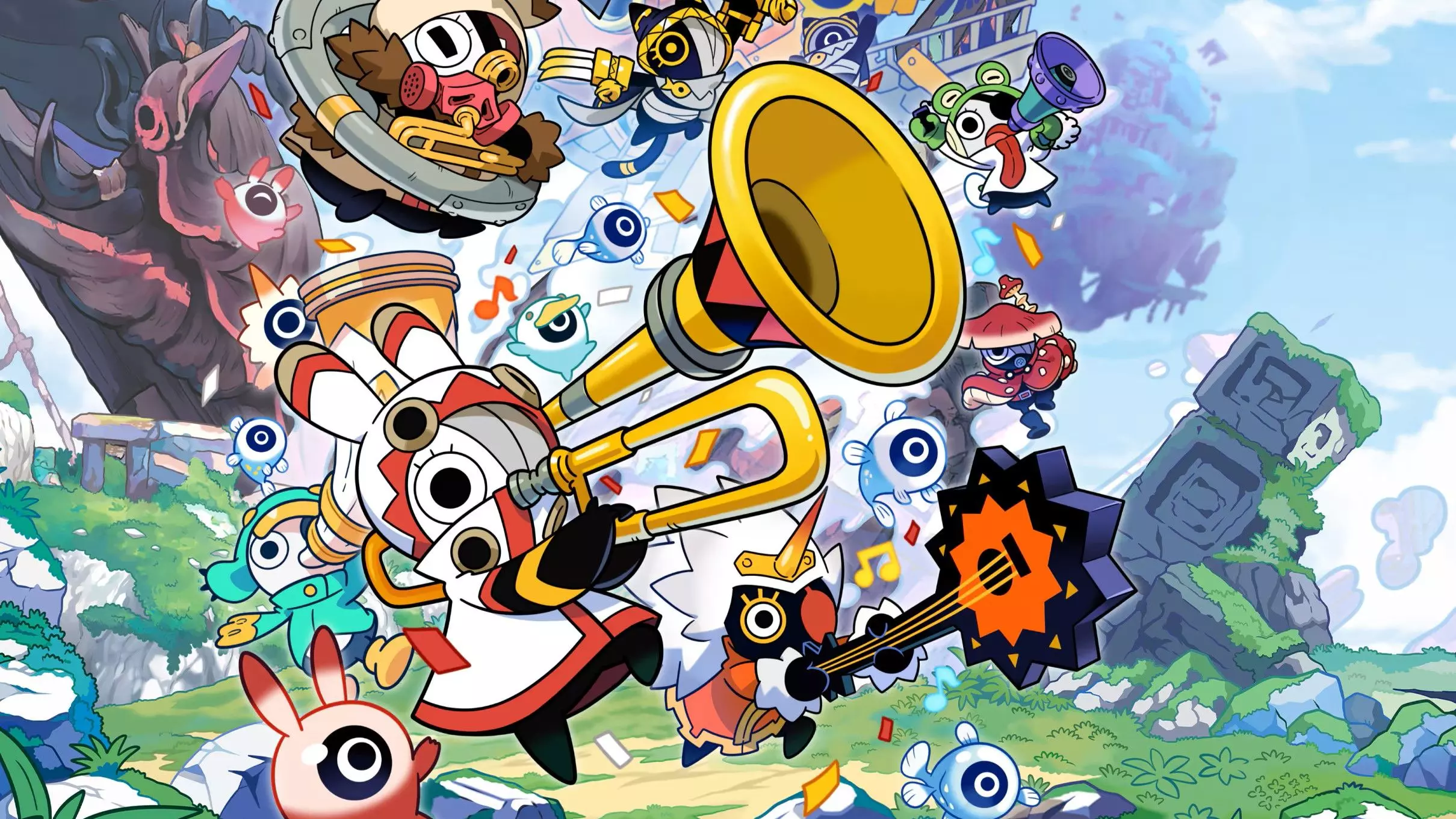
Ratatan closely mirrors Patapon in almost every aspect, including its title. Players assume the role of a small creature, a Ratatan, who leads an army of one-eyed fuzzballs called Coburn. The objective is to guide the Coburn through 2D levels filled with enemies, issuing commands to defeat foes and ultimately meet a Goddess. All fundamental Patapon elements are present, including a similar lively musical score. Visually, Ratatan excels. It's a vibrant cartoon with an infectious, feel-good atmosphere that makes it hard not to tap along to the cheerful music. The game radiates charm, clearly stemming from developers who cherished creating Patapon and are enthusiastic to revisit similar creative ground.
The rhythm-based gameplay, nearly two decades after Patapon's 2007 debut, remains engaging, albeit somewhat simplistic. Players issue commands to their Coburns by performing two or three button combinations in sync with the music. For instance, three presses of the Y button initiate marching, while three presses of the A button trigger an attack. Beyond these basic commands, players can execute magic-consuming special attacks, deploy shields, and jump to evade incoming threats. The system, though not overly complex with its limited button combinations and timing variations, easily draws players into a trance-like state of rhythmic tapping. The game also introduces strategic positioning to the Patapon formula, requiring players to move their Coburns effectively to dodge attacks.
Despite this promising foundation, Ratata Arts faces challenges in evolving the Patapon formula. Ratatan adopts a roguelite structure, where players guide their Coburn through various worlds, acquiring run-specific enhancements. The build-crafting primarily involves imbuing Coburn attacks with elemental properties like poison or shock, and adjusting critical hit power. However, these upgrades do not significantly alter gameplay. The progression of each run also remains largely consistent, with players traversing the same environments and encountering the same bosses repeatedly, offering minimal variation.
Ratatan attempts to maintain player interest through RPG elements. Players collect numerous weapons during each run, which can be salvaged to upgrade specialized gear. Persistent progression also contributes to increased power in subsequent runs and allows for a larger starting Coburn army. While these systems are crucial for encouraging repeat play, the roguelike structure quickly feels like a way to prolong limited content. Even without completing a full run, it becomes apparent that success largely depends on grinding until sufficient power is achieved to overcome the final boss.
It's understandable why Ratata Arts opted for this structure. Roguelikes are currently popular, offering an opportunity to reach new audiences who may not be swayed by nostalgia alone. It also provides an indie studio with a clever method to manage game scope while still delivering a substantial amount of content. Nevertheless, there's a sense that more could have been achieved. The final version of Ratatan feels almost identical to the early access demo from a year prior. It appears that community feedback did not lead to significant changes, which is disappointing given the success of the game's crowdfunding campaign. Patapon enthusiasts were eager to embrace Ratatan, but the development journey seems to have been abbreviated.
Despite the final product's lack of depth, I've found myself playing Ratatan more often than anticipated, overlooking its deficiencies. Its vibrant animations and catchy tunes create an endearing energy that I can't help but hum along to. My enjoyment stems less from a love for Patapon itself, and more from a nostalgic appreciation for the inventive gaming era it originated from. Ratatan is an imperfect homage, yet it represents the kind of unique passion project that major studios should still champion. The gaming landscape flourishes when creators are empowered to bring their distinctive visions to life.
About the author
Roberta Williams
Pioneer of graphic adventure games, co-founder of Sierra On-Line, and creator of "King's Quest."