Rediscovering the Enduring Appeal of Dragon Age: Origins in the Era of Baldur's Gate 3
BySid Meier
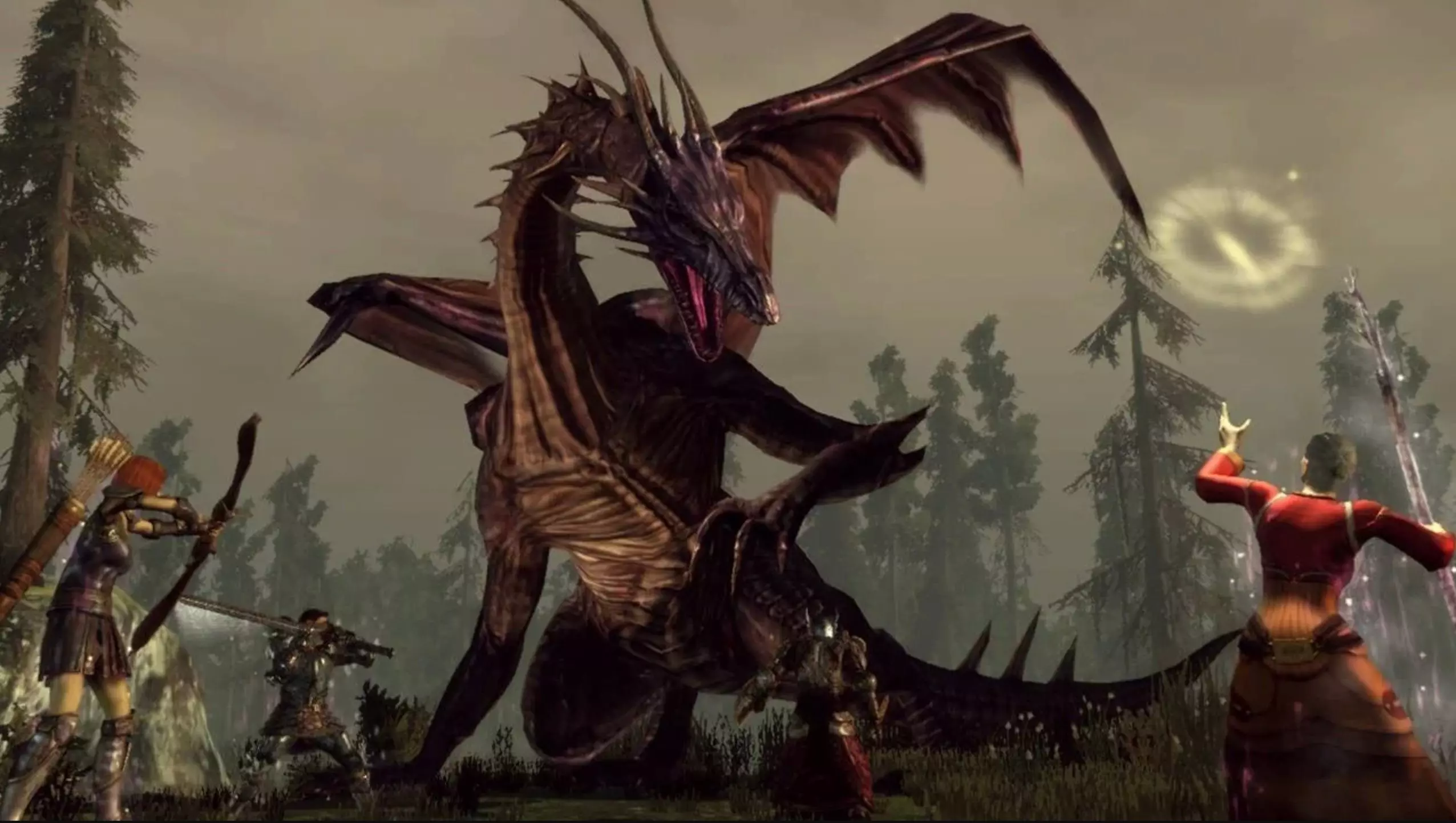
In the vibrant landscape of role-playing games, a classic from 2009, 'Dragon Age: Origins,' continues to hold its own, especially when viewed through the lens of recent blockbusters like 'Baldur's Gate 3.' This article delves into how 'Origins,' despite its graphical limitations and minor glitches, laid crucial groundwork for the character-driven, choice-laden RPG experiences that modern players cherish. It celebrates the game's profound narrative depth, its innovative approach to companion relationships, and the lasting impact of player decisions on its richly imagined world. For those captivated by the intricate storytelling and responsive environments of contemporary RPGs, 'Origins' presents a compelling, albeit retro, journey into the origins of these beloved mechanics.
For many avid gamers who have recently immersed themselves in the intricate narratives and dynamic character relationships of 'Baldur's Gate 3,' the experience of 'Dragon Age: Origins' offers a fascinating look at the roots of these sophisticated RPG elements. Released by BioWare in 2009, 'Origins' predates its spiritual successors, yet it masterfully crafted a world where player choices resonated deeply and companions felt genuinely alive. One prime example is the character of Zevran, an elven rogue whose sardonic wit and complex past mirror the beloved Astarion from 'Baldur's Gate 3.' Zevran's flirtatious demeanor and the gradual unveiling of his vulnerabilities, dependent on player interaction, showcase the early brilliance of BioWare's character writing.
Beyond individual characters, 'Dragon Age: Origins' distinguished itself with a revolutionary approach to player agency and narrative consequence. The game presented players with a starting origin story that not only shaped their initial interactions within the world of Ferelden but also influenced how various non-player characters perceived and reacted to them throughout the sprawling campaign. Whether one chose to be a city elf, a dwarven noble, or a rebellious mage, each background came with its own set of challenges and unique dialogues. This level of personalized storytelling, where your past choices reverberate across the entire game, was groundbreaking for its time and is a direct precursor to the dynamic narrative structures seen in current RPGs. The game's capacity to remember and react to every decision, from major political negotiations to minor interpersonal squabbles, forged a deeply personal connection between the player and the unfolding saga, making the stakes feel incredibly high.
The companion system in 'Origins' is another area where its influence is unmistakably clear. The game assembled a diverse cast of complex, often troubled individuals, each with their own backstories, motivations, and evolving relationships with the player character. Characters like Alistair, the insecure junior Grey Warden; Leliana, the pious bard with a mysterious past; Sten, the stoic Qunari warrior; and Morrigan, the sarcastic apostate witch, were more than just combat allies. They engaged in dynamic conversations, bickered among themselves, and reacted to the player's moral and strategic decisions with genuine approval or disapproval. These intricate interpersonal dynamics transformed companions into "mini-games" of their own, requiring careful navigation of dialogue options and quest choices to earn their loyalty or face their ire. This rich, interactive system for companion relationships profoundly impacted subsequent RPG design, including the celebrated companion systems in 'Baldur's Gate 3,' which similarly thrive on evolving friendships, rivalries, and romances based on player actions.
Despite its venerable age, which occasionally surfaces through its dated visuals and initial mechanical clunkiness, 'Dragon Age: Origins' remains remarkably playable and highly rewarding for those willing to look past its surface imperfections. Modern patches and community-driven modifications have significantly improved its compatibility and visual fidelity on contemporary systems, making the entry barrier lower than ever. The core gameplay loop, involving tactical real-time-with-pause combat and a narrative driven by weighty decisions, continues to engage players who value strategic depth alongside compelling storytelling. The game's enduring legacy is a testament to its pioneering design, showcasing how BioWare meticulously crafted a rich, responsive world where every choice held meaningful repercussions and every character felt profoundly real. For enthusiasts of narrative-rich RPGs, particularly those who appreciated the nuanced experiences offered by 'Baldur's Gate 3,' delving into 'Dragon Age: Origins' is an essential journey to witness the foundations upon which modern classics are built.
About the author
Sid Meier
Pioneering game designer known for the "Civilization" series and his philosophy on game design.