A Reimagined Classic: 'The Legend of Zelda: Ocarina of Time' for Switch 2
ByJane McGonigal
The upcoming remake of 'The Legend of Zelda: Ocarina of Time' for Switch 2 is set to deliver a deeply nostalgic yet thoroughly modernized experience. This preview provided a glimpse into how Nintendo is meticulously updating a beloved classic, balancing its cherished original design with significant graphical and gameplay enhancements. The game successfully navigates the delicate line between honoring its legacy and incorporating contemporary gaming standards, offering players a visually stunning and mechanically refined journey through Hyrule. While some changes, like Navi's increased textual commentary, might spark debate among long-time fans, the overall impression is one of meticulous care and a commitment to delivering a definitive version of this iconic adventure.
'Ocarina of Time' on Switch 2: A Deep Dive into Hyrule's Rebirth
In a highly anticipated event, Nintendo of Europe extended an exclusive invitation for a two-hour demonstration of the 'Ocarina of Time' remake on the forthcoming Switch 2 console. This extensive preview allowed participants to explore four key locations: the enchanting Kokiri Forest, the venerable Deku Tree, the expansive Hyrule Field, and the bustling Castle Town market. Scheduled for release on November 5th, this remake promises to captivate both seasoned adventurers and newcomers alike.
The journey through Kokiri Forest immediately revealed the developers' prowess in fusing classic charm with modern sophistication. The controls, while reminiscent of the original, have been subtly refined, integrating elements from more recent 'Zelda' installments like 'Breath of the Wild' and 'Tears of the Kingdom.' For instance, the sprint function is now mapped to 'A,' a departure from the traditional 'B' button, requiring a slight adjustment period even for veteran players. Despite these contemporary touches, the game retains a deliberate sense of 'old-school' Zelda restriction, preventing the unrestricted movement seen in its open-world successors. Visually, the transformation is breathtaking, with every detail, from the cracks in ancient temple walls to the intricate patterns on Link's tunic, rendered with stunning clarity, showcasing the enhanced capabilities of the Switch 2.
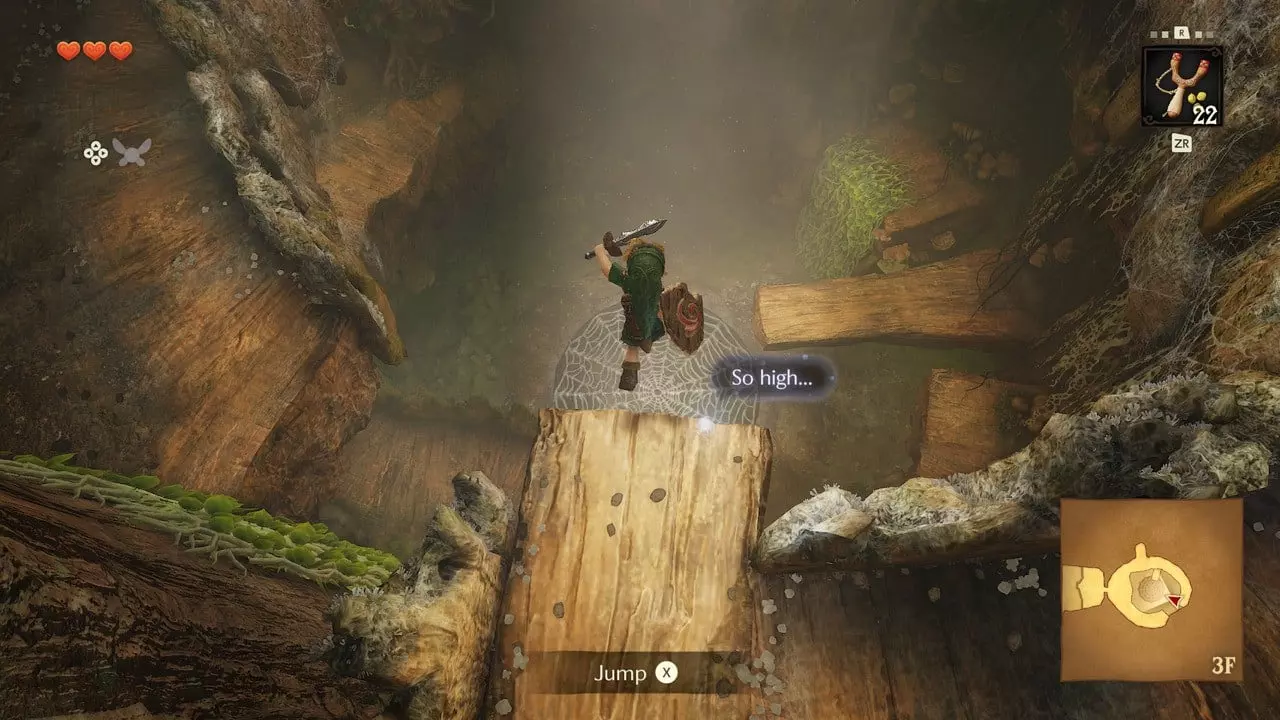
A notable update is the role of Navi. While her verbal interjections are less frequent, textual dialogue bubbles now offer insights and comments as Link navigates dungeons and the sprawling overworld. This change, though non-vocalized, appears directly on screen, sometimes interrupting the immersive visual experience. For instance, upon making the iconic leap into the Deku Tree web, a 'So high...' bubble appears, and entering Hyrule Market elicits a 'So many people...' remark from Navi. This shift aims to keep players connected to the fairy companion, but its on-screen presence in moments of grandeur may divide opinions.
Beyond Navi, the game introduces practical innovations, such as the Business Scrub Seed. This consumable item allows players to summon a Business Scrub at will, facilitating on-the-go restocking of potions and supplies within dungeons, a welcome convenience for those preparing for challenging encounters like Phantom Ganon. The Forest Temple, a fan favorite, also benefits from quality-of-life improvements, including a new lift in the block-pushing room and the removal of the time limit for assembling the Poe picture, all while maintaining its eerie ambiance through reinterpreted art and ethereal lighting.
The auditory experience remains largely faithful to the original, with iconic tracks like the eerie Forest Temple theme reproduced with real instruments, evoking strong nostalgic ties. Item acquisition jingles have also received an instrumental upgrade. Furthermore, the game leverages the Switch 2's features, allowing players to play the Ocarina using the console's microphone, adding an interactive layer to the musical elements. Voice acting for characters like Saria and the Deku Tree has been updated, with varied reception, while Link himself communicates through subtle animations and gestures, enhancing his silent yet expressive demeanor.
Exploring Hyrule Field reveals an impressive landscape overhaul. While maintaining the basic geography, the environment now boasts increased verticality, updated topography with rocks and ruins, and glowing marks from fairies hinting at secrets. The lighting, in particular, is sensational, promising spectacular HDR sunrises and providing ample opportunities for screenshots. The meticulously designed Hyrule Market, now fully 3D and navigable without loading screens between buildings, exemplifies the attention to detail throughout the game. Despite the presence of familiar elements, such as targets in the Shooting Gallery appearing in the exact 1998 pattern, the overall presentation ensures that players will uncover new visual delights at every turn.
The return of 'The Legend of Zelda: Ocarina of Time' on Switch 2 represents a significant moment for both long-time fans and a new generation of players. This preview underlines Nintendo's commitment to honoring a seminal title while infusing it with modern advancements. The visual fidelity and gameplay refinements are truly impressive, offering a fresh perspective on a familiar world. While some design choices, particularly concerning Navi's commentary, may not resonate with everyone, they are minor points in an otherwise meticulously crafted experience. The game has the potential to reignite the sense of wonder and excitement that defined its original release, proving that even a classic can be reborn with renewed vitality. It suggests that high expectations for this title are not only warranted but likely to be met, solidifying its place as a genre-defining masterpiece once more.
About the author
Jane McGonigal
Game designer and author who writes about using games to improve real life and solve problems.