Review of 'A Statement': A Compelling Ensemble Cast Elevates a Climate Change Docu-Drama
ByShonda Rhimes
Tom McCarthy's latest film, 'A Statement,' delves into the intricate and often frustrating discourse surrounding climate change through a reenactment of a pivotal 1980 conference. The movie, while heavy on dialogue, manages to captivate thanks to its exceptional ensemble cast. It meticulously portrays the initial struggles of scientists, activists, and policymakers to reach a consensus on global warming, reflecting a stalemate that, disturbingly, continues to resonate in contemporary discussions about environmental issues. The film serves as a poignant reminder of the long-standing challenges in addressing this critical global concern.
Insightful Portrayal of Early Climate Debates in 'A Statement'
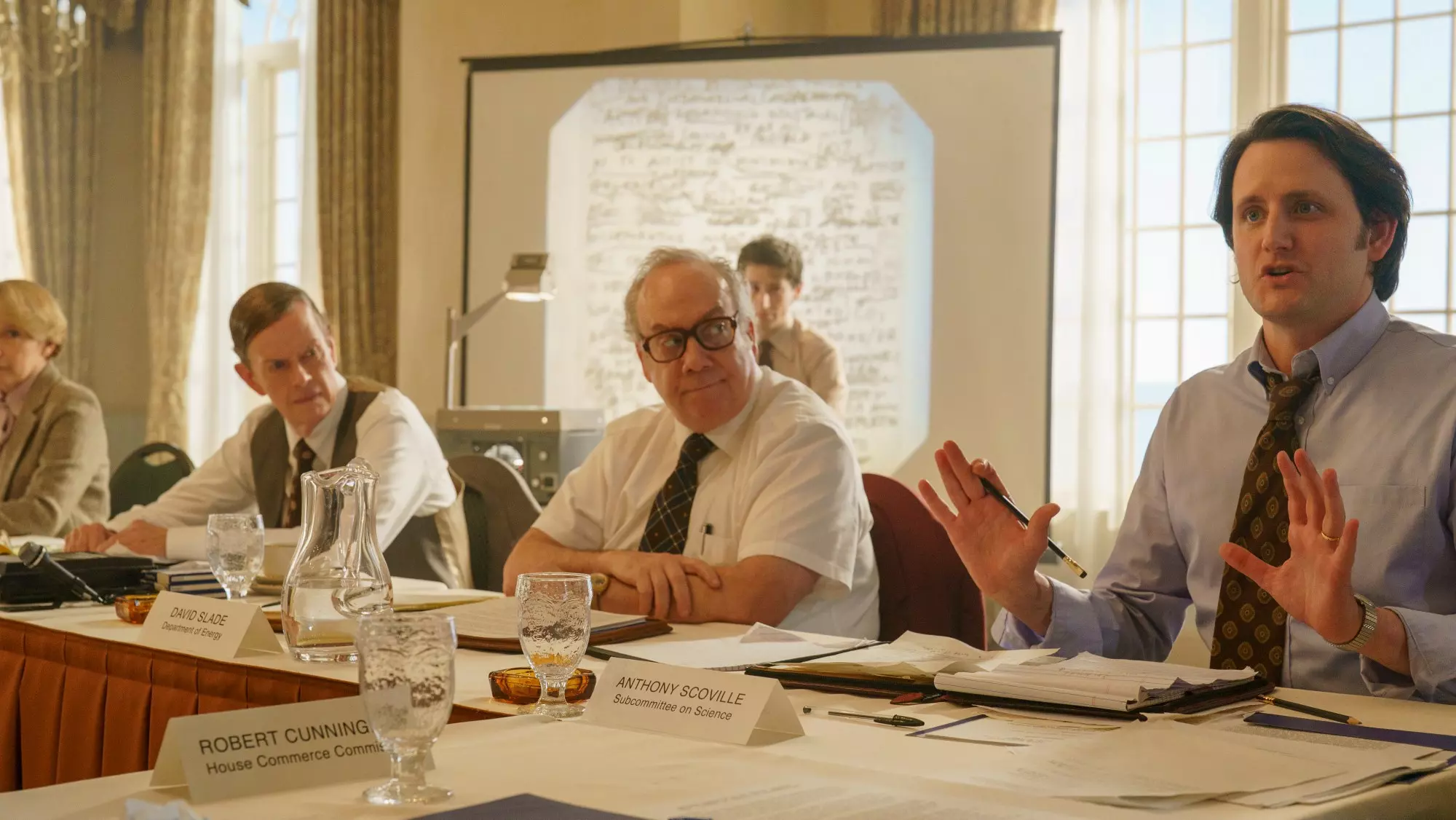
In October 2026, a compelling cinematic experience, 'A Statement,' debuted, offering a window into a significant 1980 conference held in a Florida hotel. Directed by Tom McCarthy, known for his methodical approach seen in 'Spotlight,' this film meticulously reconstructs a 36-hour gathering of approximately 20 scientists, environmental advocates, and policymakers. Their mission: to draft a unified statement on climate change. The narrative, adapted from Nathaniel Rich’s 'Losing Earth: A Recent History,' is distinguished by its use of verbatim transcripts, lending an authentic and theatrical feel to the proceedings.
Key performances drive the film’s intensity. Paul Giamatti portrays David Slade, a cynical director from the Energy Department, who challenges the urgency of climate action, highlighting America's relatively small carbon footprint compared to other continents. Paul Rudd masterfully mediates the contentious discussions as Tom Jorling, striving for a productive dialogue and a unified statement. Evan Peters embodies Rafe Pomerance, an environmental advocate whose barely suppressed anger underscores the lack of widespread alarm. John Turturro delivers moments of subtle humor as MIT nuclear engineer Dr. David Rose, cautioning against ignoring early warning signs. Jason Clarke adds a touch of flippancy as meteorologist John Perry, suggesting a century for adaptation and proposing drastic relocation plans, much to the dismay of legal scholar Edith Brown Weiss, played by Tatiana Maslany.
The film also spotlights the underrepresented voices of women in the scientific community at the time. Amy Ryan, as public health official Annemarie Crocetti, delivers a powerful plea for recognizing climate change as a human problem. Nina Arianda plays Bernadette, a stenographer whose initial professional detachment gives way to a growing awareness as she records the unfolding debates. This shift is beautifully illustrated during an unexpected interlude at a hotel wedding, where Bernadette processes the diverse viewpoints of Dr. Rose and atmospheric scientist Robert Cunningham, portrayed by Noah Robbins.
Ultimately, 'A Statement' concludes without a definitive resolution, mirroring the real-world outcome of the 1980 conference. This failure to formulate a consensus document serves as a sobering reflection on the ongoing struggle against global warming. The film’s nuanced cinematography by Stuart Dryburgh and Bryce Dessner’s evocative score further enhance its contemplative mood, making it a powerful commentary on the enduring complexities of the climate crisis.
This film is a profound reminder that the discourse around climate change, even decades ago, was fraught with the same complexities and resistance we observe today. It underscores the critical need for collaborative action and a shared understanding of the problem, rather than succumbing to political divisions or scientific skepticism. 'A Statement' encourages viewers to reflect on how far we've come—or haven't—in addressing one of humanity's most pressing challenges, and inspires continued dialogue and engagement.
About the author
Shonda Rhimes
Prolific television creator ("Grey's Anatomy," "Scandal") and author on creativity and empowerment.