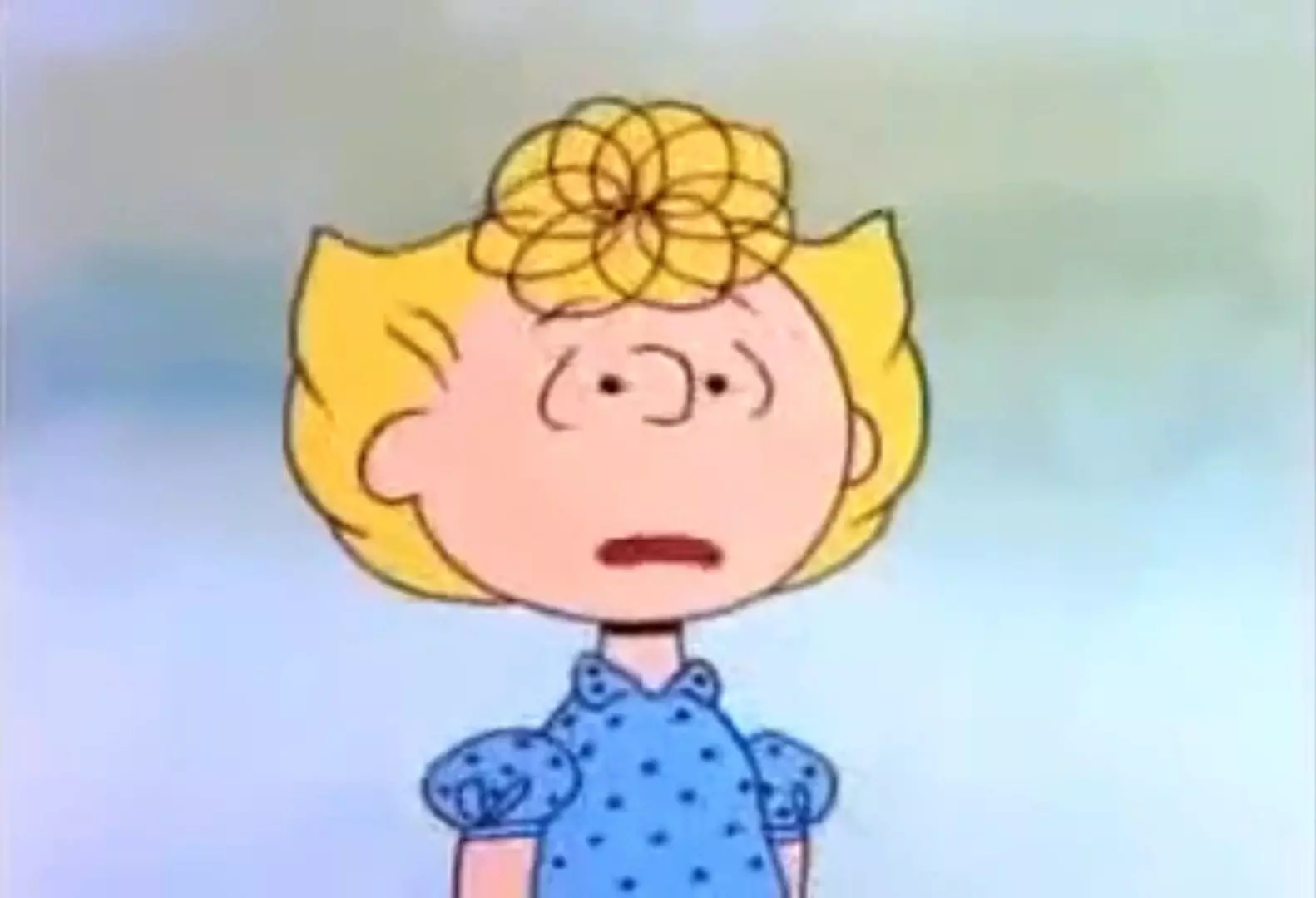
This analysis delves into the unique portrayal of Sally Brown within Charles Schulz's iconic comic strip, 'Peanuts,' focusing on her distinct perspective on education. While her brother, Charlie Brown, is famously characterized by his persistent misfortunes and a somewhat resigned acceptance of life's challenges, Sally carves out her own niche with a marked disdain for formal schooling. This article illuminates how her character, through moments of resistance and surprising insights, provides a relatable representation for those who found academia less than appealing, all while offering valuable life lessons that resonate even today.
Charlie Brown's consistent ill-fortune is a cornerstone of the 'Peanuts' universe. Over nearly five decades, despite facing countless setbacks, he rarely expresses anger. His demeanor is one of weary acceptance, bordering on a Zen-like calm, leaving it to characters like Lucy or Linus to vent their frustrations. However, Charlie's younger sister, Sally Brown, also takes her turn in confronting the inherent inequities of childhood experiences. Modern discussions of 'Peanuts' often remember Sally for her innocent, yet impactful, interactions with Charlie Brown or her unrequited affection for Linus. Yet, a deeper examination reveals her notable, often contentious, relationship with scholastic endeavors.
Sally stands out as the reluctant scholar of the 'Peanuts' ensemble. Unlike most of her peers who seemed to accept their studies, Sally actively resented the academic burden. For any child who sought creative ways to circumvent public schooling, Sally served as their voice in the comic. This isn't to say Sally is entirely opposed to learning. On occasion, she surprises everyone by spouting profound, almost graduate-level Biblical interpretations, rivaling Linus's own intellectual musings.
Among Sally's most memorable lines, 'Happiness is your own library card,' from an April 26, 1963, strip, remains a timeless classic. This quote is so widely recognized that it has been featured on school walls and in literacy campaigns, solidifying its place as one of her most celebrated statements throughout the comic's history. Beyond this well-known gem, another strip offers a surprisingly prescient moral, particularly relevant for the digital age, a relevance Charles Schulz could not have foreseen.
Sally Brown is renowned in the realm of comics for being one of the greatest struggling students. Throughout her appearances, her legendary attempts to dodge schoolwork through bluffs, minor deceptions, and clever turns of phrase are well-documented, though perhaps not as sharp as Calvin's antics. A strip from June 11, 1978, illustrates a valuable lesson, even if Sally is initially in the wrong. When she begins a letter with 'Deer,' Charlie Brown tries to correct her. However, Sally continues by writing the opening sentence of what appears to be a term paper about deer. As Charlie Brown retreats, Sally loudly proclaims, 'It seems to me that a lot of the problems in this world are caused by people who criticize other people before they know what they're talking about!' Yet, once he's gone, Sally restarts the letter, addressing it to 'Dear Grandma,' just as Charlie Brown had suggested. This humorous exchange serves as a potent reminder: in the age of social media, it's all too easy to jump into discussions without fully understanding the context. Sally's example, despite her initial error, subtly advises caution and thorough understanding before contributing to online conversations.
About the author
Roberta Williams
Pioneer of graphic adventure games, co-founder of Sierra On-Line, and creator of "King's Quest."