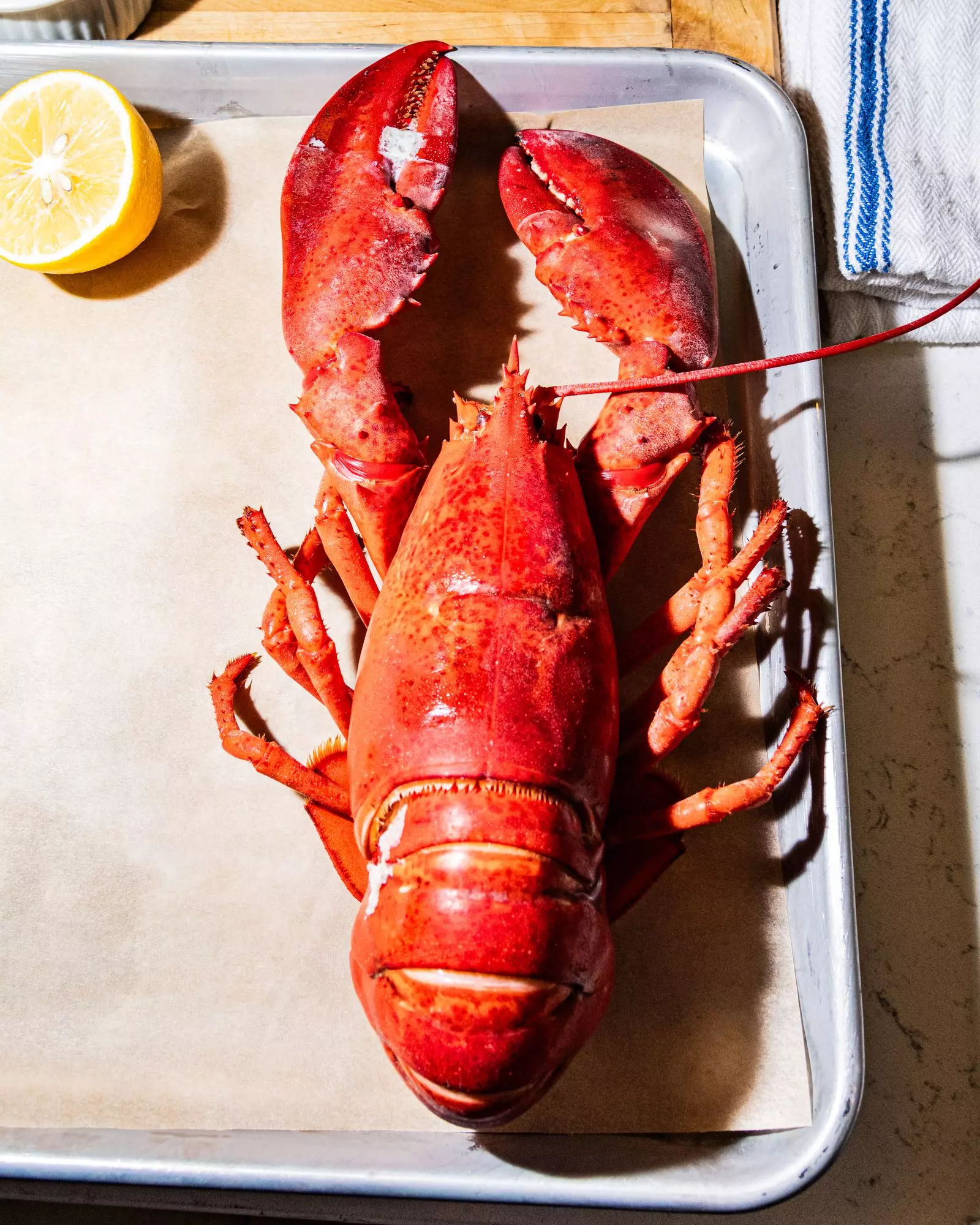
A recent culinary event brought the authentic flavors of Maine to food enthusiasts through interactive demonstrations and expert talks. Participants gained first-hand experience preparing seafood delicacies, including a rich lobster spread paired with fresh oysters harvested from crisp coastal waters. Experts explained how local bivalve cultivation actively purifies marine ecosystems while supporting regional economic resilience. The program also highlighted the historical significance and ecological resilience of wild blueberries, which have thrived since ancient glacial eras. Regional tourism advocates emphasized that environmental conservation and close-knit community relationships remain core to the state's culinary identity.
Coastal Traditions and Sustainable Gastronomy Take Center Stage in Live Demonstrations
During a vibrant gathering celebrating regional gastronomy, participants immersed themselves in Maine's legendary seafood and agricultural traditions. Attendees took part in an interactive workshop where they processed steamed two-pound lobsters into a velvety spread suitable for festive entertaining, accompanied by tastings of pristine bivalves nurtured in cold estuarine currents. Local shellfishery founders described how three years of careful cultivation produce distinctively textured shellfish while simultaneously filtering dozens of gallons of ocean water daily, proving that thoughtful consumption actively supports marine habitats.
The culinary journey continued in the demonstration kitchen, where chefs created cornmeal shortcakes topped with rich berry compote. Agricultural stewards shared how native wild fruit, nurtured by specialized soil fungi since the retreat of ancient glaciers, remains a cornerstone of regional nutrition and heritage. Facing modern trade and economic shifts, family farms have innovated by developing value-added goods, launching artisanal distilleries, and hosting educational farm visits to connect consumers directly with agricultural origins. State tourism leadership reinforced that Maine's dining appeal rests upon decades of farm-to-table practices, where deep respect for natural resources shapes a uniquely authentic food culture.
This event offers a compelling perspective on how modern culinary tourism can transcend mere consumption to become a driver of ecological awareness. By connecting consumer palates directly with the environmental labor of shellfish farmers and blueberry growers, food events can foster genuine appreciation for environmental stewardship. When consumers recognize that every oyster eaten and every wild berry enjoyed supports living ecosystems and hardworking communities, dining transforms into an intentional act of environmental and cultural preservation.
About the author
Nigella Lawson
Food writer and TV presenter known for her evocative writing and indulgent, comforting recipes.