The Short Reign of 'Reality Fracture' in Magic: The Gathering and the Looming 'Star Trek' Invasion
ByKim Swift
In the dynamic world of Magic: The Gathering, where new sets are introduced with increasing frequency, the critically acclaimed 'Reality Fracture' is making a swift exit, paving the way for the highly anticipated 'Star Trek' Universes Beyond expansion. This rapid transition highlights a growing sentiment among players: a phenomenon termed 'Magic fatigue,' fueled by the continuous stream of new content and the abbreviated lifespan of popular sets. While 'Reality Fracture' offered a unique blend of compelling storytelling and engaging mechanics, its brief six-week prominence before 'Star Trek' takes center stage underscores a significant shift in the game's release strategy, sparking debate within the community regarding content saturation and player experience. However, there's a glimmer of hope for fans, as 'Magic Arena' plans to extend the availability of 'Reality Fracture' for a longer duration, acknowledging its well-received gameplay.
'Reality Fracture' Yields to 'Star Trek' Amidst Player Concerns
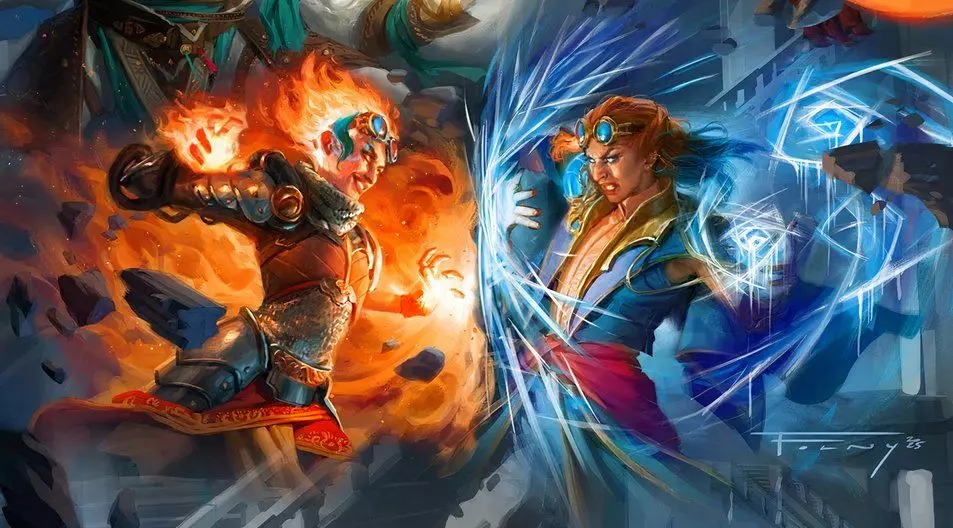
The year 2026 has been marked by a relentless pace of new releases for Magic: The Gathering. Among them, the 'Reality Fracture' set, launched on October 2nd with prerelease events commencing on September 25th, quickly garnered acclaim. It impressively concluded a long-standing narrative arc, albeit with some narrative dissatisfaction for fans, and notably featured the demise of the iconic planeswalker, Jace Beleren. Particularly praised within the Limited format, 'Reality Fracture' masterfully translated its lore into inventive gameplay mechanics, exemplified by the 'Empower Jace' feature and the diverse Hexhaven schools offering engaging archetypes. Yet, despite its success and positive reception, its tenure is abruptly drawing to a close after a mere six weeks.
Local game stores and Magic Arena are preparing to transition to the 'Star Trek' Universes Beyond set, scheduled for release on November 13th, with prerelease events beginning on November 6th. This upcoming set promises a departure from traditional Magic aesthetics, introducing spaceships and Starfleet characters, and is slated to remain in play for a more extended period of twelve weeks. The swift replacement of 'Reality Fracture' by 'Star Trek' reignites ongoing discussions within the Magic community, particularly concerning the 'Universes Beyond' series. Many players express unease about these crossovers diverging too significantly from the established Magic lore and visual identity. Following a set deeply rooted in Magic's history like 'Reality Fracture' with a sci-fi themed expansion featuring real actors on cards is perceived by some as further exacerbating these concerns.
Interestingly, despite the physical game's rapid shift, Wizards of the Coast has announced that 'Reality Fracture' will maintain a presence on 'Magic Arena' for an extended period, at least as a Premier Draft event. This decision suggests a responsiveness from the 'Arena' team to player feedback, indicating a potential future where well-received formats might enjoy a longer lifespan in the digital realm.
The Weight of Constant Innovation: Addressing 'Magic Fatigue'
The accelerated release schedule and the quick succession of sets, as exemplified by the brief run of 'Reality Fracture,' have brought the concept of 'Magic fatigue' to the forefront of player discussions. While game designer Mark Rosewater suggests that only a small minority of players actively track every new card, an earlier stance from 2008 emphasized limiting new card releases to lower the barrier to entry and alleviate the burden on even seasoned players. Although nearly two decades have passed since that earlier assertion, the current climate, characterized by a massive influx of new cards and the proliferation of 'Universes Beyond' products, has undoubtedly created a sense of overwhelming content for a segment of the player base. The sentiment is clear: 'Reality Fracture' was a remarkable set, and its fleeting moment in the spotlight is a poignant reflection of the evolving landscape of Magic: The Gathering. This constant push for novelty, while driving engagement, also risks alienating players who yearn for a more sustained engagement with exceptionally crafted sets.
About the author
Kim Swift
Video game designer known for pioneering work on "Portal," focusing on innovative puzzle mechanics.