The Smart #2: A Compact Electric Car Reimagines Urban Mobility
ByAkira Maruta
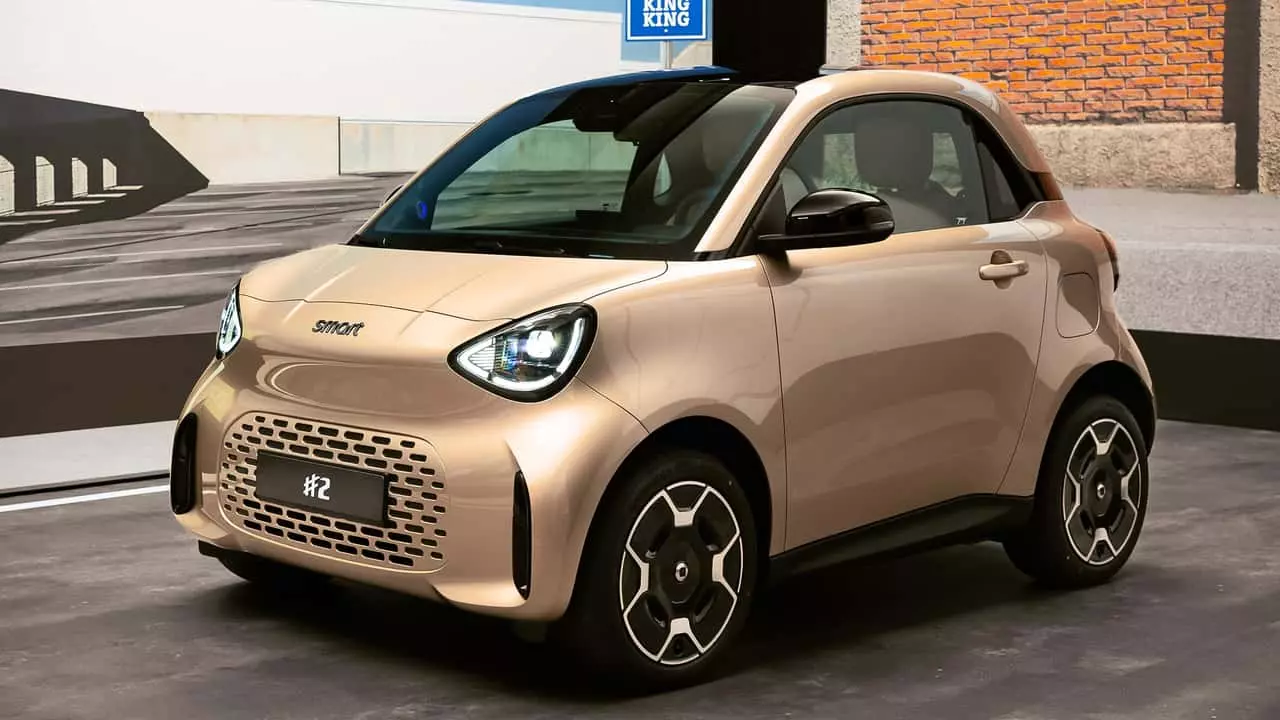
The Smart #2 has made its grand entrance, presenting a compelling vision for urban transportation in an era dominated by large vehicles. This electric two-seater is a tribute to the original Smart's ethos, offering a compact and agile solution perfectly suited for bustling city environments.
Reinventing Urban Travel: The Smart #2's Vision
A Return to Compact Roots: Smart #2's Design Philosophy
In a world where automobiles are constantly increasing in size and weight, the introduction of the Smart #2 at the 2026 Paris Motor Show marks a significant shift. This electric two-seater revives the essence of the original Smart, emphasizing compactness and efficiency over bulk. It stands as a refreshing alternative to the prevailing trend of oversized SUVs, offering a vehicle genuinely designed for urban living.
Engineered for the City: Dimensions and Maneuverability
Thirty years after its initial concept, Smart is re-embracing its founding principles. The Smart #2 measures a mere 2,746 millimeters (108.1 inches) in length, making it an exceptionally small electric car. Its design prioritizes navigating congested city streets and tight parking spaces. Even the more luxurious Couture Edition, at 2,764 mm (108.8 inches), remains remarkably compact. The vehicle's impressive 6.95-meter (22.8 feet) turning circle ensures effortless maneuvering in urban environments, alleviating the common frustrations associated with larger vehicles in tight spots.
Familiar Aesthetics, Innovative Core: Design and Platform
Designed by Mercedes, the Smart #2 maintains a distinctive two-tone exterior and the iconic split tailgate, reminiscent of its predecessors. The vehicle incorporates an enhanced Tridion safety cell, now known as the Tridion Cell Evo, ensuring modern safety standards are met within its compact frame. At its heart lies an entirely new Electric Compact Architecture (ECA) platform, developed specifically for the #2. Power is delivered by a rear-mounted electric motor generating 80 horsepower and 130 Newton-meters (96 pound-feet) of torque, channeled to the rear wheels via a single-speed transmission. This setup allows for an 11.6-second acceleration to 62 mph (100 km/h) and a top speed of 87 mph (140 km/h), figures perfectly adequate for urban commuting.
Lightweight Efficiency and Advanced Battery Technology
Performance in the Smart #2 is not about raw speed but rather efficiency and practicality. Weighing in at a mere 1,140 kilograms (2,513 pounds), it is exceptionally light for an electric vehicle. A five-link rear suspension, a first for its segment, contributes to improved handling, while the low-mounted 35.8-kWh lithium iron phosphate (LFP) battery ensures a low center of gravity. This battery provides a WLTP range of up to 180 miles (290 kilometers) with an energy consumption rate of 13.6 kWh/100 km (3.0 mi/kWh). Fast charging capabilities allow for a 10 to 80 percent charge in just 20 minutes with 65 kW DC charging, while AC charging takes three hours with an 11-kW setup (the entry-level Pure model uses a 7.4-kW onboard charger). Additionally, the Smart #2 supports vehicle-to-load functionality, allowing it to power external devices, adding a layer of utility for city life.
Thoughtful Interior Design and Comprehensive Safety Features
Despite its small exterior, the Smart #2's interior is thoughtfully designed to blend compactness with modern comfort. It features a 10.1-inch central touchscreen, an 8.8-inch driver display, and a unique dashboard-mounted Smart Pillar for accessory attachment. All models come with bench-style seating and an open, airy cockpit. Cargo space is surprisingly generous, with 305 liters (10.8 cubic feet) in the trunk, expandable to 527 liters (18.6 cubic feet), and a convenient split tailgate with independently opening glass. Safety is also a priority, with seven airbags and advanced driver-assistance systems including adaptive cruise control with Stop & Go, lane-keeping assistance, blind-spot detection, traffic-sign recognition, highway assistance, and parking sensors with a rear camera. The European lineup includes Pure, Pure+, and Premium versions, alongside a limited Couture Edition with exclusive features like heated seats, a glass roof, 16-inch gold-accented wheels, 256-color ambient lighting, a Sennheiser sound system, and a unique numbered badge.
The Future of Urban Commuting: Small Car, Big Impact
The Smart #2 challenges the automotive industry's current focus on larger vehicles, offering a compelling argument for the efficacy of small cars in urban environments. It addresses critical issues such as city congestion and limited parking, demonstrating that a car doesn't need to be massive to be highly functional. While it may not replace an SUV for family needs or long-distance travel, it excels as an urban electric vehicle, reaffirming the vital role of compact cars in a world increasingly burdened by size. Built in China as part of a joint venture between Mercedes and Geely, the Smart #2 is set to launch in Europe in the first half of next year, with pre-orders starting at just under €20,000, signaling a promising future for compact electric mobility.
About the author
Akira Maruta
Fictional representative of journalists deeply knowledgeable about JDM (Japanese Domestic Market) tuning and technology.