Spring 2027 Fashion Collections: Embracing Reality, Joy, and Imperfection
ByAnna Wintour
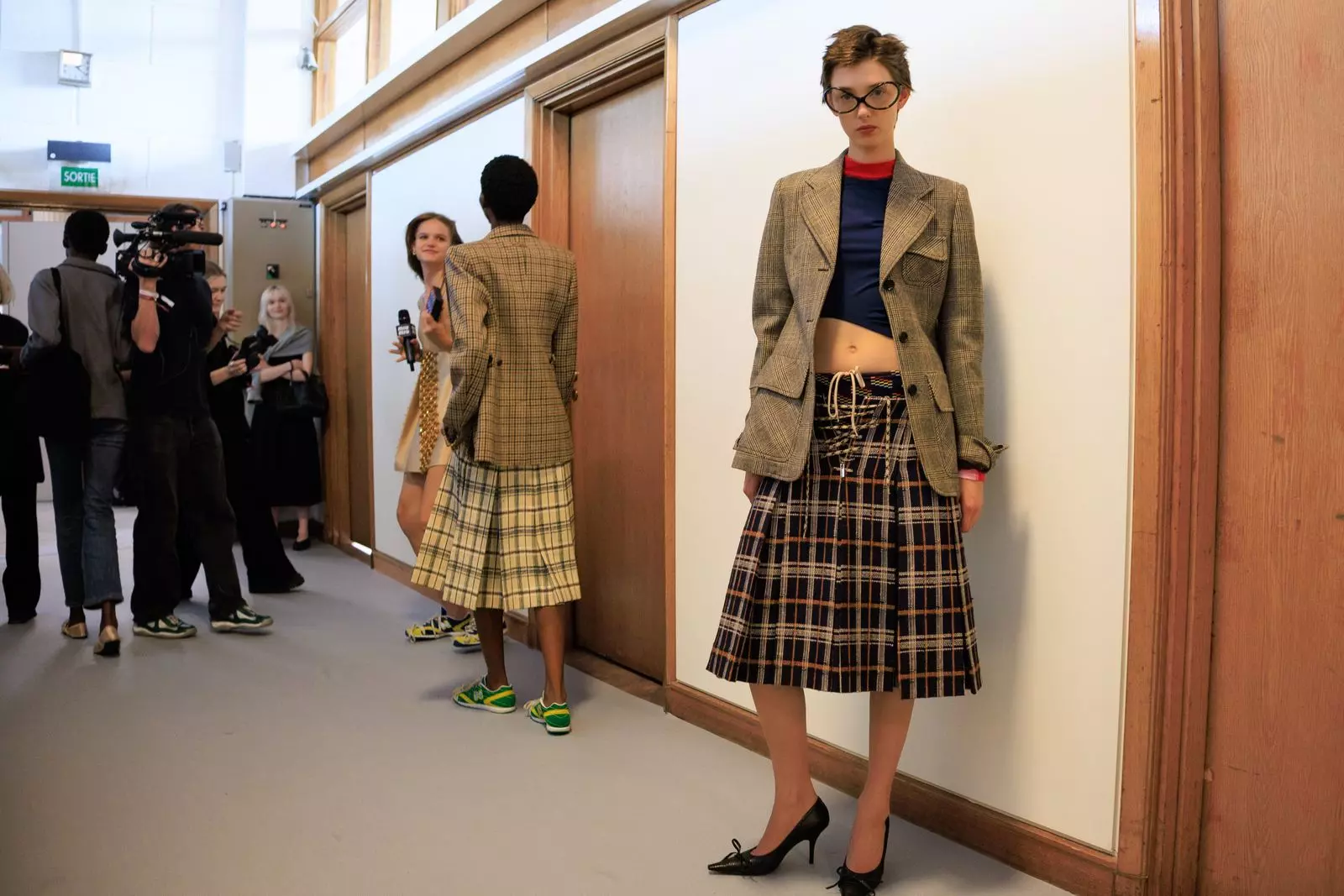
The Spring 2027 fashion showcases, held across key global fashion hubs including Tokyo, Copenhagen, New York, London, Milan, and Paris, reveal a compelling evolution in design philosophy. Reviews from the Vogue Runway team highlight five dominant themes: a return to practicality, a celebration of joy, an embrace of wabi-sabi aesthetics, a pursuit of lightness, and a resurgence of glamour. This season sees designers prioritizing wearable fashion that resonates with everyday life, moving away from purely fantastical concepts, and instead, embedding beauty and creativity within more accessible and uplifting designs.
Spring 2027 Collections: A Detailed Look at Emerging Trends and Designer Perspectives
Across the dynamic fashion landscape of Spring 2027, designers from Tokyo to Paris presented collections that collectively underscored a return to fundamental values in clothing, blended with innovative artistic expressions. This season was defined by a strong emphasis on practicality, optimism, and a nuanced appreciation for the imperfect.
Realism: Grounding Fashion in the Everyday
A prevalent sentiment among designers for Spring 2027 was the embrace of realism. Miuccia Prada of Miu Miu articulated a desire to create for “people now,” focusing on designs that are relevant to contemporary life. Echoing this, Loris Messina and Simone Rizzo of Moschino stated that the current climate calls for “fashion realism,” not mere fantasy. Jack McCollough and Lazaro Hernandez of Loewe emphasized the integration of their creative universe into wearable garments, questioning how to bring their designs into a “real” conversation. Viviano Sue from Tokyo reiterated this, asserting that “fashion is supposed to be something people can wear, no matter how crazy it is.” Glenn Martens of Maison Margiela navigated the balance between strong concepts and wearability, aiming for designs that are conceptual yet “without being scary.” Mowalola Ogunlesi of Mowalola highlighted her personal evolution, focusing on creating clothes that reflect what women truly want to wear, celebrating the human form. Keisuke Yoshida of Keisukeyoshida expressed a wish to make high fashion more accessible, sharing its richness with the next generation.
Joy: Infusing Positivity into Design
In response to global challenges, many designers imbued their collections with a sense of joy and optimism. Matthieu Blazy of Chanel championed the idea of fashion as a “remedy to the dark time,” offering beauty and poetic expression. Patricio Campillo of Campillo sought to capture moments of happiness, transforming them into enduring objects and ideas. Duran Lantink, working with Jean Paul Gaultier, acknowledged the serious work of fashion while advocating for humor and fun in the creative process. Alejandro Gómez Palomo of Palomo Spain envisioned an “ideal society” where everyone is glamorous and welcomed, translating this vision into his designs.
Wabi-sabi: Celebrating Imperfection and Spontaneity
The aesthetic of wabi-sabi—finding beauty in imperfection—was a significant undercurrent. Michael Rider of Celine expressed his attraction to “accidental, spontaneous styling,” valuing real clothes worn authentically. Matt Empringham of A Letter appreciated the beauty of non-factory-made looks, intentionally leaving in “strange imperfections.” Aaron Esh succinctly stated, “Things don’t need to match. They need to attract.” Daniel Lee of Burberry favored things that feel “cool, youthful,” and imperfect. Stuart Vevers of Coach found inspiration in the fluidity of memory, recognizing its non-fixed nature. Kozaburo Akasaka of Kozaburo highlighted the tension between sensitivity and brutality, adding value by emphasizing the history of something broken. Zane Li of Lii explored the interesting tension of being a young Chinese designer creating for women, embracing unconventionality. Rachel Scott of Proenza Schouler drew inspiration from the liberty of New York women’s dressing, where eveningwear transcends traditional boundaries. Sarah Staudinger of Staud described her collection as a blend of contrasts, reflecting how women genuinely dress. Uma Wang challenged traditional cutting methods, embracing mistakes and unexpected directions in her prototyping process.
Lightness: Crafting Airy and Effortless Silhouettes
A desire for lightness, both literally and figuratively, permeated many collections. Jonathan Anderson for Christian Dior aimed to “remove the heaviness of heritage,” seeking solutions that oppose traditional constraints. Nadège Vanhée of Hermès explored the “simple notion of air,” creating perceptible and imperceptible lightness in her garments. Simon Porte Jacquemus of Jacquemus returned to light and colorful themes, drawing inspiration from his children and the desire for ease. Nicolas Ghesquière of Louis Vuitton pursued a sensation of “simplicity and purity,” meticulously crafting extremely light constructions. Lizzie Owens of 6397 focused on practical solutions for intense weather while maintaining a chic aesthetic, suitable for the busy working woman. Hillary Taymour of Collina Strada embraced “delicateness,” presenting a fresh, almost overwhelming sense of softness.
Glamour: Reimagining Dazzle and Allure
Glamour, reimagined for the modern era, also made a strong statement. Rei Kawakubo of Comme des Garçons merged “royal life and real life,” offering a unique vision of elegance. Julian Klausner for Dries Van Noten acknowledged the universal desire to feel glamorous and star-like. Meryll Rogge of Marni described her work as “sexy, but absolutely not sexy,” playing with conventional notions of allure. Richard Quinn revived “hyper-glamour” reminiscent of the 1980s. Caroline Bille Brahe of Caro Editions envisioned models shining like “big glitter balls,” while Tory Burch aimed for opulent femininity balanced with utilitarian and sportswear elements, offering an escape and healing through fashion.
The Spring 2027 collections collectively paint a picture of a fashion world that is deeply connected to reality, yet endlessly imaginative. Designers are not just creating clothes; they are crafting narratives of resilience, joy, and individual expression. This season’s trends suggest a move towards a more inclusive and thoughtful approach to style, inviting wearers to find beauty in comfort, spontaneity, and a touch of the unconventional, all while maintaining a sense of luxurious elegance.
About the author
Anna Wintour
Legendary editor-in-chief of Vogue and global fashion authority.