Star Wars' Future: Balancing Fan Expectations and Creative Risks
ByRoberta Williams
Lucasfilm's guiding principle for the Star Wars saga, as outlined by Dave Filoni, centers on harmonizing the varied segments of its expansive fanbase. This vision, which seeks to cater to enthusiasts of the original, prequel, sequel, and animated series, alongside the expanded universe, aims to foster a collective appreciation for the iconic franchise. Yet, this ambition to satisfy all stakeholders has sparked debate, with critics suggesting it could lead to a cautious, risk-averse creative direction. The recent announcement of a new trilogy, delving deeper into the Skywalker narrative, has amplified these concerns, prompting discussions about whether the franchise is prioritizing broad appeal over innovative storytelling. This approach, while potentially unifying the existing audience, also risks alienating those yearning for fresh perspectives and unexplored corners of the galaxy.
The creative direction of Star Wars under Dave Filoni's stewardship is steadily taking shape, reflecting his stated commitment to satisfying the diverse segments of the fanbase. However, this strategy, particularly with the revelation of a new film trilogy focusing on the Skywalker saga, has elicited a range of responses from the audience. While some fans welcome a return to familiar narratives and characters, others express apprehension, perceiving it as a retreat into safe territory rather than an exploration of new frontiers within the vast Star Wars universe. This balancing act between honoring established lore and venturing into uncharted narrative spaces forms the core of the ongoing discussion surrounding the franchise's future. The choice of directors and writers for these upcoming projects further underscores this cautious approach, raising questions about whether Lucasfilm is truly embracing daring creative vision or prioritizing established comfort zones to maintain widespread appeal.
The Skywalker Saga's Enduring Gravitational Pull
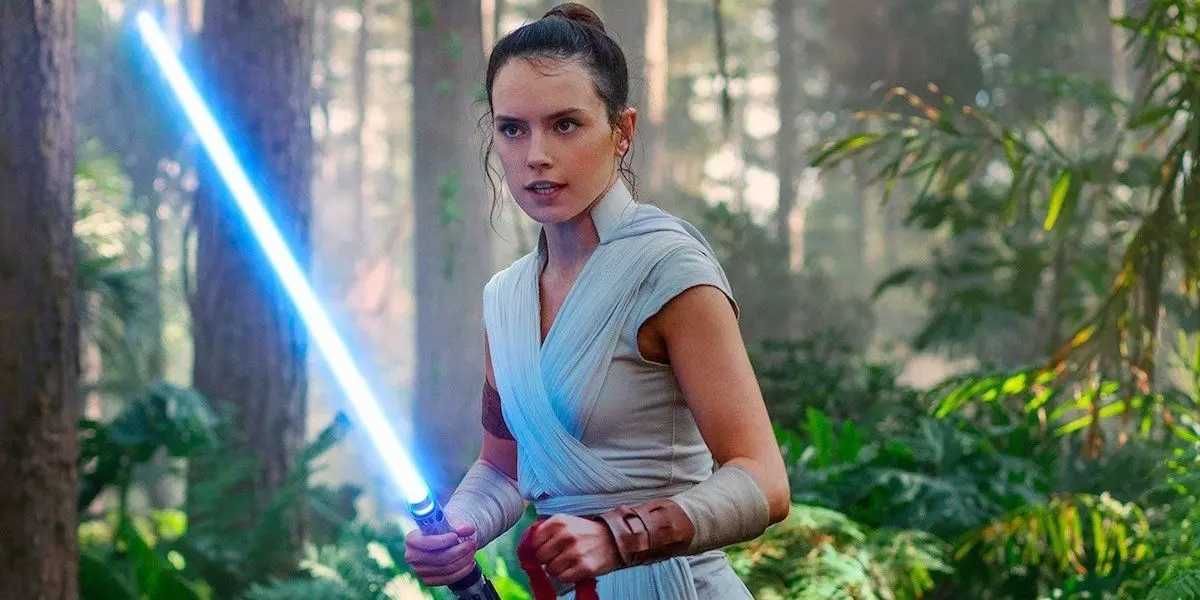
Lucasfilm's decision to greenlight a new Star Wars trilogy, reportedly kicking off with "Episode X" and once again centered on the Skywalker legacy, has sparked considerable debate among the franchise's dedicated fanbase. This move, spearheaded by Dave Filoni, signals a clear intent to revisit the familiar and beloved narrative threads that have defined Star Wars for decades. While the comfort of continuing the Skywalker storyline offers a sense of continuity and appeal to long-standing fans, it simultaneously raises questions about the franchise's willingness to push creative boundaries and explore narratives beyond its foundational saga. The choice of filmmakers, while competent, also suggests a preference for a more conventional approach, further reinforcing the perception that Lucasfilm is playing it safe rather than embracing bold, unconventional storytelling.
The announcement of a new trilogy, with Jon Watts directing and Simon Kinberg penning the scripts, has intensified concerns among some Star Wars devotees who fear the franchise is too reliant on the Skywalker narrative. While Watts's prior work on big-budget intellectual properties and his contribution to "Skeleton Crew" demonstrate his capacity for engaging storytelling, Kinberg's involvement, given his past work on the X-Men franchise, has been met with more skepticism regarding his ability to deliver a groundbreaking epic. The critical reception of previous Star Wars entries, particularly the divisive reactions to "The Last Jedi," has undeniably influenced Lucasfilm's current strategy. The perceived backlash against more daring creative choices appears to have prompted a pivot towards a more conservative path, ensuring a connection to established characters and storylines that resonate with a broader audience, albeit at the potential cost of narrative innovation and fresh perspectives. This strategy, while commercially sound, risks stifling the creative evolution that many fans desire.
Navigating Fan Expectations and Creative Evolution
The reception of recent Star Wars cinematic endeavors, most notably Rian Johnson's "The Last Jedi," has profoundly impacted Lucasfilm's creative decisions. The film, lauded by critics but sharply divided the fanbase, highlighted the immense pressure on the franchise to balance innovation with preserving cherished lore. This polarized reaction, characterized by intense online discourse, has seemingly pushed Lucasfilm toward a more cautious approach, as evidenced by the announced Skywalker-centric trilogy. The perceived need to appease a diverse and vocal fanbase, many of whom reacted negatively to departures from established norms, now dictates a trajectory that prioritizes familiarity and a return to the saga's roots, potentially stifling the bold narrative experiments seen in some of its television counterparts.
The controversy surrounding "The Last Jedi," which saw a stark divergence between critical acclaim and audience sentiment, served as a potent lesson for Lucasfilm regarding the perils of venturing too far from fan expectations. The subsequent film, "The Rise of Skywalker," appeared to be a direct response to this backlash, attempting to course-correct in ways that ultimately led to its own set of narrative challenges, such as the contentious return of Emperor Palpatine. In this climate, Dave Filoni's strategy for the new trilogy, which appears to directly address the aftermath of the sequel era, is interpreted by some as an attempt to mend past divisions. While this approach might satisfy fans eager for a coherent resolution to the existing saga, it simultaneously disappoints those who advocate for Lucasfilm to explore new periods and characters within the expansive Star Wars universe. Ultimately, the decision to maintain a focus on recognizable elements reflects a commercial imperative to ensure box office success, underscoring the delicate balance between creative ambition and the formidable expectations of a global fanbase.
About the author
Roberta Williams
Pioneer of graphic adventure games, co-founder of Sierra On-Line, and creator of "King's Quest."