The Surprising Success of 'Coyote vs. Acme' Challenges Warner Bros.' Strategy
ByStephen King
This article explores the unexpected box office triumph of the film "Coyote vs. Acme" and its implications for Warner Bros. Discovery's strategic decisions, particularly those made by its CEO, David Zaslav. The narrative highlights the film's journey from being discarded for tax benefits to achieving significant global revenue after an independent distributor acquired it. The piece delves into the debate surrounding the wisdom of Warner Bros.' initial decision and examines the broader context of the studio's performance and approach to established intellectual properties.
A Second Chance for a Cartoon Classic: The Unforeseen Box Office Hit
From Tax Write-Off to Box Office Hit: The "Coyote vs. Acme" Story
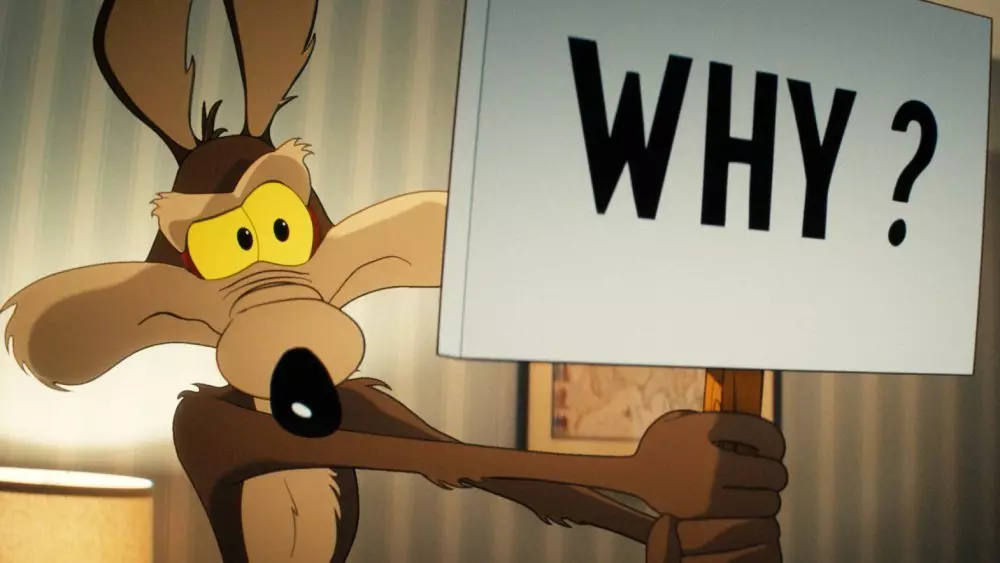
Three years ago, "Coyote vs. Acme," a live-action animation hybrid featuring beloved Looney Tunes characters, was controversially shelved by Warner Bros. Discovery. CEO David Zaslav opted to use the film as a tax write-off, dismissing its theatrical release potential. However, indie distributor Ketchup Entertainment acquired the rights for $50 million, and against all odds, the movie has now surpassed $100 million in global earnings, sparking a significant debate about Warner Bros.' original judgment.
The Financial Divide: Warner Bros.' Loss vs. Ketchup Entertainment's Gain
While "Coyote vs. Acme" represents a triumph for Ketchup Entertainment, whose investment in distribution rights and pre-sold foreign territories paid off handsomely, the situation for Warner Bros. is more complex. The film's production cost was $70 million, and considering that theaters retain a substantial portion of ticket sales, the profits for Warner Bros. might not have been as significant. The studio's decision to write off the film for $30 million highlights a clear divergence in financial perspectives.
Fan Support and Critical Acclaim: Fueling the Film's Momentum
Industry analysts suggest that the film's impressive performance was partly fueled by a strong rally from fans, keen to prove Warner Bros.' decision-makers wrong. Critically, the movie garnered positive reviews and strong word-of-mouth, translating into robust ticket sales. Its domestic earnings reached nearly $60 million, with an additional $45 million internationally, reaffirming the commercial viability of well-known, PG-rated intellectual properties, especially in a market craving family-friendly content.
Warner Bros.' Struggles and the Value of Established Franchises
The unexpected success of "Coyote vs. Acme" casts a harsh light on Warner Bros.' 2026 box office struggles, which saw a series of other high-profile projects, such as "Digger," "The Bride!," and "Supergirl," underperform. Experts point out that the "Coyote vs. Acme" brand carried significant legacy value. All-audience films are known for their strong earning potential, and the film's performance underscores the inherent value in recognizable franchises, which studios often rely on to offset the risks of original productions.
The Consequences of Controversial Business Decisions
Beyond the financial aspects, the decision to shelf "Coyote vs. Acme" generated considerable negative press for David Zaslav. This controversy further alienated the film community, which had already been unsettled by previous strategic choices made by the studio's former chief. Despite internal objections from various Warner Bros. employees, the final decision to relegate the film to a tax write-off was reportedly driven by accountants rather than creative considerations, raising questions about the studio's priorities and its understanding of valuable entertainment assets.
A Pattern of Shelved Projects and Missed Opportunities
"Coyote vs. Acme" was not an isolated incident but the third project to be shelved under Zaslav's post-pandemic cost-cutting initiatives. Preceded by the $90 million DC film "Batgirl" and the family-oriented "Scoob! Holiday Haunt," these decisions primarily aimed at tax benefits. All three films were initially greenlit by Zaslav's predecessor, Jason Kilar. Zaslav publicly stated a shift towards theatrical priorities, but industry observers continue to question whether he fully appreciated the catalog's enduring value, particularly given that these shelved projects were based on established, well-known brands designed to generate reliable profits.
About the author
Stephen King
Prolific author of horror and suspense, who also writes extensively on the craft of writing and pop culture.