Taro Horiuchi on Kolor's Landmark Zara Collaboration and Shaping Fashion's Future
ByAndré Leon Talley
In an insightful conversation, Taro Horiuchi, the creative force behind Japanese label Kolor, offered a comprehensive look into the brand's significant partnership with global retail giant Zara. This collaboration marks Kolor's inaugural worldwide venture since Horiuchi assumed the creative director role in 2025, taking the reins from founder Junichi Abe. The collection, which will encompass apparel for women, men, and children, represents a unique fusion of Kolor's avant-garde approach to reimagining foundational garments and Zara's vast manufacturing capabilities and market reach. Horiuchi also reflected on the inherent challenges and inspirations of translating a niche design philosophy to a broader audience, the complexities of upholding a brand's legacy while forging a new creative path, and his critical perspectives on the rapidly shifting landscape of the contemporary fashion industry, particularly concerning talent development and accessibility.
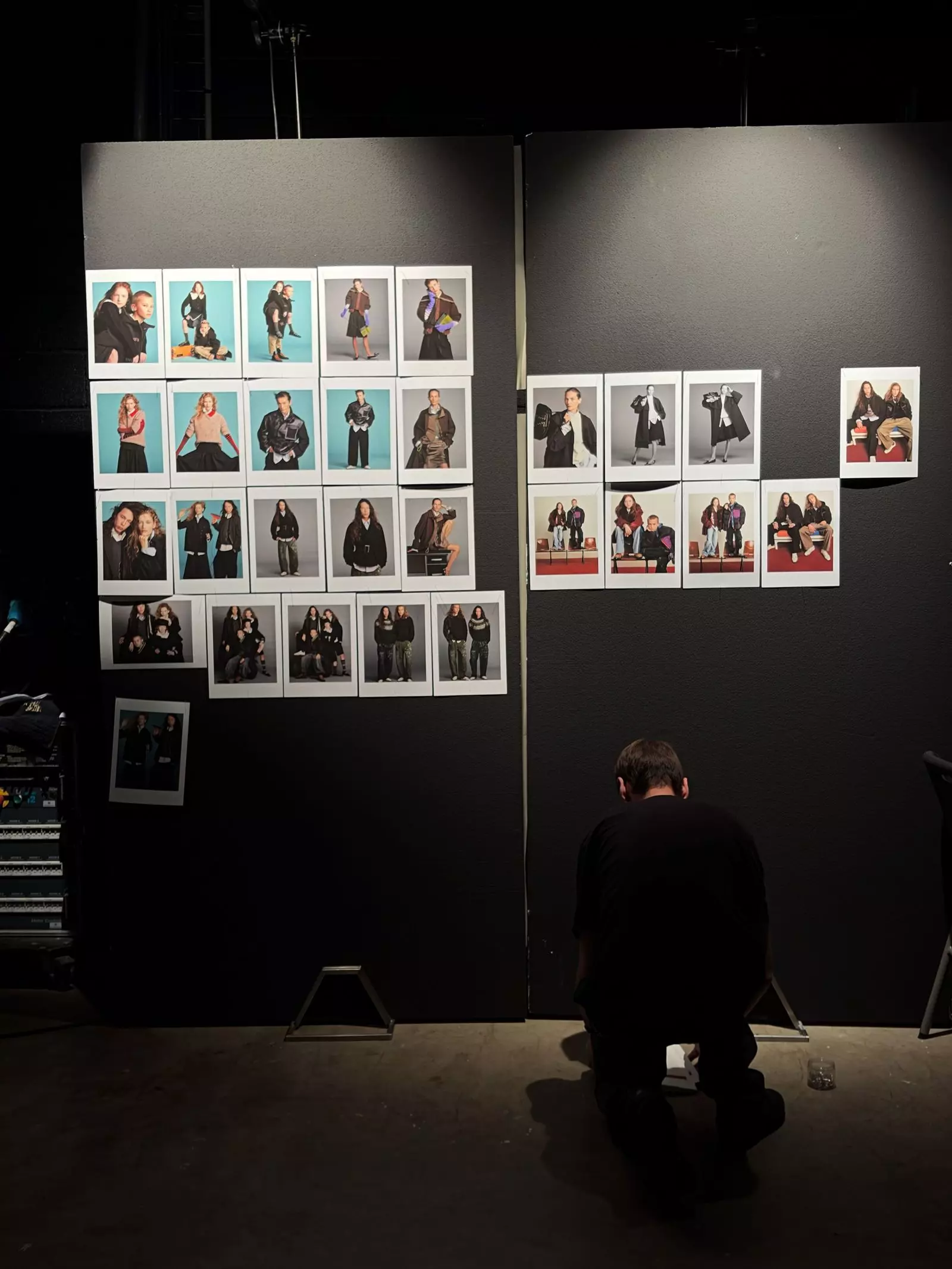
Scheduled for a global debut on December 3, following an exclusive pop-up event in Tokyo, the Kolor x Zara collection is themed 'World Uniform.' This concept embodies Kolor's signature practice of transforming ordinary clothing items into distinctive fashion statements. Horiuchi highlighted the intricate balance required to appeal to Kolor's trend-setting clientele while also catering to Zara's everyday consumer base. A notable aspect of this collaboration was the venture into children's clothing, a first for Kolor, which presented unique design and material constraints but ultimately proved to be a valuable learning experience for the team. Horiuchi expressed genuine admiration for Zara's impressive production quality and efficiency, acknowledging that the partnership enabled Kolor to realize designs that would have been unattainable independently.
Horiuchi's journey as Kolor's creative director is shaped by the weighty legacy of founder Junichi Abe. He openly addressed the pressures associated with succeeding a still-active and revered founder, yet found guidance in Abe's initial advice: to avoid replication and instead infuse Kolor with his unique vision. This philosophy underpins his approach to design and brand evolution. Prior to Kolor, Horiuchi honed his craft through his eponymous womenswear line and the menswear brand TH Product, preceded by his studies in photography at Kingston University and fashion design at the Royal Academy of Fine Arts in Antwerp, where he shared corridors with influential designers like Demna and Glenn Martens.
Addressing the broader industry climate, Horiuchi voiced concerns about the accelerated pace of creative director turnovers in prominent luxury houses, noting a significant shift since his early career in the mid-2000s. He emphasized that establishing a brand's core identity, encompassing its culture and philosophical underpinnings, is a gradual process that demands time. Frequent leadership changes, he suggested, hinder the essential compatibility and mutual understanding between a brand and its creative lead. Furthermore, Horiuchi, a recipient of the Diesel Award himself, pondered the future of talent within the industry, expressing apprehension over the escalating tuition fees at esteemed institutions like the Royal Academy of Fine Arts. He advocated for a greater emphasis on scholarships and grants from organizations supporting design awards, believing that financial barriers currently exclude a wealth of potential talent, echoing his own humble beginnings where high fees might have prevented his access to such education.
Ultimately, Horiuchi's insights underscore a nuanced perspective on the fashion ecosystem, one that celebrates innovation and collaboration while critically examining the structural impediments to its future vitality. His tenure at Kolor, marked by this strategic alliance with Zara, exemplifies an ongoing dialogue between high fashion innovation and mainstream accessibility. His reflections on mentorship, rapid industry shifts, and the critical importance of fostering diverse talent through financial aid highlight a thoughtful engagement with both the commercial and creative dimensions of global fashion.
About the author
André Leon Talley
Former creative director and editor-at-large at Vogue, a towering and influential figure in fashion journalism.