TCL to Introduce Cost-Effective 700 Hz OLED Panels for Gaming Monitors by 2028
ByRichard Garfield
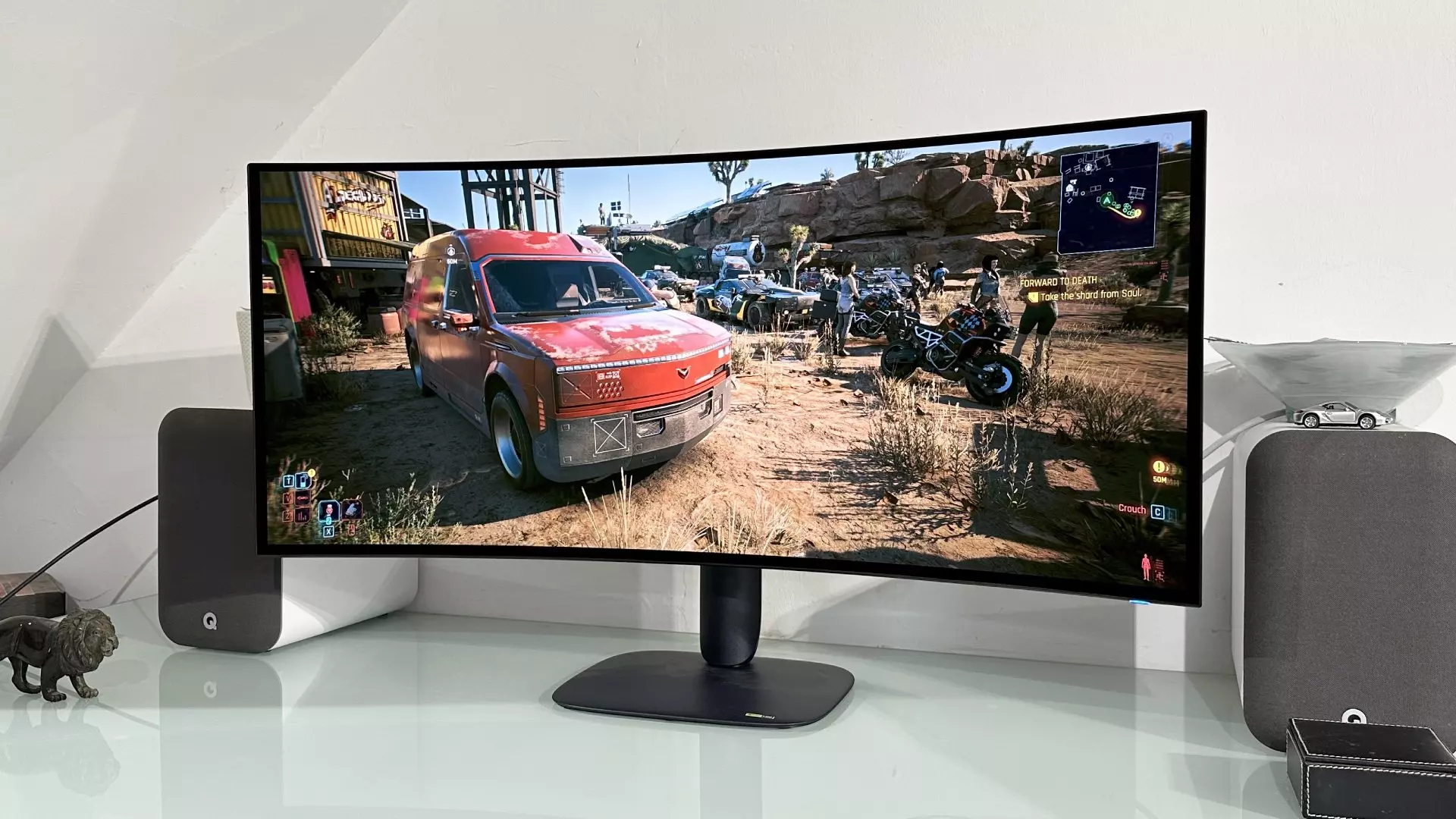
The landscape of gaming displays is on the cusp of a major transformation, as TCL China Star plans to launch advanced 700 Hz OLED panels by 2028. This development is particularly exciting for the gaming community, especially those engaged in competitive first-person shooter titles, where high refresh rates offer a significant advantage. The core of this innovation lies in a more cost-efficient manufacturing process known as ink jet printing (IJP), which is poised to make these high-performance displays more affordable and widely available. Currently, premium OLED gaming monitors, especially those with ultra-high refresh rates, tend to be quite expensive, but TCL's new approach could disrupt this trend by bringing down production costs significantly.
According to reports from Omdia, confirmed by Videocardz, TCL China Star's new Generation 8.6 IJP OLED manufacturing facility is scheduled to commence operations in 2028. This factory is designed to be the first of its kind to mass-produce IJP OLED monitor panels on a Gen 8.6 fab, signifying a leap forward in display technology. The ambitious plans include the production of larger screens, specifically 32-inch and 34-inch models, alongside refresh rates reaching an impressive 700 Hz. While 700+ Hz OLED monitors already exist, such as the 720 Hz WOLED from Asus at 1080p, TCL's innovation focuses on making this high-end performance more economically viable for a broader consumer base.
The key differentiator is the IJP (ink jet printing) technology. Traditional OLED panel manufacturing involves a process where evaporated OLED materials pass through a mask, leading to considerable material waste. In contrast, IJP directly prints the OLED materials onto the substrate, drastically minimizing wastage. This refined production method is expected to translate into lower manufacturing expenses, which should ultimately benefit consumers through more competitively priced monitors. Furthermore, earlier indications suggest that inkjet technology could enhance color volume at higher brightness levels, improving the overall visual experience.
Considering that current high-refresh-rate OLED panels, like the 720 Hz Asus model, are priced around $1,099, the prospect of more affordable alternatives is highly anticipated. The demand for OLED monitors has already seen a substantial surge, with sales increasing by 92% in 2025, driven by their superior performance characteristics and increasingly accessible price points. If TCL successfully implements its IJP technology, it could extend this affordability to the ultra-high refresh rate segment, making cutting-edge gaming visuals a reality for more players. The gaming community eagerly awaits the commencement of TCL's production in 2028, hopeful for a new era of high-performance, cost-effective OLED gaming displays.
The upcoming availability of these advanced panels could significantly impact the gaming hardware market, pushing manufacturers to innovate further and compete on both performance and price. This shift could make high-refresh-rate OLED technology a standard rather than a luxury, enhancing the immersive experience for gamers worldwide.
About the author
Richard Garfield
Mathematician and game designer who created "Magic: The Gathering," revolutionizing collectible games.