The Thematic Convergence of 'Digger' and 'Metal Gear Solid 2'
BySid Meier
This piece delves into a fascinating conversation between two visionary creators, filmmaker Alejandro G. Iñárritu and game designer Hideo Kojima, as they uncover profound thematic connections between Iñárritu's recent film "Digger" and Kojima's iconic video game "Metal Gear Solid 2." Despite originating from distinct artistic domains, both works resonate with shared concerns about the manipulation of reality through media and their innovative narrative structures that challenge audience assumptions.
Unveiling Artistic Synergy: A Cross-Medium Dialogue on Reality and Perception
The "Digger" Phenomenon: A Film Dividing and Uniting Audiences
Alejandro G. Iñárritu's latest cinematic offering, "Digger," has ignited intense debate among critics and viewers alike. While some dismiss it as an overly ambitious and self-indulgent production, others laud it as a profoundly insightful and timely artistic statement. Despite its lukewarm commercial performance, an unusual setback for the usually box-office-dominant Tom Cruise, the film has garnered impassioned defense from prominent artists across various creative fields, forming a devoted "Digger" following.
Hideo Kojima's Endorsement and a Shared Vision
Among the film's ardent supporters is the renowned game developer Hideo Kojima, a celebrated cinephile. Kojima recently took to social media platform X, echoing his past reflections on controversial projects, to articulate his deep admiration for "Digger." He characterized the film as an essential viewing experience for contemporary society, one that provokes introspection and serves as a vital cautionary tale. This initial praise was further elaborated in a joint interview with Iñárritu published by Gizmodo Japan, offering a unique glimpse into their shared artistic philosophies.
Bridging Worlds: Social Media's Impact on Reality
During their illuminating discussion, Iñárritu and Kojima identified a surprising common thread woven through their respective creations. Kojima recounted his experience developing "Metal Gear Solid 2" in 2001, a time before the widespread prevalence of social media. He explained how the game presciently explored themes of a self-sustaining social media landscape, a concept that has since materialized into our present-day reality. He drew a direct parallel to "Digger," suggesting the film grapples with similar concerns. Iñárritu concurred, articulating their shared apprehension about a new, mediated reality imposed upon individuals, a reality not directly experienced but nonetheless profoundly influential.
Beyond Surface: Shared Narrative Deceptions and Thematic Depth
While not explicitly detailed in their interview, a deeper examination reveals striking parallels in how both "Digger" and "Metal Gear Solid 2" masterfully manipulate audience expectations through narrative misdirection. "Digger's" promotional materials hinted at a satirical dark comedy, reminiscent of "Dr. Strangelove," exploring global catastrophic events. However, an early plot twist reveals the film's events are part of an elaborate theatrical production, fundamentally shifting its commentary from environmentalism and societal absurdity to a profound reflection on the intrinsic value of art in a seemingly bleak world.
Echoes of Brecht: Challenging Perceptions and Fostering Dialogue
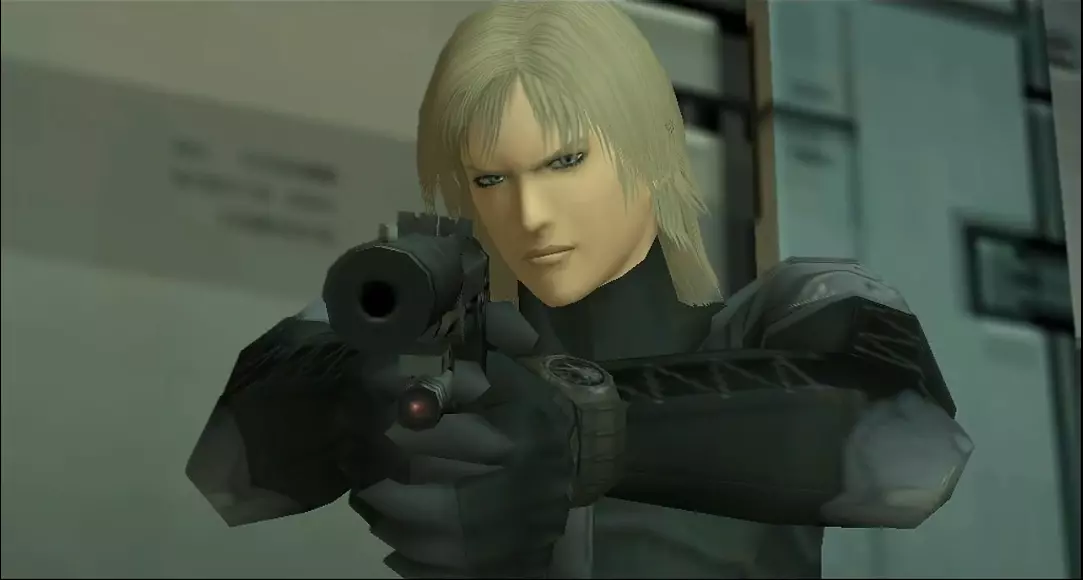
Similarly, "Metal Gear Solid 2" features one of gaming's most audacious narrative curveballs. Players, initially believing they would once again control the iconic Solid Snake, are unexpectedly thrust into the role of the new protagonist, Raiden. The game then continues its intricate dance of fabrication and deception, constantly upending the player's understanding of events. Both "Digger" and "Metal Gear Solid 2" employ these Brechtian theatrical techniques, deliberately breaking the fourth wall and forcing audiences to critically engage with the constructed nature of their narratives. This approach reinforces their overarching themes concerning environmental responsibility, the fragility of perceived reality, and the critical need for open discussion in an increasingly mediated world.
About the author
Sid Meier
Pioneering game designer known for the "Civilization" series and his philosophy on game design.