Toem 2: A Charming Photography Adventure with Simplified Puzzles
ByReiner Knizia
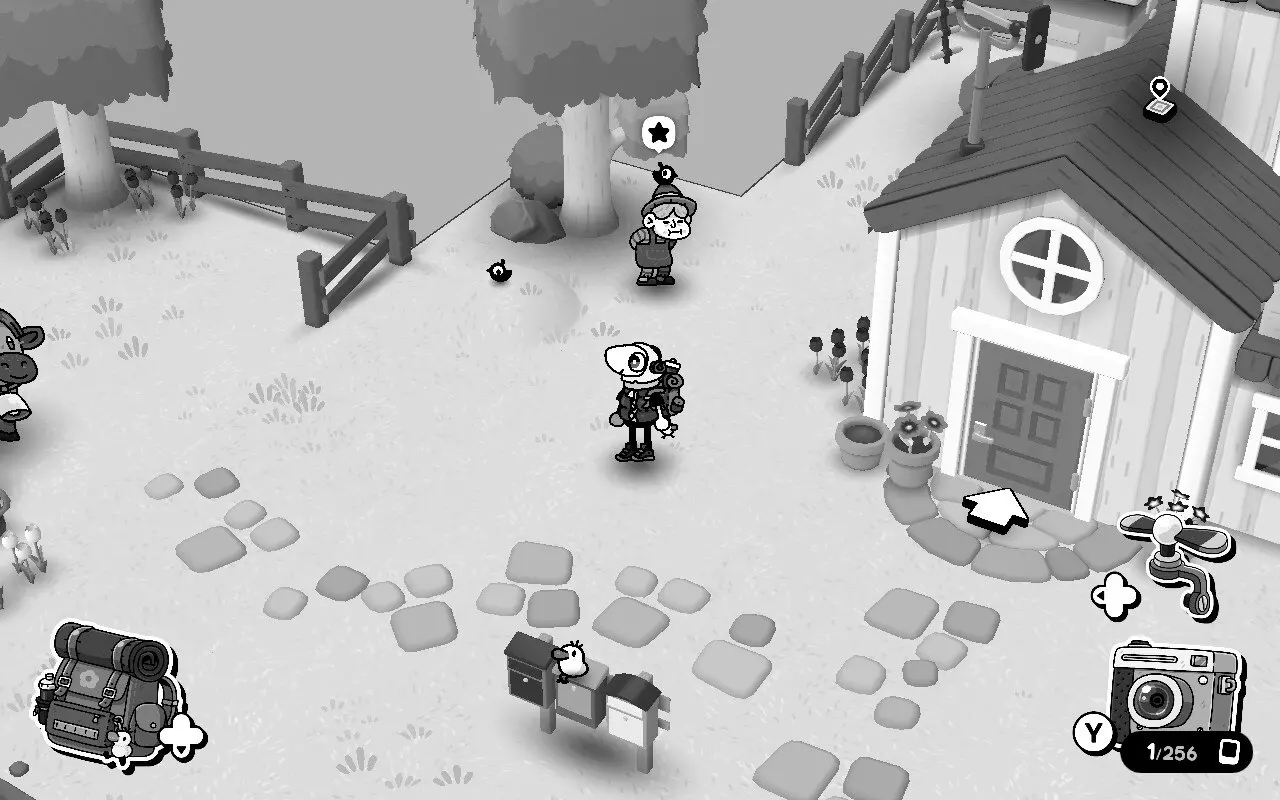
Toem 2 builds upon the photographic adventure elements of its acclaimed predecessor, inviting players on a captivating journey where the lens is your primary tool for discovery and problem-solving. This delightful sequel retains the whimsical charm and unique art style that fans adore, while introducing refinements to its core gameplay loop.
Capture the World, Solve Its Mysteries!
The Core of the Adventure: Camera-Based Problem Solving
In the enchanting world of Toem 2, as in the first installment, a keen eye and a versatile camera are essential for navigating the landscape and assisting its quirky inhabitants. The narrative begins with a quest from your grandmother: embark on a bus journey to witness the rare blossoming of the whirling birch tree. To progress, you must earn bus tickets by fulfilling various requests in each town you visit. Your trusty camera, equipped with dynamic zoom and multiple attachments, proves indispensable in these endeavors.
Exploring Towns and Fulfilling Quests
Each of the four distinct towns provides a sandbox for exploration. Locals often require assistance that can be provided through your unique photographic skills. Whether it's documenting mischievous garden gnomes, finding creative non-pot planting solutions, or locating a lost dandelion sibling, your camera is the key. Successfully completing these tasks earns you journal stamps, bringing you closer to your next bus ride.
Beyond the Lens: Diverse Problem-Solving
While photography is central, Toem 2 also integrates more traditional adventure game puzzles that don't exclusively rely on your camera. These tasks introduce variety, challenging you to think beyond snapping pictures. From helping a timid scarecrow find a bird-free perch to brewing a healing potion for an injured knight, or even deciphering an escape room challenge, the game offers a range of brain-teasers to keep you engaged.
Personalization and Collectibles
The game features a charming array of collectible outfits, allowing you to personalize your character's appearance. A highlight for many is the oversized mascot head of the protagonist, adding a touch of humor. Additionally, a creature compendium encourages completionists to photograph every critter they encounter, offering an extra layer of engagement. The inclusion of an airborne camera tripod also allows for creative aerial shots, adding another dimension to your photographic adventures.
A More Guided Experience: The Streamlined Quest Structure
Unlike the original Toem, which offered a more open-ended approach to progression by requiring a certain number of stamps from any quest, Toem 2 presents a clearer, more linear main questline for each area. Every location ties a special camera attachment to a specific local in need, guiding your journey. While helping these characters is optional, it's implicitly the designed path to a fulfilling conclusion. This structured approach, while ensuring a cohesive narrative, has led some players to note a reduction in the spontaneous, free-form puzzle-solving charm of the first game.
Reflections on Puzzle Mechanics
The original Toem was celebrated for its electrifying puzzle-solving moments, where players connected disparate clues to arrive at a satisfying "aha!" discovery. Toem 2, however, tends to be more direct. Challenges often feel like explicit instructions rather than cryptic hints, leading to a gameplay experience where the solution is frequently obvious rather than a result of creative deduction. While still an endearing and brief sequel, this simplification in puzzle design may cause it to feel less innovative compared to its predecessor, trading some of the original's imaginative adventure game magic for a more straightforward progression.
About the author
Reiner Knizia
Prolific and award-winning board game designer with a PhD in mathematics, known for elegant game mechanics.