Top Non-Comedogenic Sunscreens for Clear, Protected Skin
ByRuth E. Carter
Protecting your skin from harmful UV radiation is essential, especially if you have sensitive or acne-prone skin. The challenge lies in finding sunscreens that effectively block rays without exacerbating breakouts. Fortunately, a new generation of non-comedogenic sunscreens has emerged, formulated with ingredients that shield your skin while keeping pores clear. This allows for consistent daily sun protection, irrespective of the season, ensuring skin health and clarity.
Leading dermatologists and skincare specialists emphasize the importance of using sun protection year-round. These experts advocate for advanced SPF formulas that defend against UVA and UVB damage without causing pore congestion. This guide explores various highly-rated non-comedogenic sunscreens, offering solutions for different skin concerns and preferences, proving that effective sun care can indeed coexist with a blemish-free complexion.
Choosing the Right Non-Comedogenic Sunscreen
Selecting a non-comedogenic sunscreen involves prioritizing formulas that prevent clogged pores, a critical consideration for individuals prone to acne. These products are specifically designed to avoid ingredients known to cause congestion, ensuring that daily SPF application doesn't lead to new breakouts. While product labels often highlight their non-comedogenic status, it's beneficial to understand that individual skin reactions can vary. Therefore, a careful review of the ingredient list is always recommended, especially for those with highly reactive skin types.
When making your selection, be mindful of common ingredients that dermatologists suggest avoiding in non-comedogenic sunscreens. Certain oils and alcohols, such as coconut oil, mineral oils, and some types of alcohol, can stimulate oil production and trigger breakouts. Similarly, ingredients like lanolin, petroleum, and beeswax may also pose problems for acne-prone skin. Mineral-based sunscreens, containing zinc and titanium dioxide, are often favored for their acne-safe properties, though many chemical SPF formulations also successfully meet non-comedogenic standards.
Effective Sunscreen Removal and Top Recommendations
Properly removing sunscreen is just as crucial as applying it, as even non-comedogenic formulas can accumulate on the skin and contribute to breakouts if not thoroughly cleansed. A simple wash with standard cleanser is often insufficient to break down and remove all sunscreen residues. Dermatologists strongly recommend a double-cleansing method to ensure complete removal. This process typically begins with an oil-based cleanser or balm, which effectively dissolves the sunscreen. This is then followed by a gentle daily cleanser to wash away any remaining impurities and buildup, leaving the skin clean and refreshed.
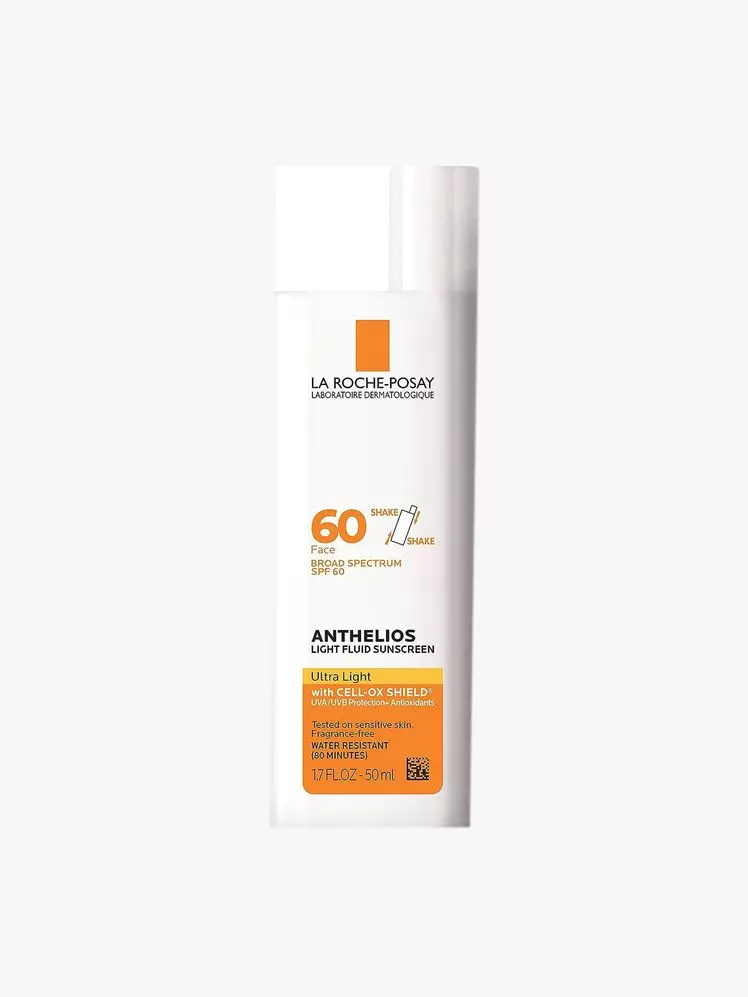
Among the standout non-comedogenic sunscreens, several products cater to diverse needs. The La Roche-Posay Anthelios Ultra Light Fluid Facial Sunscreen is a top drugstore choice, featuring titanium dioxide for broad-spectrum protection and shine reduction, making it ideal for oily and sensitive skin. For those seeking a radiant finish, Kosas DreamBeam Sunscreen offers a silicone-free, hypoallergenic formula enriched with ceramides and hyaluronic acid to illuminate and moisturize. EltaMD UV Clear Facial Sunscreen, highly praised by dermatologists, is an oil-free option for acne, rosacea, and hyperpigmentation, blending seamlessly into all skin tones. For targeted redness relief, SkinCeuticals Clear Daily Soothing UV Defense combines mineral and chemical filters in a lightweight, hydrating formula, favored for its soothing properties.
About the author
Ruth E. Carter
Oscar-winning costume designer for films like "Black Panther," authoring works on the intersection of fashion, culture, and history.