Toy Story 5: Streaming Debut and Box Office Triumph
ByMark Rosewater
Pixar's latest cinematic offering, "Toy Story 5," has achieved remarkable success both at the box office and in its subsequent digital release. The film not only garnered significant critical praise but also resonated deeply with global audiences, securing its place as a commercial juggernaut. However, amidst this triumph, the animation studio faced organizational changes, including employee layoffs, raising questions about the industry's economic dynamics.
This article delves into the impressive financial achievements of "Toy Story 5," highlighting its record-breaking box office performance and its highly anticipated arrival on the Disney Plus streaming platform. It also examines the perplexing decision to implement staff reductions at Pixar despite the studio's recent success, exploring the underlying factors and broader implications for the animation industry.
"Toy Story 5" Dominates Box Office and Digital Platforms
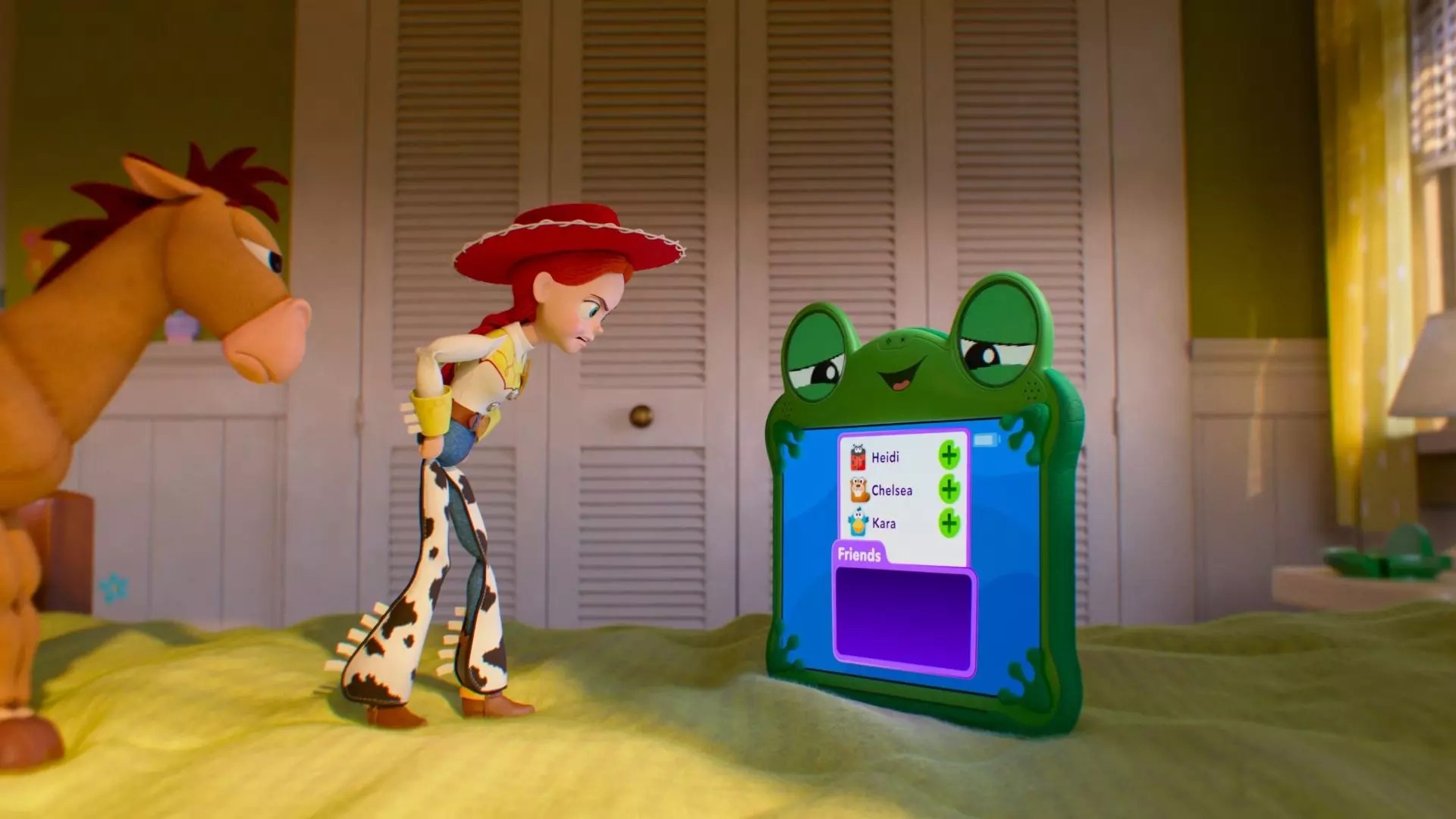
Pixar's highly anticipated animated film, "Toy Story 5," has successfully completed its theatrical run and is now available for streaming on Disney Plus. The movie, which premiered on June 19, defied any concerns of audience fatigue often associated with long-running franchises, achieving an astounding global box office gross exceeding $1.1 billion. This impressive figure not only established it as the most financially successful film in the "Toy Story" saga but also positioned it as the third-highest-grossing movie of the year, trailing only "Spider-Man: Brand New Day" and "The Odyssey." Critics and general viewers alike praised the film, which boasts a 93% critics' score and a 94% audience score on Rotten Tomatoes, for its exceptional animation, compelling voice performances, and characteristic humor, reaffirming Pixar's enduring ability to deliver high-quality content within this beloved series.
Following its successful theatrical and digital rental/purchase periods, "Toy Story 5" officially became accessible to Disney Plus subscribers on September 23. This release followed a standard three-month interval between its cinematic debut and its streaming platform availability, a pattern that Disney has increasingly adopted for its major releases, as seen with "Star Wars: The Mandalorian and Grogu." The film's robust box office performance underscored its widespread appeal and solidifies its status as a major cultural event. Its seamless transition to Disney Plus ensures its continued accessibility to a broad audience, further cementing its commercial success and critical acclaim within the animated film landscape, even as the studio navigates internal restructuring.
Unforeseen Layoffs at Pixar Amidst Film's Success
Despite the immense financial success of "Toy Story 5," which grossed over a billion dollars worldwide, Pixar made the controversial decision to lay off a significant number of its employees shortly after the film's release. Between 100 and 150 individuals from its 1,100-person workforce were impacted by these reductions on July 21. This move marked the largest round of layoffs since May 2024, when approximately 175 staff members, or about 14% of the company's total employees, were let go. The timing of these layoffs, occurring on the heels of a major box office triumph, raised questions and concerns within the industry and among the public, highlighting potential disconnects between creative success and corporate restructuring decisions at major studios.
According to reports, specifically from The Wrap, these layoffs were controversially attributed to the perceived "underperformance" of another Pixar film, "Hoppers." While "Hoppers" reportedly earned $389.7 million on a $150 million budget, potentially reaching a break-even point based on typical industry estimations (where a film often needs to gross more than double its production budget to cover all costs), this rationale for the layoffs proved contentious. The decision to cut staff following a highly successful release like "Toy Story 5" underscores the complex financial pressures and strategic considerations that major animation studios face, even when their creative output continues to achieve both critical acclaim and significant commercial returns. Looking ahead, Pixar has announced upcoming projects such as "Gatto" in 2027, "Incredibles 3" in 2028, and "Coco 2" in 2029, signaling a continued commitment to its animated film slate despite recent organizational shifts.
About the author
Mark Rosewater
Head designer for "Magic: The Gathering" and author of long-running insights on game design.