Toyota's Next-Gen Hybrid System Promises Enhanced Fuel Efficiency and Design Flexibility
ByLarry Chen
Toyota is on the verge of unveiling a groundbreaking modular hybrid system, a strategic move following a year of extensive patent filings focused on integrating hybrid and EV components more efficiently. This innovative approach centers around a newly developed 1.5-liter four-cylinder engine, marking a significant step in the automaker's commitment to advanced electrification. The core philosophy behind this initiative is to create a versatile platform capable of supporting battery-electric vehicles (BEVs), plug-in hybrid electric vehicles (PHEVs), and conventional hybrids without compromising the distinctive attributes of each. This 'multi-pathway' strategy not only addresses diverse market needs but also aims to streamline development and production costs, ensuring a cohesive and cost-effective future for Toyota's diverse vehicle offerings.
Toyota Forges Ahead with a New Generation of Hybrid Technology
In a significant stride towards future mobility, Toyota is introducing an advanced modular hybrid system, underpinned by an all-new 1.5-liter four-cylinder engine. This engine, available in both naturally aspirated and turbocharged versions, has been meticulously engineered from the ground up to integrate flawlessly with the hybrid system and its intricate power electronics. This holistic design philosophy ensures optimal performance and efficiency, moving beyond simply augmenting existing engine architectures.
The naturally aspirated variant is poised to supersede Toyota's current 1.8-liter and 1.5-liter three-cylinder engines, offering a refined and efficient power source. For drivers seeking more vigorous performance, a turbocharged option will be available. Complementing these engines are lighter and more compact electric motors, power units, and inverters. A key technological advancement in this system is Toyota's proprietary silicon carbide power electronics, which significantly reduce energy loss, contributing to an overall fuel economy improvement exceeding 15%. This enhancement is achieved through a combination of reduced mechanical friction, improved thermal management, and minimized electrical inefficiencies.
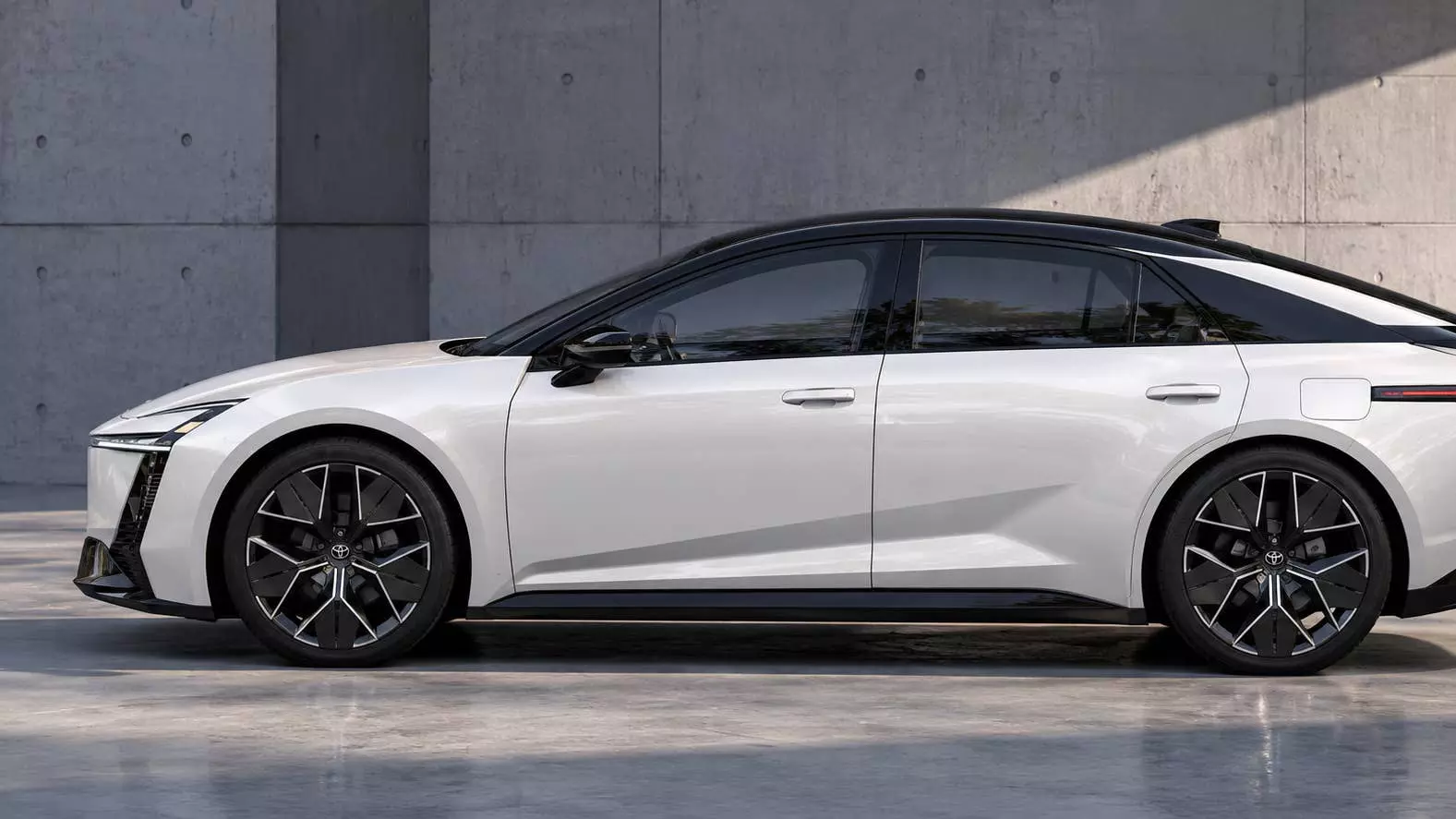
Beyond the impressive efficiency gains, the compact design of this new hybrid setup offers unprecedented flexibility for vehicle designers. Its smaller footprint allows for seamless integration into platforms originally conceived for electric vehicles. This strategic advantage means that hybrid and plug-in hybrid models can now share fundamental architectures with BEVs, eliminating the traditional compromises in cabin space, vehicle aesthetics, or functional capabilities often associated with accommodating hybrid powertrains. The reduced profile of the engine and hybrid package enables designers to create vehicles with lower hood lines and more dynamic proportions, fostering greater creative freedom in future model development.
While specific models and launch dates remain under wraps, industry insights suggest that the next iteration of the Toyota Corolla could be among the first to feature this cutting-edge technology. The shared platform strategy is expected to yield substantial benefits in terms of engineering and manufacturing costs, allowing Toyota to adapt production mixes between hybrids, plug-in hybrids, and BEVs in response to evolving market demands. Furthermore, Toyota is actively developing this system to be compatible with renewable and carbon-neutral fuels, signaling its commitment to a sustainable future. The company also plans to expand the external sales of its engine and hybrid technologies, further solidifying its leadership in the automotive industry's transition towards electrification.
Toyota's latest announcement heralds a promising future for hybrid technology, showcasing a harmonious blend of efficiency, design innovation, and adaptability. This comprehensive approach not only reinforces Toyota's dedication to improving hybrid vehicles but also demonstrates a clear pathway for their coexistence and evolution alongside battery-electric vehicles in the ever-changing automotive landscape. It underscores the importance of continuous innovation and strategic platform development in meeting the diverse needs of global consumers while striving for a more sustainable automotive ecosystem.
About the author
Larry Chen
Renowned automotive photographer and journalist specializing in drift and car culture.