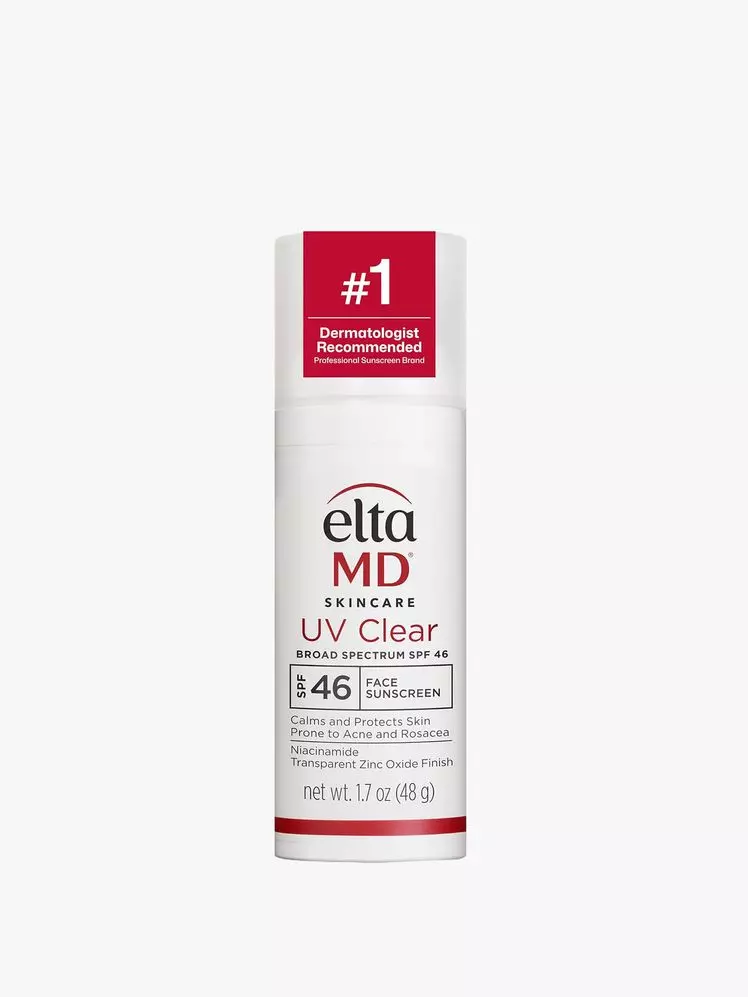
Finding the ideal sun protection for delicate skin has undergone a significant transformation. Where once mineral-based and non-toxic formulas dominated the market for those susceptible to breakouts or irritation, the landscape has broadened to include sophisticated chemical sunscreens and innovative K-beauty products specifically formulated to comfort and defend the skin. This evolution offers a wider array of effective and pleasant-to-use options for daily sun care.
Leading dermatologists and beauty authorities now endorse a diverse range of sunscreens that excel in both protection and skin compatibility. Dr. Marisa Garshick, a board-certified dermatologist, highlights the advancements in mineral formulas, noting their improved lightweight texture, easy absorption, and reduced tendency to leave a white residue. Furthermore, the introduction of newly FDA-approved filters like bemotrizinol (BEMT) has expanded possibilities for individuals who favor chemical sunscreens but require gentle formulations. Dr. Garshick explains that BEMT's larger molecular size minimizes systemic and skin absorption, thereby lowering the risk of irritation, making it a valuable addition for sensitive skin types.
Modern sunscreens are increasingly designed for daily application, moving beyond mere beach day essentials. These formulations often incorporate beneficial ingredients such as hyaluronic acid and glycerin for enhanced hydration, alongside calming agents like niacinamide, to counteract dryness and irritation. The result is a new generation of sunscreens that are more enjoyable to apply and provide comprehensive protection without compromising skin health. Experts and beauty editors alike now rely on these soothing formulas to prevent sun damage, breakouts, and redness, making daily sun protection a comfortable and effective part of any skincare regimen.
When selecting a sunscreen for sensitive skin, dermatologists largely advocate for mineral sunscreens due to their gentle nature. Dr. Greenfield stresses that mineral sunscreens, which create a physical barrier on the skin's surface, are free from chemicals that frequently trigger irritation or allergic reactions. They offer broad-spectrum protection against UVA and UVB rays while avoiding common skin sensitivities. Dr. Obioha-Lolagne specifically advises looking for formulas containing zinc oxide and/or titanium dioxide, as these active ingredients are less likely to cause adverse reactions compared to those found in chemical sunscreens. Beyond the active ingredients, the overall formulation is crucial. Dr. King suggests prioritizing non-comedogenic emollients and humectants to ensure skin remains moisturized without clogging pores. The SPF level should be at least 30, providing robust broad-spectrum coverage. It's also vital to be mindful of expiration dates, as compromised ingredients can become ineffective and potentially irritating. Texture is another key consideration; sunscreens should be light and breathable to avoid congestion, yet substantial enough to remain on the skin, with lotions, creams, and gels generally preferred over sprays for more thorough application.
It is unequivocally important to use sunscreen daily, even with sensitive skin. Dr. Greenfield emphasizes that while some sun exposure on the body may be acceptable, unprotected facial exposure can lead to accelerated aging, discoloration, and textural changes. Therefore, daily application of facial sunscreen is recommended regardless of weather conditions. Regarding SPF levels, Dr. Shambam clarifies that SPF 50 is not inherently too strong for sensitive skin. Instead, sensitivity is more often linked to specific chemicals or aggressive ingredients. While SPF 50 offers excellent protection, the difference in UV blocking efficiency between SPF 30 (which blocks 95%-97% of UV rays) and SPF 50 is marginal. For those with highly reactive skin, it's crucial to diligently read product labels and select items explicitly marketed for sensitive skin. Individuals with sun allergies should opt for zinc oxide and titanium dioxide-based sunscreens, and when avoidance isn't possible, supplemental physical protection like UPF clothing, hats, and umbrellas is highly recommended.
About the author
Anna Wintour
Legendary editor-in-chief of Vogue and global fashion authority.