Unveiling the Cinematic Tapestry: Costume Design in "Dune: Part Three"
ByDiane von Fürstenberg
Jacqueline West's creative journey for "Dune: Part Three" spanned a vast temporal and cultural landscape, moving from the ethereal art of Giotto and medieval papal courts to an evocative photograph of a woman in Dior sunglasses in Iran. Her inspirations were as eclectic as they were profound, including the solitary existence of Howard Hughes, which informed Timothée Chalamet's portrayal of the burdened Emperor Paul Atreides. Furthermore, the iconic horror film "Carrie," featuring Sissy Spacek, served as a surprising muse for Anya Taylor-Joy's character, illustrating West's unique approach to crafting costumes for a futuristic narrative by delving deep into historical and cinematic pasts. West, a five-time Oscar nominee with a background in fashion design, embraced the challenge of the trilogy's conclusion, noting that this installment, set two decades after the previous one, presented a distinctly emotional and character-driven vision, necessitating a significant evolution in every character's portrayal.
The collaborative process between West and director Denis Villeneuve is a finely tuned symphony, commencing with the script and evolving through daily discussions about character psychology. West translates these concepts into visual ideas with her concept artist, eventually presenting sketches and references back to Villeneuve. Central to her approach is the concept of "modieval"—a fusion of modern and medieval aesthetics—ensuring the designs remain grounded in reality rather than futuristic fantasy, adhering to Frank Herbert's wisdom: to envision the distant future, one must examine the ancient past. However, for "Part Three," this guiding principle expanded to embrace a Renaissance sensibility, incorporating influences from Goya's paintings, early papacy imagery, Etruscan and North African tribal attire, and Balenciaga's sculptural fashion, reflecting the narrative's darker progression and eventual redemption.
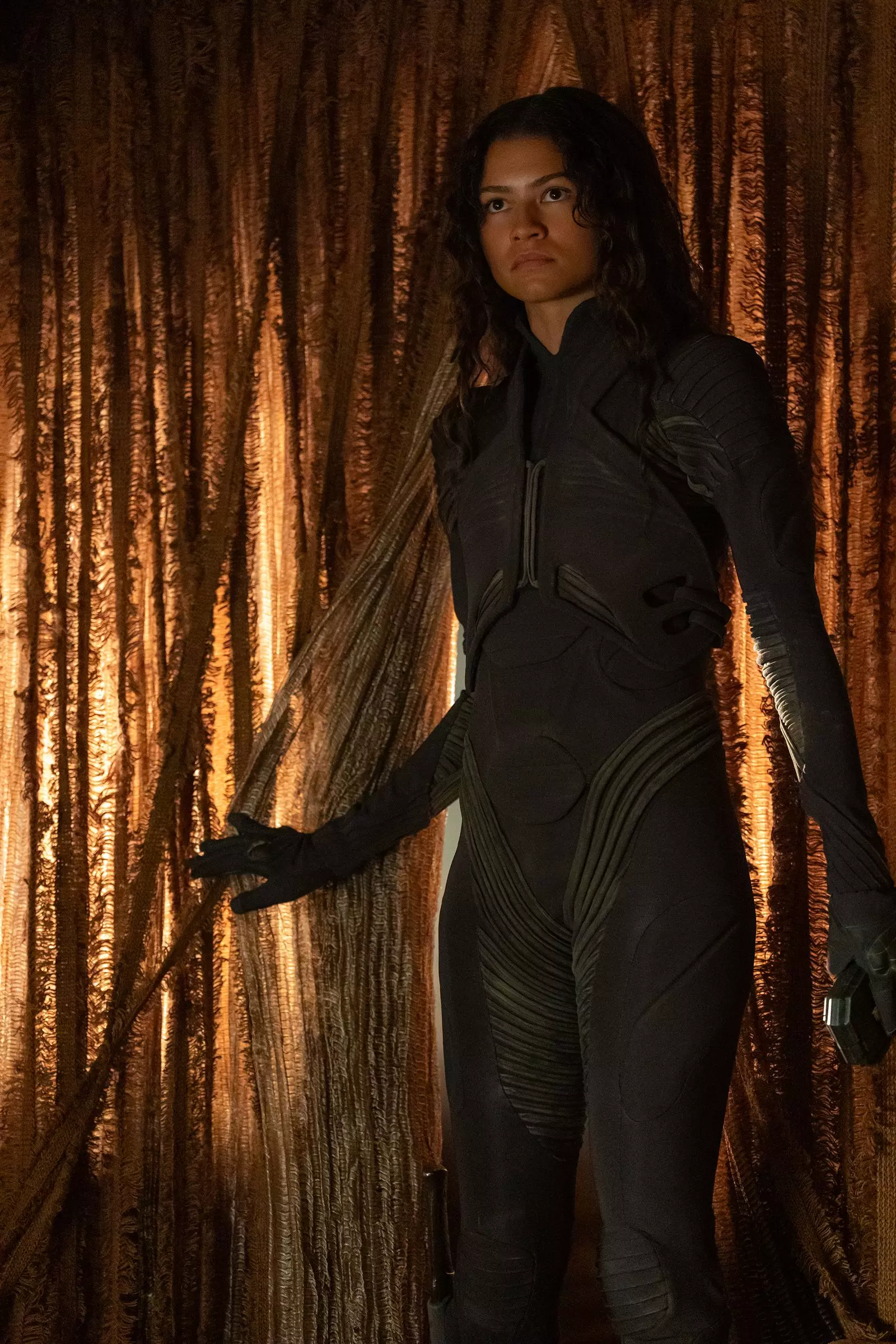
This evolving aesthetic is vividly illustrated through the characters' wardrobes. Paul Atreides' transition from a reluctant messiah to a powerful emperor burdened by guilt is conveyed through substantial fabrics, rich leather, and intricate embroidery, drawing parallels to Howard Hughes' reclusive persona. In contrast, Zendaya's Chani remains a moral compass, her connection to Fremen heritage preserved through traditional stillsuits, which themselves underwent a sleek, body-conscious redesign for other characters, utilizing innovative materials and fabrication techniques. For Princess Irulan, a melancholic blue palette and ecclesiastical head coverings were chosen, while Anya Taylor-Joy's Alia Atreides, a sinister cult leader, is predominantly clad in white, drawing from Giotto's religious art and Sufi aesthetics, eventually incorporating a "Carrie"-inspired blood-soaked look. Robert Pattinson's shapeshifting Scytale and Jason Momoa's Hayt also received meticulously crafted costumes that reflect their enigmatic roles, further testament to West's dedication to detail and narrative depth. West's reliance on natural materials and a blend of ultra-modern fabrication with centuries-old craftsmanship from collaborators like a textile artist in Lucca, Italy, underscores her vision: creating futuristic garments that carry echoes of a rich past.
The meticulous artistry and profound dedication evident in the costume design for "Dune: Part Three" offer a powerful metaphor for life's intricate tapestry. Just as Jacqueline West weaves diverse historical and cultural threads into a cohesive, evolving narrative of character and emotion, we too are constantly shaping our identities through our experiences and interactions. This process highlights the beauty of embracing both tradition and innovation, understanding that our past informs our future, and that even in the face of profound change or darkness, there is always a path towards evolution and redemption. The film's commitment to visual storytelling, where every detail holds significance, reminds us of the importance of intention and authenticity in our own narratives, encouraging us to seek depth and meaning in every facet of our existence, much like the rich, layered worlds West brings to life.
About the author
Diane von Fürstenberg
Fashion designer and author, best known for the wrap dress and her writings on style and female empowerment.