Unveiling the Impact of Gaming Mouse Technology on Reaction Times
BySid Meier
This report investigates the practical impact of advanced gaming mouse technology on user reaction times, specifically focusing on Logitech's Superstrike series with its innovative analogue click mechanism. The study aims to determine if these specialized mice provide a tangible performance advantage over conventional gaming mice equipped with optical switches.
Does Cutting-Edge Mouse Technology Truly Accelerate Your Reactions? A Deep Dive into Analogue Clicks.
The Promise of Analogue Switches: Lower Latency in Gaming
Logitech's G Pro X3 Superstrike, alongside its predecessor, the X2 Superstrike, champions the benefit of reduced input latency. This claimed advantage stems from its adjustable button-press distance, made possible by analogue switches. While the theoretical gains appear promising, the core question remains: how significant is this difference in real-world application?
My Personal Quest: Quantifying the Edge of Advanced Mice
Having previously used the X2 Superstrike and perceiving a subtle improvement in games like Counter-Strike, I found myself questioning whether this was a genuine performance boost or merely a psychological effect. With the release of the X3, I decided to undertake a rigorous empirical investigation to compare its performance against a mouse featuring standard click mechanisms.
Methodology: Exhaustive Reaction Time Testing
My experiment utilized the Human Benchmark reaction time test, involving a total of 150 reactive clicks. This comprehensive test comprised 50 clicks each for the SteelSeries Sensei Pro (a standard optical mouse), the X3 Superstrike set to its shortest actuation distance (level 1), and the X3 Superstrike at a moderate actuation distance (level 3). To mitigate learning effects, I frequently switched between the devices throughout the testing period, ensuring the results primarily reflected hardware differences rather than skill improvement.
Analyzing the Data: A Closer Look at the Results
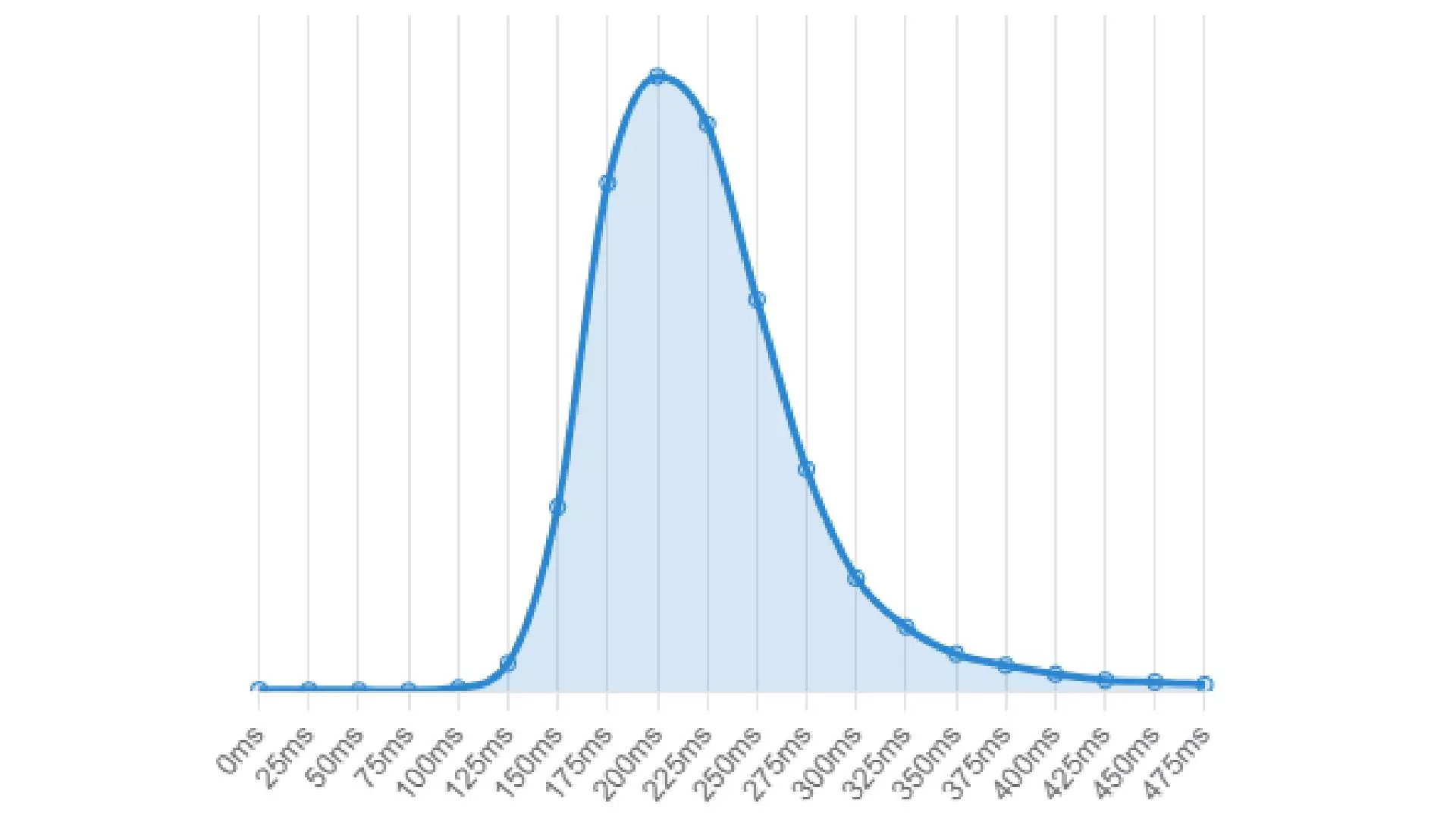
The compiled data, as presented in the accompanying chart, indicates that the Superstrike mice yielded reaction times largely comparable to the Sensei Pro. The marginal 1-millisecond difference observed at level 1 is most likely attributable to natural statistical variance rather than a definitive performance edge, especially considering the slightly poorer performance at level 3 compared to the Sensei Pro.
The Human Element: Beyond Milliseconds
While an exhaustive study involving thousands of data points might uncover a more distinct trend, the current findings from 150 trials highlight a lack of immediately discernible impact. The considerable variability within individual reaction times across all mice and settings suggests that personal factors—such as sleep quality, hydration levels, and overall well-being—likely exert a far greater influence on a gamer's reaction speed than the subtle differences offered by advanced mouse technology.
Target Audience: The Elite Gamer's Perspective
Notwithstanding these findings, it is plausible that professional gamers, who already possess exceptionally consistent and rapid reaction capabilities, might benefit more significantly from these minute technological advantages. For the average user, however, the practical benefits appear to be minimal.
About the author
Sid Meier
Pioneering game designer known for the "Civilization" series and his philosophy on game design.