Used EV Market Surges: Non-Tesla Brands Dominate Sales Speed Despite Tesla's Price Gains
ByLarry Chen
An iSeeCars study indicates that used electric vehicles are now selling at a faster pace than their gasoline counterparts, taking an average of 41.9 days to sell, nearly two weeks less than the 54.8 days for gas-powered cars. This phenomenon is observed even as pre-owned Tesla models command higher prices, with Audi, Toyota, and Honda electric vehicles demonstrating quicker sales turnaround. The analysis points to rising fuel costs as a contributing factor and reveals a market preference for smaller EV crossovers over larger models, which tend to linger longer on the market.
The Growing Momentum of Used Electric Vehicles
According to a comprehensive analysis by iSeeCars, the market for pre-owned electric vehicles is currently experiencing a significant surge, with these cars being acquired by buyers notably faster than conventional gasoline-powered automobiles. The average electric vehicle now finds a new owner within approximately 41.9 days, marking a substantial improvement from 46.6 days a year prior. This acceleration in sales contrasts sharply with the gas car market, where average selling times have slowed from 45.7 days to 54.8 days. This shift underscores a notable change in consumer preferences and market dynamics within the automotive industry, signaling a growing acceptance and demand for electric transportation solutions in the secondary market. The increasing speed of sales for used EVs suggests that more consumers are turning to electric options, possibly driven by evolving environmental consciousness, advancing technology, or a desire for lower running costs, even as the overall market faces various economic pressures. This trend is particularly compelling given the recent economic fluctuations and changes in consumer spending habits, indicating a strong underlying demand for electric mobility.
The study further highlights that this increased demand for used EVs is accompanied by a rise in their market value. Over the last year, the average price of a used electric vehicle has climbed by 9.8%, reaching an average of $32,533. This places them approximately $579 higher than the average price of a used gasoline vehicle, signifying a premium that buyers are willing to pay for electric models. The report suggests that the volatility in fuel prices, particularly the record-high average of $4.33 per gallon for regular gasoline in September, plays a crucial role in this market shift. These elevated fuel costs make electric vehicles, with their lower per-mile energy expenses, a more attractive and cost-effective option for many consumers. Consequently, the combination of faster sales cycles and rising prices for used EVs illustrates a robust and expanding segment of the automotive market. This trajectory suggests that as electric vehicle technology continues to improve and charging infrastructure becomes more widespread, the used EV market is poised for continued growth and will likely exert greater influence on the broader automotive landscape, potentially leading to further adjustments in pricing and sales strategies across both electric and conventional vehicle sectors.
Market Leaders: Who's Outpacing Tesla in Used EV Sales?
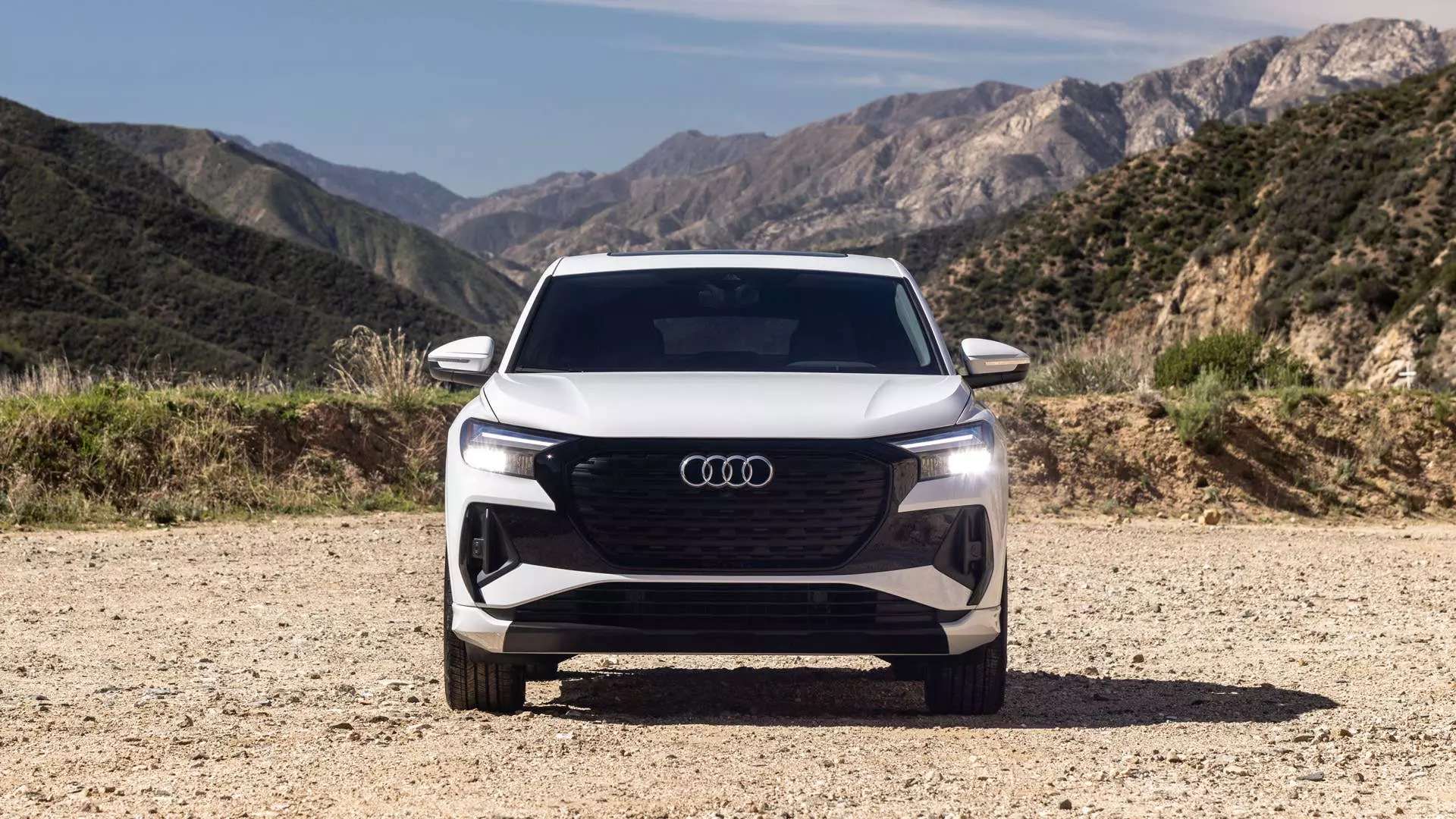
Despite Tesla's prominent position in the electric vehicle industry and the significant appreciation in the value of its used models, the iSeeCars analysis indicates that other brands are currently leading in the speed of used EV sales. While Tesla's Model S, Model X, and Model 3 have seen their prices rise substantially—by 22.5%, 18.0%, and 15.4% respectively—none of these models appear in the top ten fastest-selling used electric vehicles. Instead, brands such as Audi, Toyota, and Honda are dominating this metric. The Audi Q4 Sportback e-tron stands out as the fastest-selling used EV, typically finding a buyer in a remarkable 29.8 days, placing it third among all used vehicles, including gasoline models. Following closely are the Toyota bZ4X at 33.3 days, the Lexus RZ 300e at 34.3 days, the Honda Prologue at 35.0 days, and the standard Audi Q4 e-tron at 35.8 days. This trend underscores a broader diversification in the EV market, where consumer interest is expanding beyond Tesla to embrace a variety of manufacturers offering competitive electric options. The success of these non-Tesla brands in the used market highlights their growing appeal and the increasing maturity of the electric vehicle segment as a whole, challenging the perception that Tesla unilaterally controls the EV market's pulse. It also indicates that factors beyond just brand recognition, such as specific model features, reliability, and accessibility, are playing a crucial role in influencing buyer decisions.
A clear pattern emerging from the study is the strong preference for compact and midsize electric crossovers, which consistently appear at the top of the fastest-selling list. Conversely, larger vehicles such as full-size pickups and large SUVs are among the slowest to sell. For instance, models like the Kia EV6, BMW i4, and Chevrolet Equinox EV all share the tenth spot, selling in an average of 36.7 days, further illustrating the demand for more manageable and often more efficient crossover designs. This categorical split suggests that buyers in the used EV market prioritize practicality, efficiency, and perhaps affordability, which are typically found in smaller crossover formats. The disparity is particularly evident within a single manufacturer, with the used Chevrolet Equinox EV selling in 36.7 days, while the used Silverado EV takes significantly longer at 89.1 days, and the Cadillac Escalade IQ is the slowest-selling at 128.7 days, with GM vehicles comprising six of the ten slowest-selling used EVs. This indicates that while the overall EV market is thriving, specific segments within it behave differently based on vehicle type and size. The robust sales performance of smaller luxury crossovers like the Audi Q4 Sportback e-tron, which sells much faster than the Cadillac Optiq despite both being compact luxury crossovers, also suggests that brand perception, model-specific features, and market positioning play a complex role beyond just vehicle segment. For consumers, this data offers valuable insights into which types of used EVs are in high demand and which might offer more negotiation room due to slower sales, thereby guiding purchasing decisions whether they seek a quick acquisition or a more deliberate, cost-effective choice.
About the author
Larry Chen
Renowned automotive photographer and journalist specializing in drift and car culture.