Valve's Artistic Patch Notes: A Masterclass in Game Updates
ByMark Rosewater
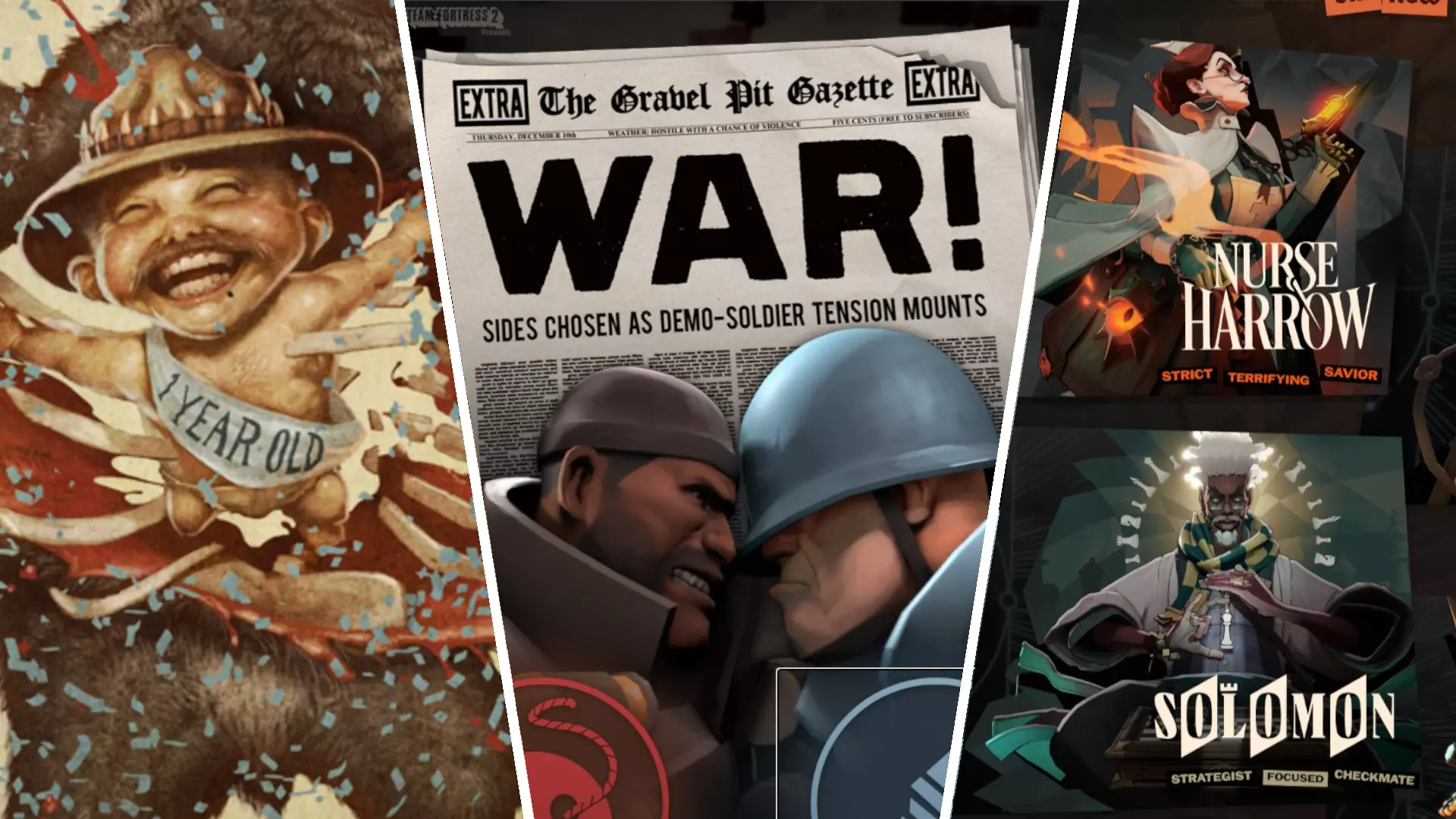
Valve has a remarkable history of transforming mundane game updates into engaging narrative experiences, setting a high standard for the industry. Their recent patch for Deadlock, featuring significant map redesigns, new characters, and various quality-of-life improvements, exemplifies this tradition. What truly distinguishes these updates is Valve's creative approach to presenting patch notes. They often go beyond simple lists, crafting unique, visually rich webpages that immerse players in the game's evolving world.
This dedication to artistic patch notes dates back to the golden age of Team Fortress 2, a period when Valve innovated in multiplayer game storytelling. Updates for TF2 weren't just about new items or bug fixes; they were narrative events, often accompanied by elaborate web pages, custom comics, and unique visual themes. This pioneering strategy predates the modern concepts of seasonal content and live-service gaming, showcasing how Valve once used its updates to deepen player engagement and expand game lore, creating a sense of wonder and anticipation among its community.
Today, while many game developers opt for more utilitarian update logs, Valve's return to this imaginative style for Deadlock's 'City Never Sleeps' patch is a refreshing departure. The notes are designed like a vibrant tourism guide for the game's revamped New York City, complete with interwoven storytelling and technical explanations. This blend of information and entertainment, supported by custom art and playful humor, demonstrates Valve's continued commitment to making every aspect of their game development, including technical updates, an enjoyable experience for their audience. It's a reminder that even in an era of rapid game development and competitive live services, creativity in communication can significantly enhance a game's appeal and community connection.
Valve's ongoing commitment to imaginative and engaging patch notes enriches the gaming experience, fostering a deeper connection between players and the game's evolving narrative. This approach underscores the value of creativity in all facets of game development, promoting transparency and building a more vibrant community around their titles.
About the author
Mark Rosewater
Head designer for "Magic: The Gathering" and author of long-running insights on game design.