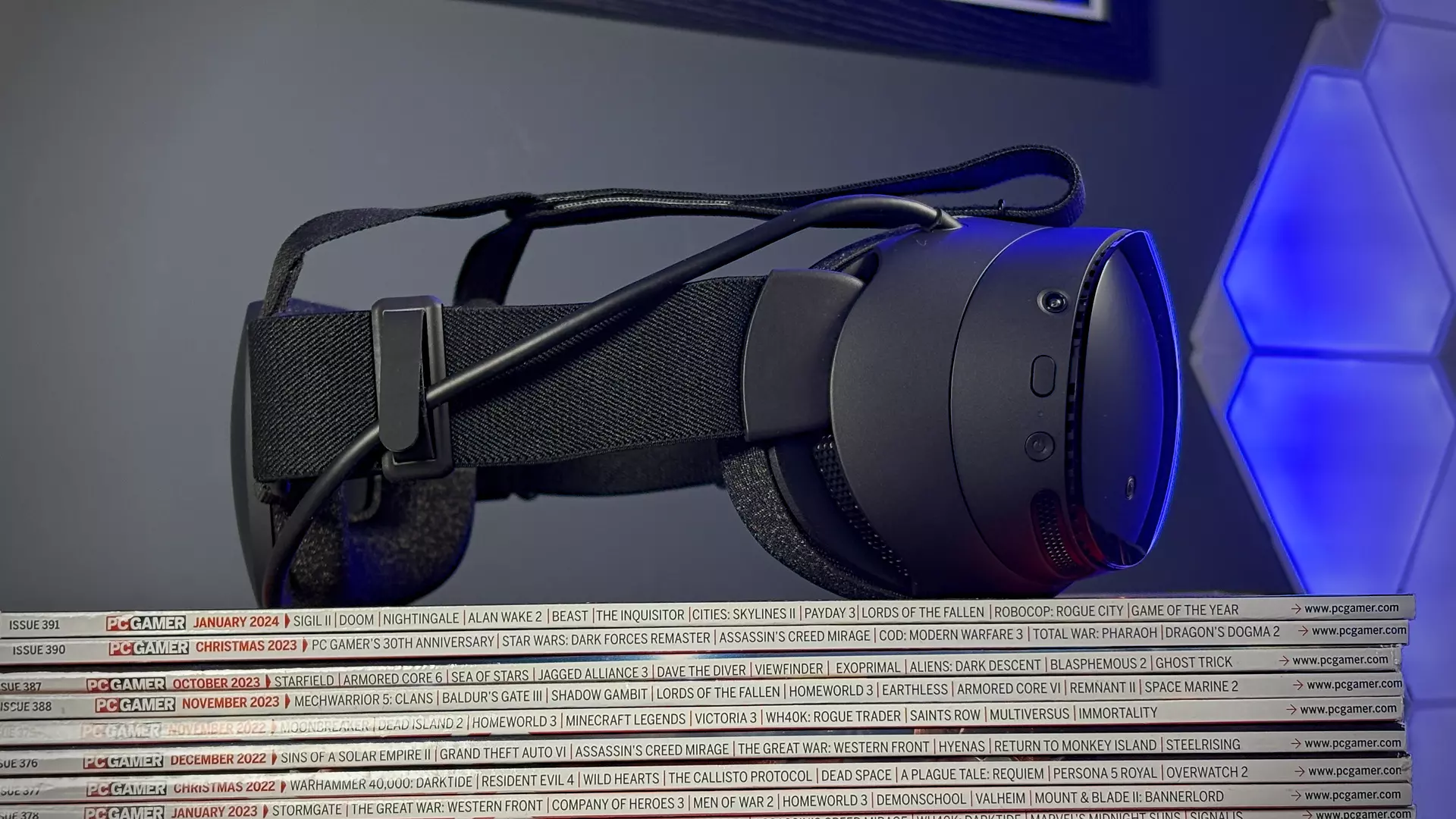
Valve's Steam Frame Update Boosts Battery Life and Features
ByMark Rosewater
Valve has rolled out a crucial update for its Steam Frame virtual reality system, significantly enhancing power efficiency and user accessibility. This software revision introduces a notable increase in battery longevity, alongside refinements to eye-tracking capabilities and improvements in the stability of VR streaming. These enhancements aim to provide a more seamless and extended virtual reality experience for users.
The update's primary focus on optimizing power consumption is particularly noteworthy. By improving energy management during both streaming and local gameplay, the Steam Frame now offers extended operational periods, directly addressing one of the common concerns in VR technology—battery life. This means users can immerse themselves in virtual worlds for longer durations, enjoying an uninterrupted gaming or viewing experience. Furthermore, the update resolves connectivity issues that previously affected wireless adapter performance in certain regions, broadening the system's accessibility and reliability.
Enhanced Performance and User Accessibility
The latest SteamOS update for Valve's Steam Frame introduces critical advancements in both hardware performance and user accessibility. A key highlight is the significant improvement in power efficiency, leading to an impressive boost in battery life by up to 12% during active use, whether streaming content or engaging in local gameplay. This enhancement translates to noticeably longer playtimes, reducing the frequency of recharging and allowing for more extended, uninterrupted VR sessions. Beyond just power, the update also brings a new eye-tracking accessibility option, enabling users to limit tracking to a single dominant eye. This feature, found within the advanced VR settings, caters to individual user preferences and needs, making the Steam Frame more inclusive. Additionally, the update rectifies previous issues with controller bindings that affected several popular VR titles, ensuring a smoother and more responsive control experience.
Valve's commitment to refining the Steam Frame experience is evident through these comprehensive updates. The power efficiency gains are a game-changer, especially for users who value prolonged immersion in VR environments. For instance, an additional 15 minutes of gameplay on a typical two-hour battery life significantly enhances usability. Moreover, the focus on eye-tracking accessibility underscores a dedication to user comfort and customization, allowing for a more personalized interaction with virtual content. Addressing critical bugs, such as the “Error 17” that impacted VR streaming reliability and wireless adapter connectivity problems, ensures a more stable and dependable platform. These technical adjustments collectively contribute to a more robust and enjoyable virtual reality ecosystem, demonstrating Valve's ongoing investment in the Steam Frame's evolution.
Strategic System Development and Future Prospects
The recent SteamOS update for the Steam Frame not only delivers immediate user benefits but also signifies Valve's ongoing strategic development in the VR and handheld gaming sectors. This operating system, a specialized version of Valve's Arch-based Linux distro, represents a unique engineering effort tailored for virtual reality and ARM-based processors. By optimizing for the Qualcomm Snapdragon 8 Gen 3, Valve is laying down foundational support for potential future ARM-powered devices, indicating a forward-thinking approach to hardware and software integration. This architectural choice is particularly interesting as it positions the Steam Frame as a potential blueprint for other innovative projects within Valve's ecosystem, including speculation about future iterations of the Steam Deck.
Valve's continuous refinement of SteamOS for the Steam Frame highlights its strategic vision for hardware and software synergy. The update's success in extending battery life and improving streaming reliability on an ARM architecture showcases the platform's versatility and potential. This development is crucial, especially in light of industry rumors suggesting that the next-generation Steam Deck might continue to utilize AMD chips. Regardless of specific hardware choices, the work done on the Steam Frame's SteamOS provides a robust framework for performance optimization across different processor types. This ongoing commitment to developing a highly adaptable and efficient operating system suggests a future where Valve's devices, whether VR headsets or handheld consoles, will offer increasingly sophisticated and user-friendly experiences, driven by continuous innovation in both software and hardware.
About the author
Mark Rosewater
Head designer for "Magic: The Gathering" and author of long-running insights on game design.