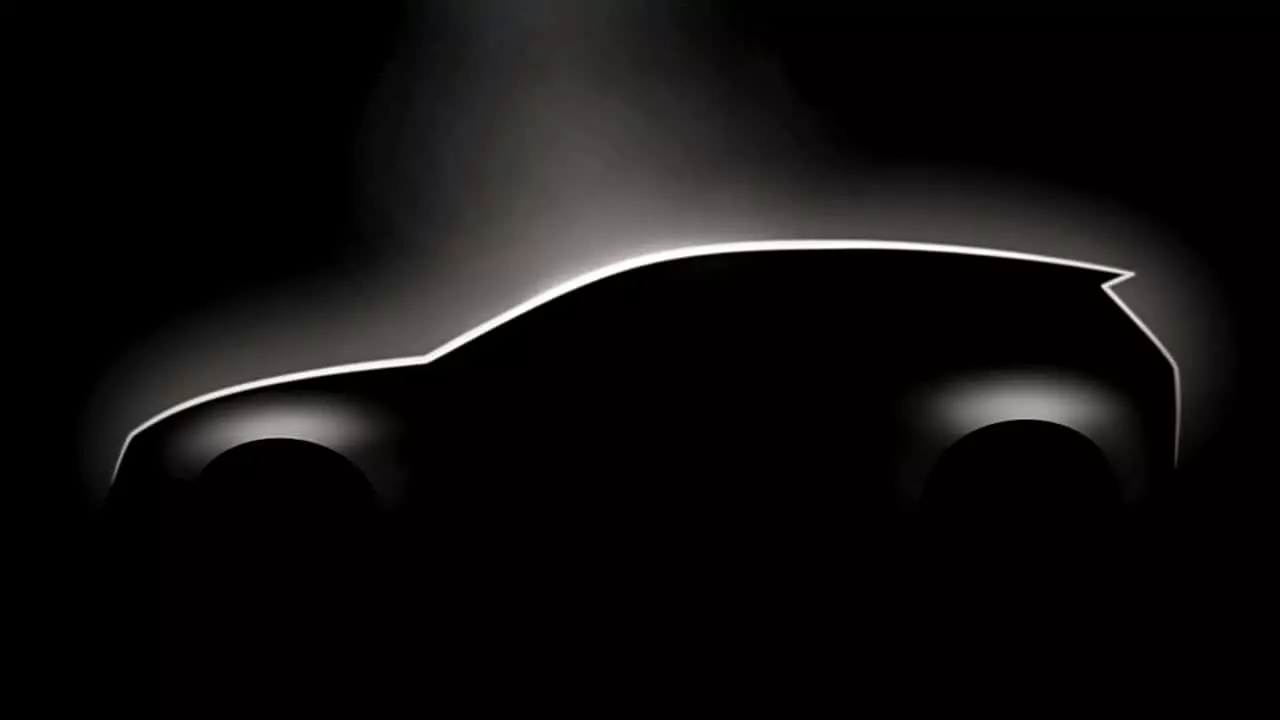
Volkswagen Halts Electric Golf Development Amid Financial Pressures
BySimona De Silvestro
Volkswagen has announced a temporary halt in the development of its electric ID. Golf, citing mounting financial pressures and a challenging global business landscape. This strategic pause reflects the automaker's renewed focus on financial discipline and careful allocation of investment capital. While the company has consistently championed electrification, the current economic climate necessitates a re-evaluation of its immediate investment priorities, even for a model bearing such an iconic nameplate. The future of the ID. Golf now remains uncertain, with no specific timeline provided for the resumption of its development, signaling a potential shift in Volkswagen's EV rollout strategy.
Volkswagen Suspends Electric Golf Project Due to Economic Headwinds
In a significant announcement during its latest financial review for the first nine months of the year, Volkswagen revealed its decision to temporarily suspend the development of the electric ID. Golf. David Powels, CFO of the VW brand and Brand Group Core, confirmed this move, stating that it is a direct response to the need for secure investments amidst current financial difficulties. This decision comes despite Volkswagen's previous strong emphasis on its electrification roadmap, highlighting a pragmatic shift towards fiscal prudence. The ID. Golf, a highly anticipated electric iteration of one of the automotive industry's most recognized models, was already slated for a later-decade release, with previous indications pointing to a launch around 2030, partly due to delays in the new Scalable Systems Platform (SSP) architecture. This platform, intended to underpin a broad spectrum of electric vehicles across the Volkswagen Group, has faced setbacks due to software complexities and escalating development expenses. Consequently, initial SSP-based vehicles are now expected from premium brands like Audi and Porsche, with the mainstream Volkswagen brand following later. Meanwhile, the existing Golf models—combustion-engine, full-hybrid, and plug-in hybrid variants—are expected to continue carrying the nameplate forward. The current Golf may even receive another facelift around 2027, coinciding with its production shift from Wolfsburg to Puebla, Mexico, as part of a cost-cutting restructuring of European manufacturing. This extended lifespan for the current generation could also impact related models such as the Skoda Octavia and Cupra Leon, which share much of their underlying hardware.
This strategic pause serves as a stark reminder that the transition to electric vehicles for major automakers is not solely driven by technological ambition but is heavily influenced by financial realities. The profitability gap between electric vehicles and traditional combustion-engine cars continues to be a critical factor in investment decisions. While Volkswagen remains committed to an electric future, the temporary suspension of the ID. Golf underscores the complex balancing act between innovation, market demand, and financial sustainability in a rapidly evolving automotive landscape.
About the author
Simona De Silvestro
Professional racing driver who provides expert insight into performance and vehicle dynamics from a driver's perspective.