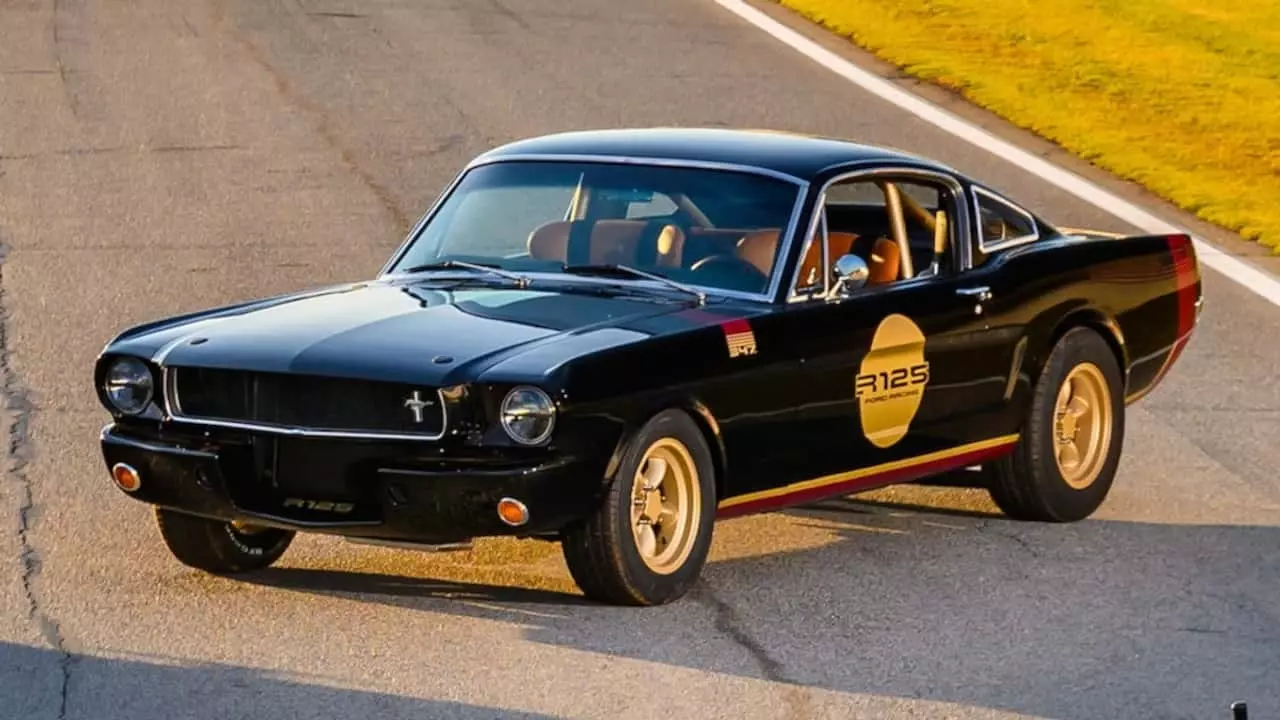
1966 Ford Mustang Restomod Blends Classic Style with Modern Performance for SEMA
ByMichele Acquaragia
Ford has revitalized a 1966 Mustang Fastback, giving it a new lease on life with modern mechanicals. The Ford Racing R125, showcased at SEMA 2026, serves as a tribute to Henry Ford's significant 1901 racing triumph, which was instrumental in the establishment of the Ford Motor Company 125 years prior. This vehicle is distinct from typical show cars; it's engineered to be driven and enjoyed, proving that a classic Mustang can be equipped with contemporary, readily available components without incurring the substantial costs often associated with comprehensive restomod projects. Every crucial element, from the engine to the fuel injection and transmission, is a part readily found in Ford Racing's catalog, making it a blueprint for enthusiasts aiming to construct a similar, high-performance classic that retains its iconic silhouette.
The R125 stands as a testament to practical performance and accessibility in the restomod world. Ford's vision was to create a classic Mustang that not only looks original but also offers modern drivability and reliability. By using easily obtainable parts, Ford aims to inspire builders to recreate similar projects, making the joy of driving a classic more attainable. This approach diverges from the extreme, often unobtainable builds commonly seen at SEMA, presenting a more grounded yet equally impressive example of automotive craftsmanship.
The Rebirth of a Legend: The Usable Restomod Philosophy
Ford's latest creation, the Racing R125, debuted at SEMA 2026, is a meticulously crafted 1966 Mustang Fastback that redefines the concept of a restomod. Unlike many show cars destined for static display, the R125 is built with an explicit purpose: to be driven. This vehicle serves as a powerful testament to Ford's ability to blend classic aesthetics with modern performance and reliability, all while keeping the project within a reasonable budget for enthusiasts. The R125 is more than just a car; it's a tribute to Ford's enduring legacy in motorsport, celebrating Henry Ford's pivotal 1901 racing victory that paved the way for the establishment of the Ford Motor Company 125 years ago. Every component choice on the R125, from its robust engine to its advanced transmission, reflects Ford's commitment to creating a classic car that is not only visually stunning but also highly functional and serviceable, encouraging owners to take it out on the road rather than merely preserving it as a museum piece.
The R125 project was never about pushing the boundaries of horsepower or creating an extravagant, one-of-a-kind showpiece. Instead, Ford aimed to develop an approachable, cost-effective restomod that a daily driver could realistically replicate using parts directly from the Ford Racing Parts catalog. This philosophy ensures that every major component—the engine, the fuel injection system, and the transmission—is a readily available item. This means that any builder following the same Ford Racing Parts list could assemble a similar vehicle without the arduous task of hunting for rare or discontinued parts. This strategy stands in stark contrast to the extreme builds often celebrated at SEMA, offering a more accessible alternative that aims for a fraction of the cost of high-end restomods like the six-figure Revology Boss 429. The R125 meticulously preserves the iconic 1966 fastback silhouette, with all modern upgrades seamlessly integrated beneath its classic skin, ensuring that its timeless appeal remains intact while benefiting from contemporary mechanical enhancements.
Powertrain Evolution: Modern Heart for a Classic Mustang
At the core of the R125 Mustang's transformation lies a formidable powertrain designed for both performance and modern drivability. Underneath its classic hood, a 347-cubic-inch stroker version of Ford's iconic small-block V8 is meticulously housed. This powerplant is constructed around an 8.2-inch-deck-height Boss 302-style block, complemented by lightweight aluminum cylinder heads. This crate engine is factory-rated to produce a robust 360 horsepower and an impressive 400 pound-feet of torque, offering a significant upgrade in performance over the original engine. Fuel delivery is precisely managed by an Edelbrock Pro-Flo electronic fuel injection system, a cutting-edge upgrade that eliminates the common carburetor issues of a true 1966 engine. This modern injection system ensures consistent cold starts and enhanced drivability, making the classic Mustang a practical and enjoyable vehicle for everyday use, seamlessly blending period-correct aesthetics with contemporary functionality.
The potent output of the R125's V8 engine is effectively transmitted through a TREMEC TKX-600 five-speed manual gearbox. Ford asserts that this transmission offers smoother shifts and superior durability compared to its predecessor, the TREMEC TKO. One of the key advantages of the TKX-600 is its compact dimensions, which allowed for its seamless integration into the Mustang's floorpan with only minimal modifications. This ease of installation is a crucial aspect of Ford's overarching goal for the R125: to demonstrate that a classic Mustang can be significantly upgraded without requiring extensive cutting and welding of the chassis, thereby keeping labor costs and complexity to a minimum. Such a straightforward transmission swap aligns perfectly with Ford's vision of a restomod project that doesn't necessitate the specialized expertise and full attention of a professional custom shop, making it an achievable endeavor for a wider range of automotive enthusiasts seeking to modernize their vintage Mustangs.
About the author
Michele Acquaragia
Fictional representative of the passionate journalists covering high-performance supercars and Italian design.