Beyond the Great Pumpkin: Iconic Halloween Moments in Peanuts Comics
ByRichard Garfield
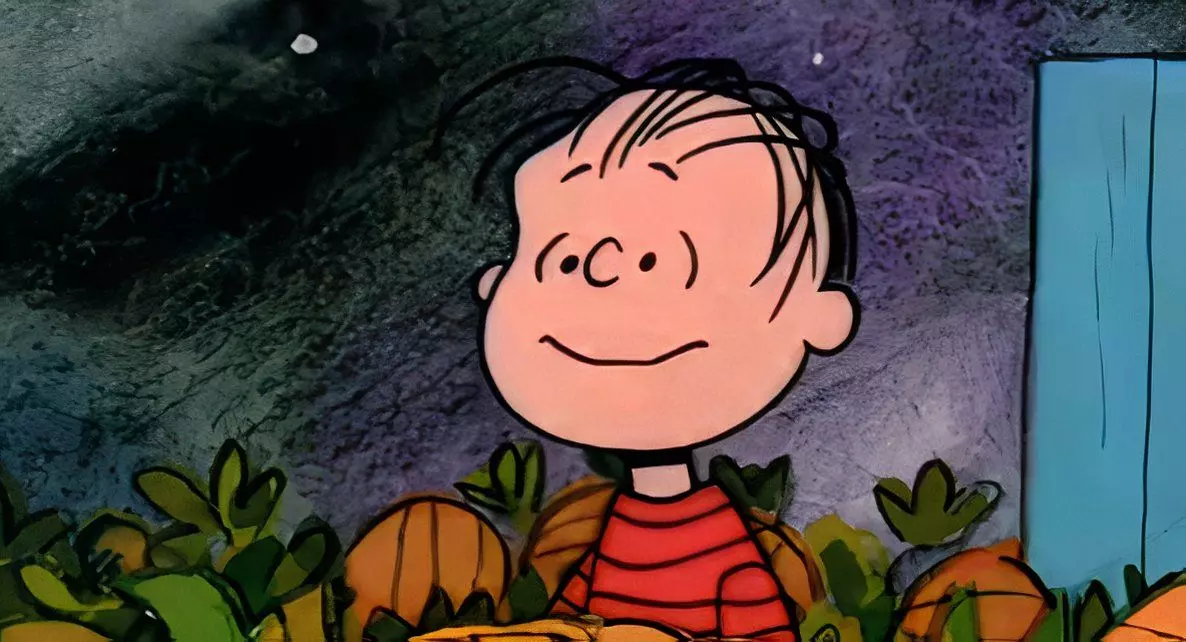
In Charles Schulz's beloved comic strip, Halloween often brought with it the annual tradition of Linus van Pelt's unwavering belief in the Great Pumpkin. For nearly four decades, Linus would patiently await its arrival, a ritual that mirrored the existential wait in Samuel Beckett's 'Waiting for Godot.' This recurring narrative, first introduced in 1959, initially served as a playful critique of holiday commercialization, highlighting how quickly retailers transitioned from Halloween to Christmas. Over time, the Great Pumpkin saga evolved, becoming a commentary on faith and unwavering conviction, with Linus occasionally even attempting to convert others to his belief.
While the Great Pumpkin remained a central Halloween motif, Schulz also crafted numerous other memorable Halloween-themed strips. Early examples from the 1950s, such as the 1951 strip, focused on the simple, childlike joys of the holiday, showcasing characters like Charlie Brown and Shermy engaging in innocent ghost pranks. The 1952 strip introduced a young Lucy van Pelt, whose early mischievousness was sometimes met with unexpected outcomes, like a jack-o'-lantern mishap. By 1954, Schroeder made an appearance in a Halloween context, momentarily stepping away from his piano to don a ghost costume, creating a humorous visual. Later, in 1974, a minimalist yet amusing strip featured Snoopy and Woodstock, with Snoopy telling a concise ghost story that comically startled his bird companion. A 1998 strip offered a fresh perspective through Rerun, Lucy and Linus's younger brother, as he experienced his first trick-or-treating adventure, providing a commentary on the peculiar nature of the tradition itself.
These diverse Halloween narratives, spanning several decades of the 'Peanuts' comic, illustrate Schulz's remarkable ability to explore various facets of the holiday beyond a single, dominant storyline. They underscore the timeless charm of the characters and their universal experiences, from childhood innocence and imaginative play to subtle social commentary. Through these vignettes, Schulz not only entertained but also encouraged readers to reflect on the traditions and human quirks that make holidays so special, emphasizing the enduring power of creativity and observation in everyday life.
About the author
Richard Garfield
Mathematician and game designer who created "Magic: The Gathering," revolutionizing collectible games.