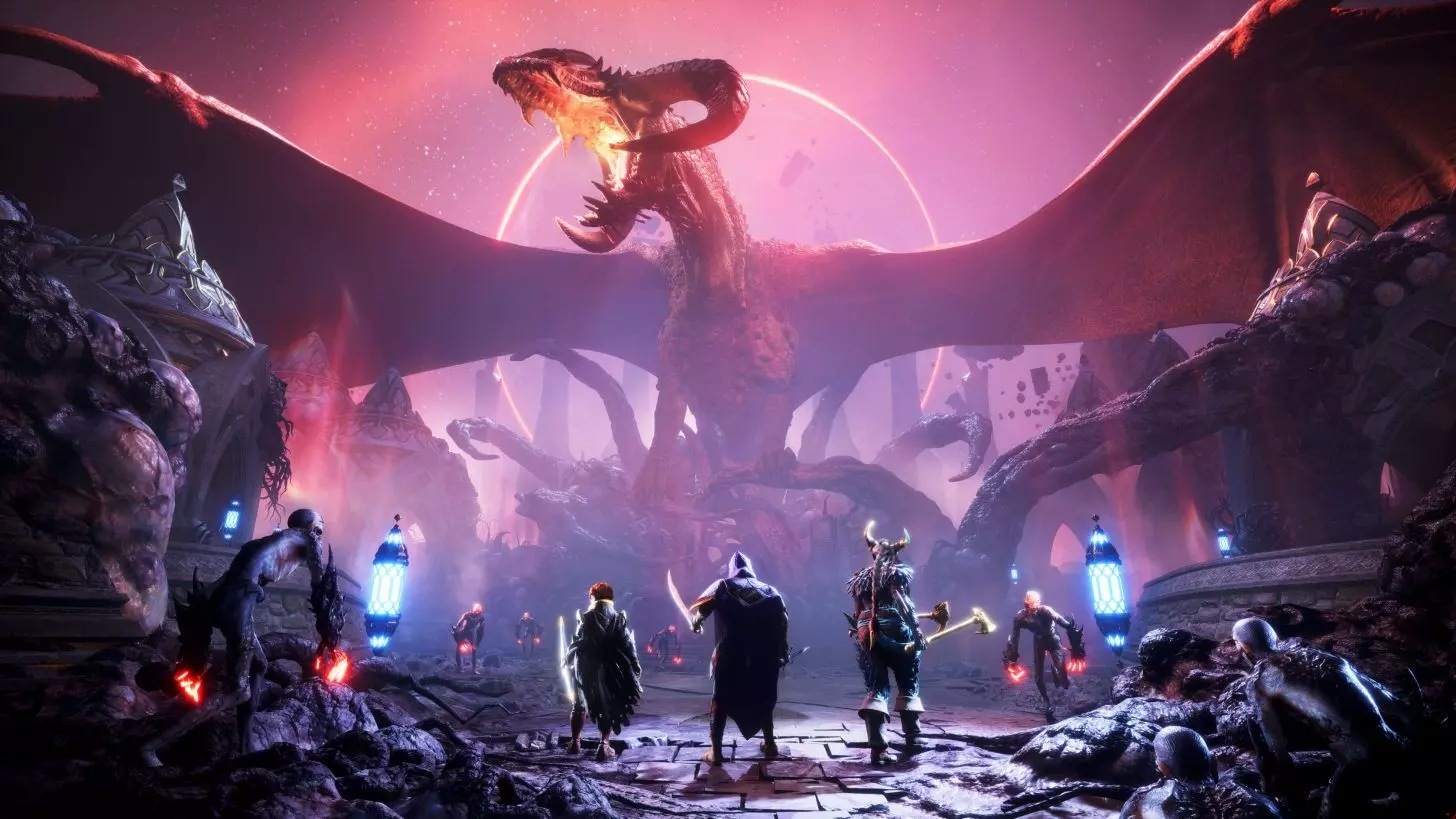
"Dragon Age: The Veilguard" emerges as BioWare's unexpected swansong, a title born from a tumultuous development journey marked by corporate meddling and a challenging market landscape. Despite facing significant headwinds, including shifts in design philosophy and a release in a highly competitive year, the game ultimately shone as a testament to BioWare's enduring creative spirit. Its blend of engaging narrative, well-crafted environments, and memorable characters solidified its place as a commendable action-RPG, leaving players to ponder what more the studio could have achieved under more favorable conditions.
The game's narrative was profoundly shaped by external pressures, enduring critical scrutiny and a less-than-enthusiastic initial reception. Yet, it bravely tackled complex themes, exemplified by characters like Taash, whose nonbinary identity was woven into the game's lore, addressing criticisms head-on. This resilience, combined with its refined combat mechanics and unique approach to world design, allowed "The Veilguard" to forge its own path, offering a fresh take on the classic RPG formula and leaving a lasting impression on its player base.
The Challenged Genesis of The Veilguard
"Dragon Age: The Veilguard" faced a difficult development cycle, navigating corporate interference and industry challenges. Its journey was marked by significant shifts in direction, including the controversial incorporation and subsequent removal of live-service elements, illustrating the external pressures game studios often endure. Despite these obstacles and a wave of online criticism, the game demonstrated BioWare's dedication to storytelling and character development, managing to deliver a compelling experience against all odds.
From its early prototype in 2017 to its public reveal, "The Veilguard" underwent constant scrutiny and evolution. Initial criticism focused on its art style and the character of Solas, while later debates centered on the inclusion of diverse characters like Taash. The game's developers, however, integrated these discussions into the narrative, allowing characters to grapple with their identities within the established lore. This innovative approach to storytelling, combined with an engaging combat system and tightly designed world, ultimately distinguished "The Veilguard" as a resilient and well-executed action-RPG, proving its merit despite a challenging and often hostile environment.
A Triumphant Swansong: BioWare's Lasting Impact
As BioWare's final creation, "Dragon Age: The Veilguard" stands as a powerful testament to the studio's legacy. Released in a saturated market and after a difficult production, the game defied expectations, offering a rich narrative and engaging gameplay that distinguished it from its contemporaries. Its ability to resonate with players despite lukewarm reviews and modest sales figures highlights the underlying quality and creative integrity that BioWare consistently brought to its projects throughout its three-decade history.
"The Veilguard" notably broke from traditional open-world conventions, favoring tightly structured, repeatable regions that fostered a sense of familiarity and progression. This design choice, along with its fluid action combat and diverse cast of companions, offered a refreshing experience for both long-time fans and newcomers. The game's success in developing intimate character vignettes and addressing moral complexities solidified BioWare's reputation for crafting deeply human stories within fantastical settings. Even in its final act, BioWare demonstrated its remarkable capacity to create impactful and memorable gaming experiences, proving that true artistry can thrive even under the most trying circumstances.
About the author
Amy Hennig
Renowned video game writer and director, known for her narrative work on the "Uncharted" series.