Examining Ecological Change Through the Unique Lens of Oyster Farming in 'Concrete Turned to Sand'
ByJohn Lasseter
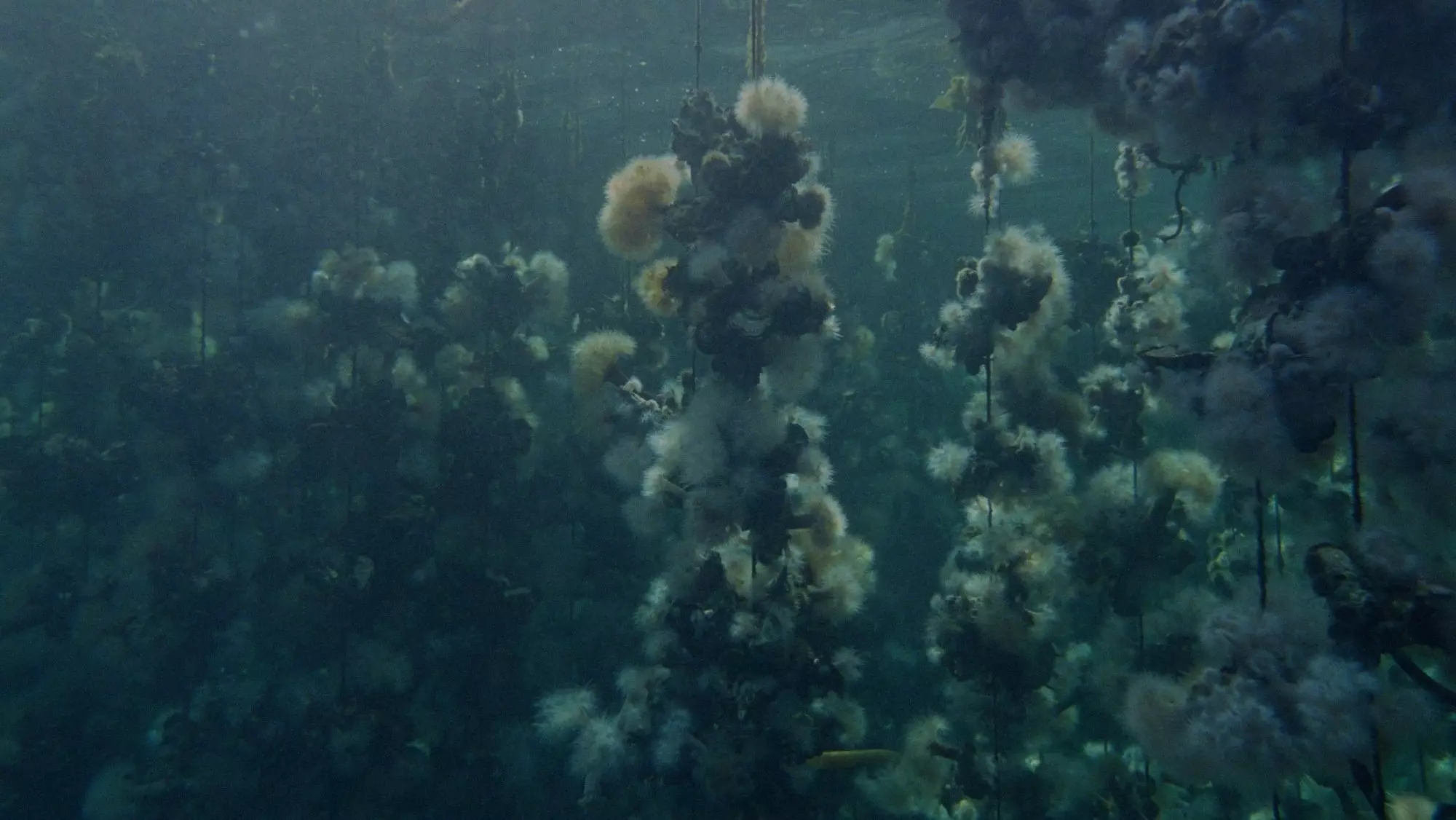
A new cinematic endeavor, 'Concrete Turned to Sand,' offers an unconventional look into the world of oyster farming in British Columbia, Canada, promising viewers an immersive sensory journey. Directed by Vancouver-based filmmakers Jessica Johnson and Ryan Ermacora, the film leverages the extraordinary visual talents of cinematographer Jeremy Cox, previously lauded for his work on 'Backrooms.' This production moves beyond conventional documentary formats, focusing instead on profound visual and auditory experiences. It aims to transport audiences into a realm where the mundane act of oyster cultivation becomes a canvas for exploring larger ecological and philosophical questions, distinguishing itself through an artistic refusal of straightforward narrative explanation.
The film distinguishes itself by delving into the critical interaction between human activity and the environment, highlighting the oysters' slow maturation against the rapid pace of climate change. With its upcoming screening in the BFI London Film Festival's Documentary Competition, 'Concrete Turned to Sand' is more than just a portrayal of nature; it is a meditation on the varied timelines that govern our planet—from the life cycle of an oyster to geological epochs. The artistic team, including sound artist and musician Scott Gailey, crafts a compelling narrative that invites reconsideration of our environmental perspectives, prioritizing sensation and immersive experience over detailed factual exposition to convey the urgency of ecological transformations.
The creators of 'Concrete Turned to Sand' express their ambition to explore the convergence of human labor, natural landscapes, and the overarching political and economic forces shaping them. By integrating scientific insights into ocean acidification with artistic representation, the film employs innovative optical and auditory techniques to bridge the gap between the audience and its ecological subject. This deliberate approach allows 'Concrete Turned to Sand' to engage viewers with the intrinsic beauty and peculiar nature of our world, encouraging a broader ecological understanding and a reflection on humanity's fleeting yet impactful presence within it.
The film, through its unique blend of visual splendor, evocative soundscapes, and thoughtful exploration of environmental themes, serves as a powerful reminder of our connection to the natural world. It challenges us to look beyond immediate concerns and consider our place within the vast, intricate tapestry of Earth's ecosystems, fostering a deeper appreciation for environmental stewardship and sustainable living.
About the author
John Lasseter
Former chief creative officer of Pixar, whose principles of storytelling have shaped modern animation.