Game Designer William Pugh Reflects on Gaming Experiences and Industry Perspectives
ByKim Swift
William Pugh, renowned for his work on "The Stanley Parable," offers a candid look into his extensive gaming background, revealing both his deep affections and profound frustrations with the digital entertainment world. From his early exposure to online multiplayer through "Worms 4: Mayhem" to his current immersion in "Deadlock," Pugh's journey underscores a career shaped by both classic titles and a commitment to collaborative creation. His reflections extend to the transformative impact of open-source software like Blender, emphasizing its role in fostering artistic freedom and challenging proprietary industry models.
Pugh's gaming roots trace back to childhood shareware and the foundational online experiences of "Worms 4: Mayhem." This early exposure to digital interaction laid the groundwork for his involvement with games like "Team Fortress 2," a title he credits with introducing him to the Source engine's modding community. This path eventually led to his collaboration with Davey Wreden on the critically acclaimed "The Stanley Parable." After its success, Pugh established Crows Crows Crows, a studio recognized for its unique, often humorous, narrative-driven games, including "Dr. Langeskov, The Tiger, and The Terribly Cursed Emerald," the VR experience "Accounting+," and the updated "The Stanley Parable: Ultra Deluxe." Beyond his studio work, Pugh is actively involved as a producer for the upcoming PlayStation 5 title "Hunter's Moon," a folk horror game with historical themes.
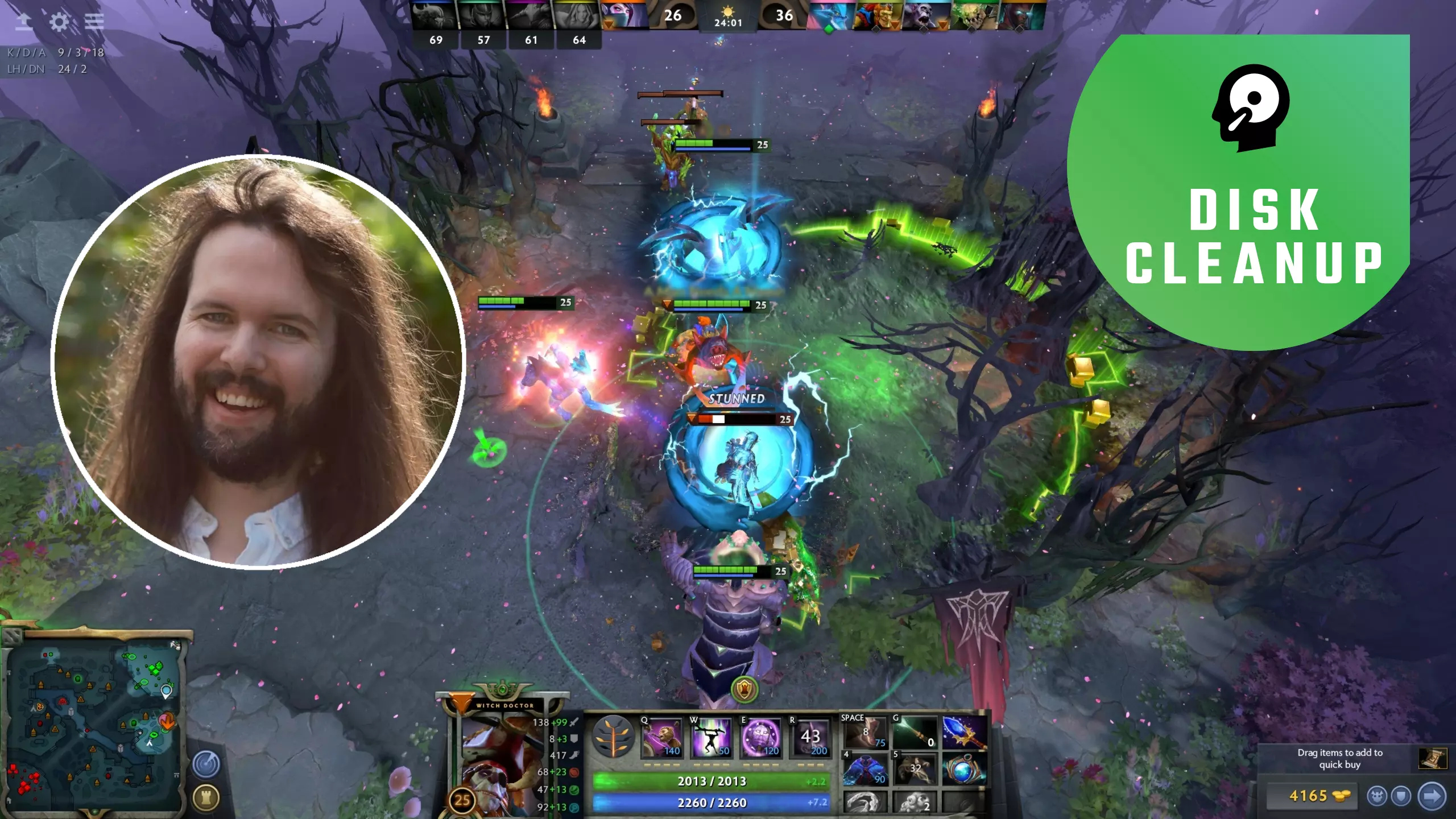
Currently, Pugh dedicates considerable time to "Deadlock," a game he describes as a streamlined version of the MOBA genre, stripping away what he considers unnecessary complexities found in titles like "Dota 2." He praises "Deadlock" for its focused gameplay and engaging characters, hopeful that its monetization strategy will remain player-friendly. His admiration for "Deadlock" contrasts sharply with his complex feelings towards "Dota 2," a game in which he has accumulated over 1,600 hours despite openly expressing disdain for the experience. Pugh characterizes "Dota 2" as a game fueled by a desire to conquer rather than love, highlighting the intense, often toxic, nature of its competitive environment. Despite his grievances, he acknowledges its capacity for complete mental absorption, serving as a powerful distraction from real-world worries.
Among his permanently installed games, "Team Fortress 2" holds a special place, not only for its sentimental value but also for its profound influence on his career. Pugh recalls winning a "Saxxy award" in the game and the vibrant community that shaped his early modding endeavors, which directly contributed to the creation of "The Stanley Parable." He laments the current state of public matchmaking in "Team Fortress 2," noting its decline in community spirit, yet still cherishes its artistic merit and its capacity to connect players. Pugh expresses a strong desire for a "Team Fortress 3," jokingly stating he would "die on that hill."
Outside of gaming, Pugh is a fervent advocate for open-source software, particularly Blender. He champions its accessibility and community-driven development as a superior alternative to proprietary models that often prioritize perpetual revenue generation through licensing. He envisions a future where open-source tools like Blender empower artists by providing stable, adaptable platforms, weakening the grip of subscription-based software. Pugh’s personal computing habits reflect a playful disregard for digital tidiness, with his desktop often cluttered. He treasures his extensive collection of digital artifacts from years past, viewing them as a repository of his artistic evolution and a testament to the pure, uninhibited creativity of youth.
About the author
Kim Swift
Video game designer known for pioneering work on "Portal," focusing on innovative puzzle mechanics.