Memory Shortages Expected to Intensify, Driving Up Prices for Electronics
ByJane McGonigal
Anticipated improvements in the global memory market appear unlikely in the near future. Reports indicate that memory component scarcity is poised to escalate further in the coming years, presenting a challenging outlook for the electronics industry and consumers alike. The persistent imbalance between the production and consumption of these crucial components is set to drive up costs across various sectors.
Global Memory Market Faces Worsening Shortages and Price Hikes
In a recent announcement from October 2026, Sanjay Mehrotra, the Chief Executive Officer of Micron Technology, revealed a grim forecast for the memory market. He stated that the demand for memory chips is considerably surpassing the available supply. This critical situation is expected to intensify through 2027 and 2028, with market conditions predicted to be even tighter than in 2026. Mehrotra explicitly warned that consumers should brace for "much higher prices" compared to current levels. He acknowledged that there is no clear timeline for when the supply and demand equilibrium will be restored. In response, Micron Technology is investing a substantial $25 billion in capital expenditure during the first half of its new financial year to establish new manufacturing facilities, aiming for operation by 2028. However, even with these efforts, the company expects a prolonged period before market stability is achieved.
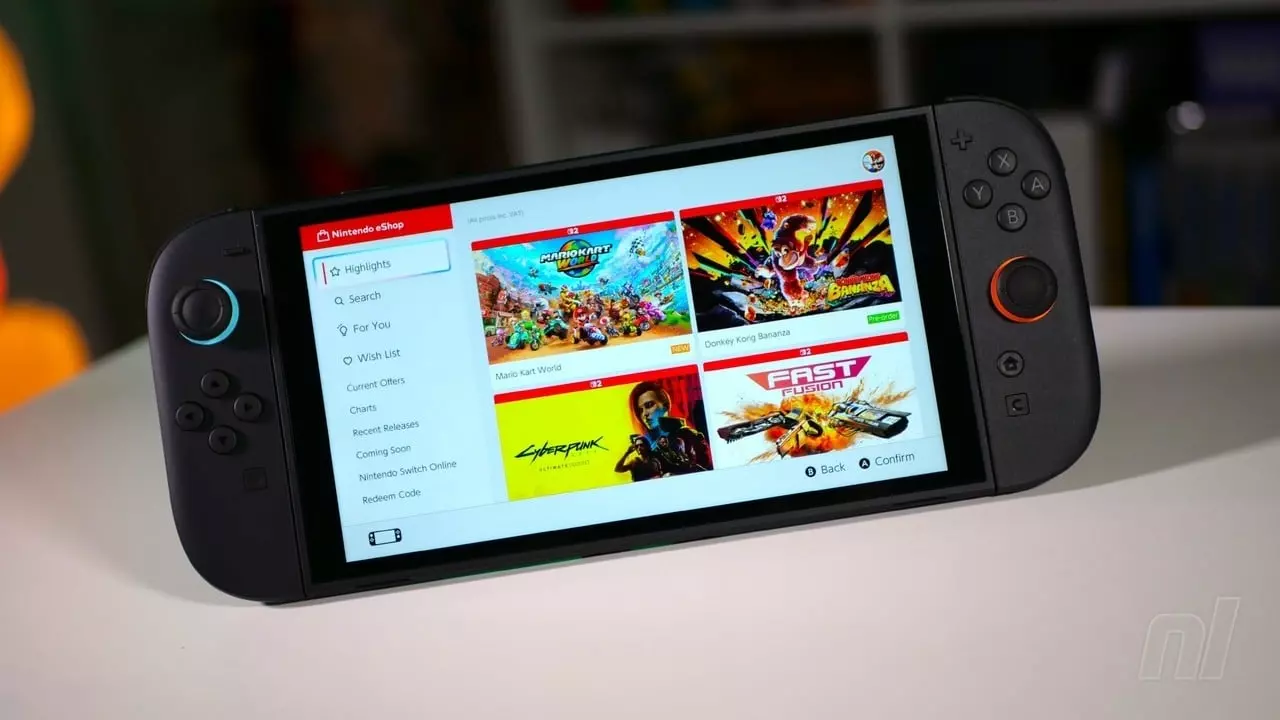
The primary catalyst behind this soaring demand for memory is the rapid expansion of Artificial Intelligence (AI) data centers. This boom has created an unprecedented need for high-performance memory, subsequently pushing up production costs. These increased costs are inevitably being passed on to end-users through elevated product prices. Major gaming console manufacturers have already adjusted their pricing strategies. For instance, Nintendo has implemented price increases for its Switch 2 globally, and similar adjustments have been made by Sony for the PlayStation 5 and Microsoft for the Xbox Series X|S. If the current market trends persist, it is highly probable that further price adjustments will occur within the next year, solidifying the expectation of continued cost escalation for electronic devices.
This ongoing memory crunch serves as a stark reminder of the intricate global supply chains and the ripple effects that technological advancements can have on various industries and consumer markets. The surge in AI development, while promising, is evidently placing significant strain on the availability and affordability of essential hardware components. As manufacturers grapple with these challenges, consumers are left to navigate a landscape of rising prices and potential product availability issues. This situation underscores the need for strategic planning and innovation within the semiconductor industry to meet future demands sustainably.
About the author
Jane McGonigal
Game designer and author who writes about using games to improve real life and solve problems.