Motion Blur vs. Chromatic Aberration: The Ultimate Visual Effect Debate
ByRichard Garfield
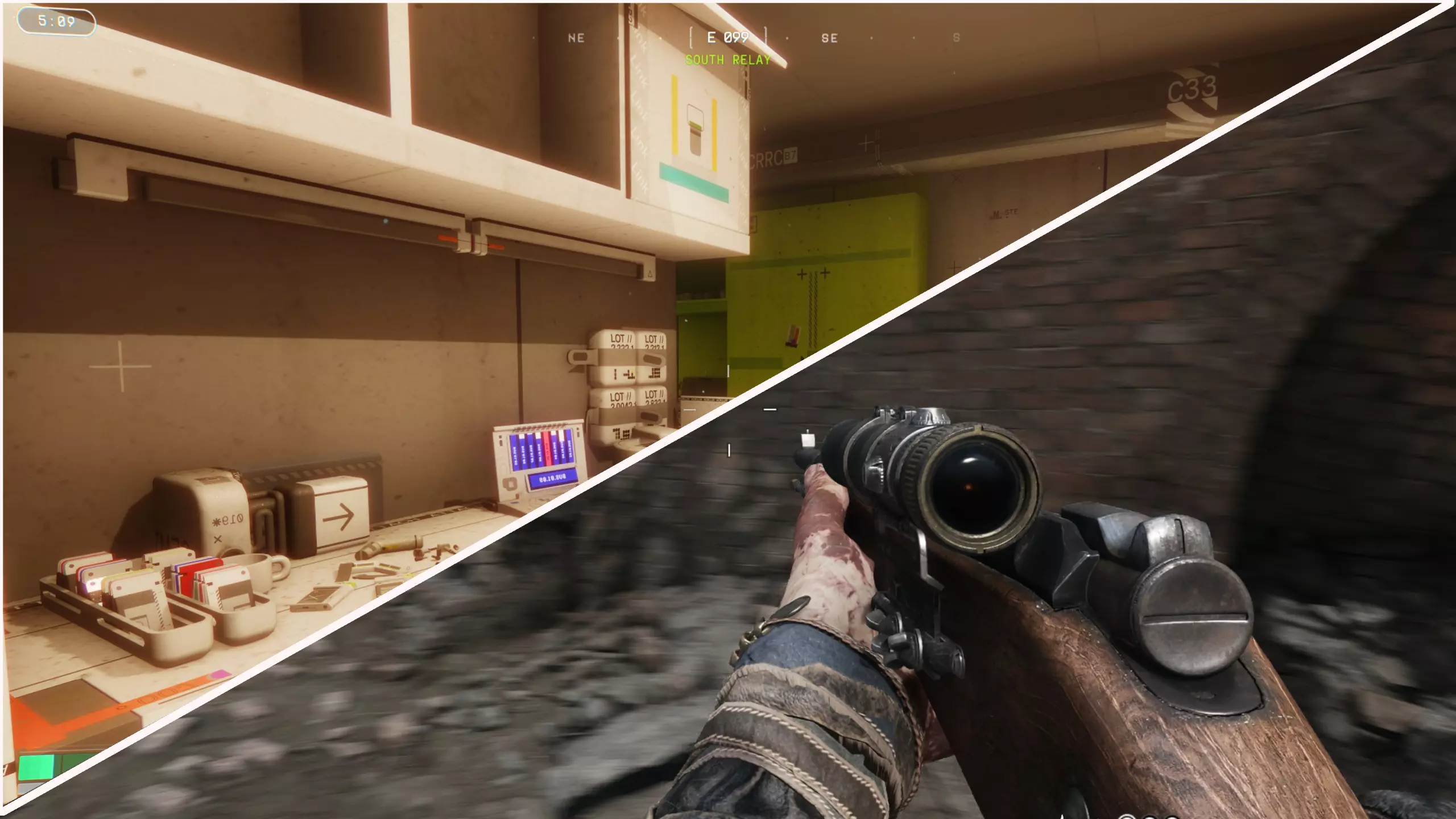
In the realm of video game aesthetics, a contentious debate has reached its pinnacle, pitting two widely discussed visual effects against each other: motion blur and chromatic aberration. This surprising final showdown invites players to actively participate in a poll that aims to definitively conclude which of these graphical techniques is least desired in modern gaming. The community's decision will be revealed shortly, marking a potential turning point in how these effects are perceived and utilized within the industry.
To facilitate an educated vote, the article presents clear examples of each effect in action. Motion blur, often implemented to simulate the perception of speed or camera movement, can sometimes detract from visual clarity, especially during fast-paced sequences. Chromatic aberration, which mimics the lens distortions of real-world cameras by creating color fringing, can also be divisive, with some finding it adds cinematic flair while others view it as an unnecessary visual distraction. The impending results are expected to reflect a strong community consensus on which effect is more detrimental to the overall gaming experience.
Understanding Motion Blur
Motion blur is a graphical rendering technique that simulates the streaking or blurring of objects that are in motion, relative to the viewer or the camera. It is commonly used in video games to enhance the perception of speed, smooth out frame rate inconsistencies, and provide a more cinematic look. However, its implementation can be a double-edged sword. While some developers and players appreciate its immersive qualities, others find it disorienting, causing discomfort or making it harder to track fast-moving targets. The debate often centers on whether the added sense of dynamism outweighs the potential loss of visual sharpness and clarity, particularly in competitive gaming scenarios where precise visual feedback is crucial.
The visual impact of motion blur can vary significantly depending on its intensity and the game's context. When applied subtly, it can contribute to a seamless visual flow, reducing the appearance of stuttering or low frame rates. Yet, an overly aggressive application can transform the screen into an indistinct mess during rapid movements, leading to a phenomenon known as "ghosting" or "smearing." This can be particularly problematic for players sensitive to visual artifacts or those who prioritize crisp, unblemished imagery. Ultimately, the effectiveness of motion blur is a matter of personal preference and game design philosophy, prompting ongoing discussions within the gaming community about its role and necessity.
Deconstructing Chromatic Aberration
Chromatic aberration, another frequently debated visual effect in video games, emulates a real-world optical phenomenon where a lens fails to focus all colors to the same convergence point. In games, this translates to a subtle (or sometimes not-so-subtle) color fringing around objects, typically red, green, or blue hues, most noticeable at the edges of the screen or on high-contrast elements. Game developers often employ chromatic aberration to evoke a more film-like or stylized visual aesthetic, aiming to create a sense of depth, atmosphere, or even a nostalgic feel. However, much like motion blur, its appeal is not universal, with a significant portion of the player base finding it distracting and detrimental to visual quality.
The controversy surrounding chromatic aberration stems from its potential to introduce visual imperfections that some perceive as a downgrade rather than an enhancement. Critics argue that it can make the image appear less sharp, particularly on detailed textures or text, and can even cause eye strain or discomfort for certain individuals. While proponents might appreciate its artistic contribution and the unique mood it can establish, opponents often prioritize pristine visual fidelity and object to any effect that deliberately introduces distortion. This ongoing discourse highlights the delicate balance developers must strike between artistic vision and player experience, as they navigate the diverse preferences within the gaming community regarding post-processing effects.
About the author
Richard Garfield
Mathematician and game designer who created "Magic: The Gathering," revolutionizing collectible games.