Winter Weather Alerts Issued for Several US Regions
ByAkira Maruta
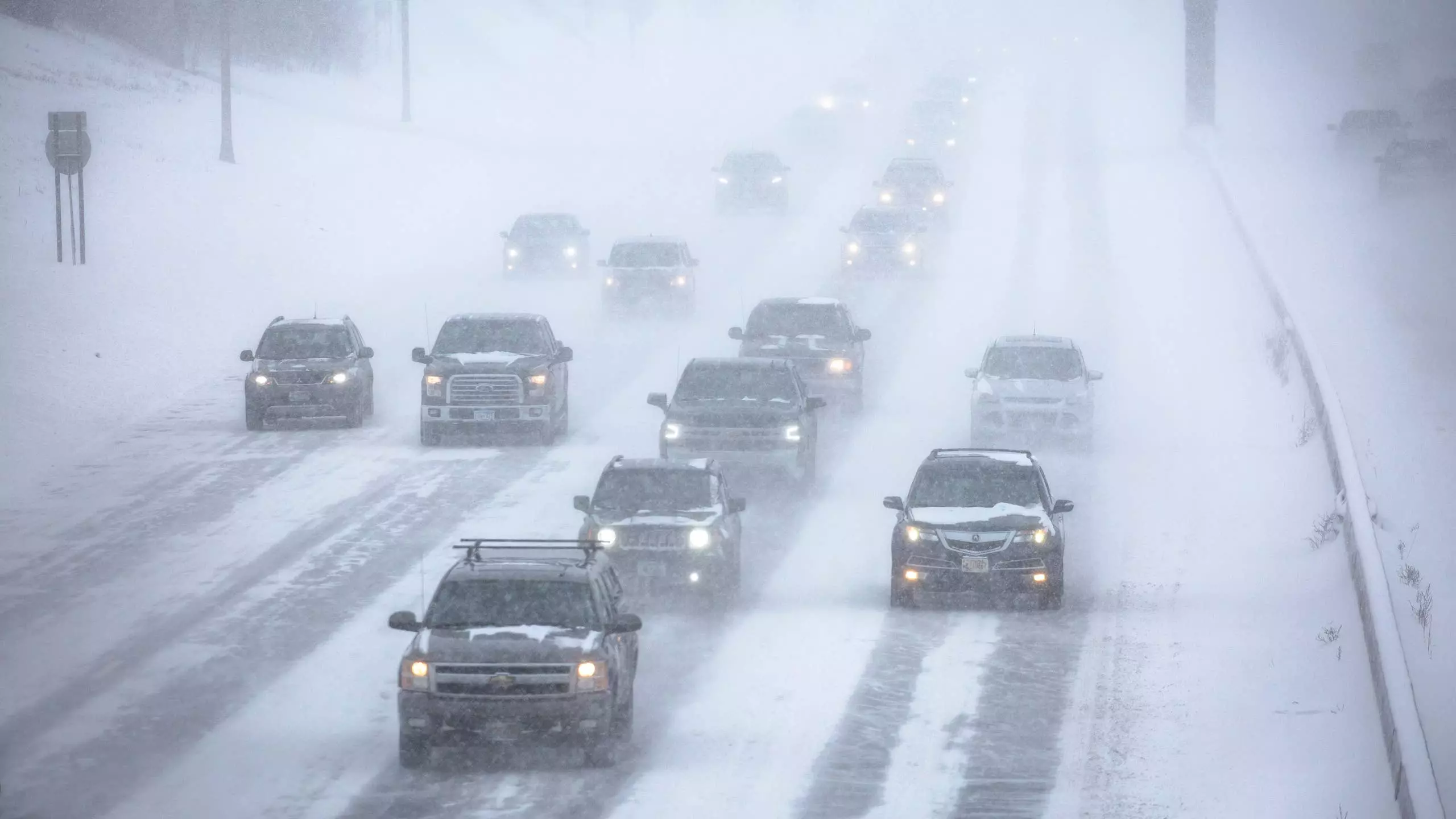
Winter weather advisories are in effect across several states, warning residents and travelers of significant snowfall, strong winds, and hazardous road conditions. Forecasts indicate some areas could receive as much as 15 inches of snow, accompanied by wind gusts up to 55 miles per hour. These severe conditions are expected to affect major interstates and mountain passes, posing challenges for Monday's commutes.
Interstate 80, a critical east-west artery, particularly between Cheyenne and Laramie, is under a winter weather advisory from Monday morning until early Tuesday. The National Weather Service in Cheyenne anticipates two distinct periods of snowfall, each bringing 2 to 4 inches of snow, with a brief reprieve in between. During the evening commute, drivers should brace for wind gusts reaching 55 mph and significantly reduced visibility, making travel treacherous. Further west along I-80, near Arlington and Elk Mountain, a separate advisory for wet snow and gusts up to 40 mph is in effect for most of Monday. Authorities are particularly concerned about bridges and overpasses becoming slick and dangerous.
In Colorado, mountain regions above 9,000 feet, including the vicinity of the Eisenhower Tunnel, Berthoud Pass, Winter Park, and Breckenridge, are also facing a winter weather advisory. The National Weather Service in Denver predicts 3 to 7 inches of snow from Monday morning through early Tuesday, with slippery road conditions expected to impact both morning and evening commutes. These conditions highlight the importance of careful driving and preparation for those traveling through the Colorado Rockies.
Highway 14, which traverses the Bighorn Mountains in Montana and Wyoming, is another area of concern. NWS Billings has issued an advisory until Monday night, forecasting up to 10 inches of snow and gusts of 45 mph, with the heaviest precipitation expected on Monday morning. The combination of snow and blowing snow will severely reduce visibility to less than a quarter mile, making travel extremely difficult. Farther south in the Bighorns, NWS Riverton expects even heavier snowfall, with 10 to 15 inches at the highest elevations near Cloud Peak and gusts up to 55 mph. Granite Pass and Powder River Pass are also expected to see several inches of snow.
Beyond snowfall, high winds present a unique hazard on Wyoming's I-80 summit, particularly for high-profile vehicles. The Wyoming Department of Transportation has implemented specific warnings for "blow-over risk," some even detailing weight-specific advisories for commercial vehicles and trailers. These warnings are based on current and projected wind speeds, as well as road characteristics, and are crucial for preventing accidents, which historically peak during winter months, especially in February and December. Drivers are urged to heed these restrictions, which are displayed on overhead signs and through the state's 511 system.
Colorado's traction law adds another layer of regulation for drivers on I-70, particularly through the Eisenhower Tunnel. This law, in effect from September through May, mandates specific tire requirements for safe passage. Drivers must have tires with at least 3/16 of an inch of tread and either four-wheel/all-wheel drive, M+S rated tires, winter tires with the mountain and snowflake symbol, or all-weather tires. Failure to comply can result in significant fines, escalating to $500 plus surcharges if a non-compliant vehicle obstructs traffic. These measures are critical for maintaining safety and preventing disruptions on major roadways during winter conditions.
As winter weather continues to impact these regions, authorities emphasize the need for caution and preparedness. Drivers should monitor weather forecasts, adjust travel plans accordingly, and ensure their vehicles are equipped for adverse conditions to minimize risks on the road.
About the author
Akira Maruta
Fictional representative of journalists deeply knowledgeable about JDM (Japanese Domestic Market) tuning and technology.