Divergent Automotive Desires: Why Chinese Cars Prioritize Tech Over American Affordability
ByChris Harris
A recent study by Bain & Company illuminates a significant divergence in what car buyers prioritize across different regions. This research indicates that American and European consumers predominantly focus on a vehicle's price point, whereas their Chinese counterparts place a much higher value on technological features and advanced integrations. This fundamental difference in consumer expectations directly impacts how automakers design and market their vehicles in these distinct global markets.
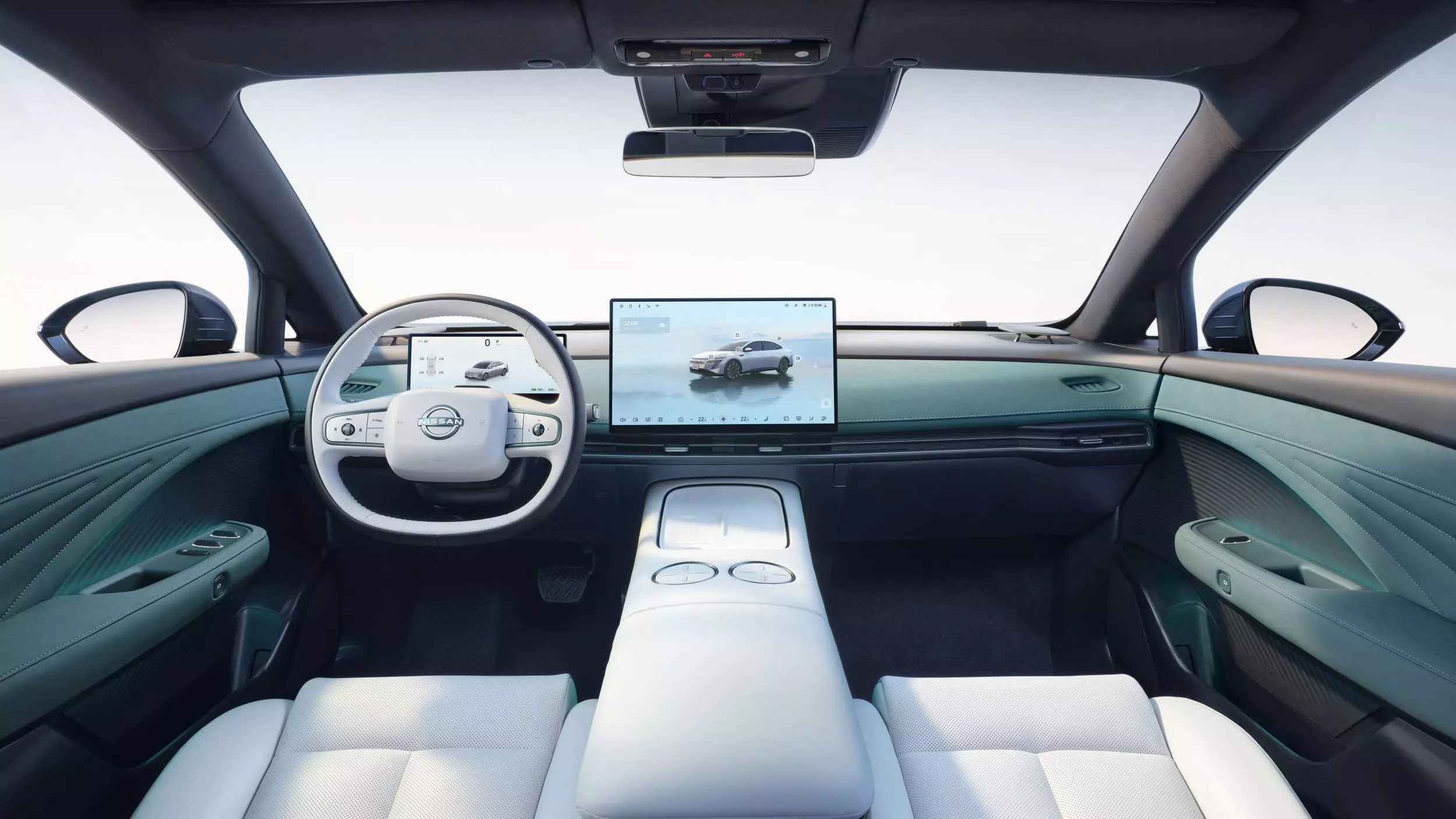
This disparity in consumer preferences is not without clear underlying causes. In the United States and Europe, the rising cost of living has made affordability a critical factor in purchasing decisions, pushing price to the forefront for the majority of buyers. Conversely, the intense competition and ongoing price wars within the Chinese automotive industry have led to more accessible vehicle pricing. This economic landscape allows Chinese manufacturers greater flexibility to equip their cars with a wealth of technological advancements, turning cutting-edge features into a primary selling proposition rather than a luxury add-on. As a result, Chinese vehicles are frequently packed with extensive infotainment systems, multiple digital displays, advanced driver-assistance systems, and comfort enhancements that are often considered optional extras in other markets.
Beyond geographical distinctions, demographic factors like age also play a crucial role in shaping automotive demand, particularly concerning electric vehicles. The study shows that younger generations, including Gen Y and Gen Z, in both the US and China, exhibit a greater openness to adopting battery electric vehicles. This contrasts sharply with older demographics, especially in the US, who are considerably less inclined to switch to electric. These varying preferences underscore the need for global automotive brands to adopt highly localized strategies. Understanding and responding to the diverse needs and desires of different consumer segments, from tech-savvy Chinese buyers to price-sensitive Americans, is paramount for success in an increasingly complex and segmented global market.
The global automotive landscape is a dynamic tapestry woven with diverse consumer desires and regional economic realities. As manufacturers navigate these varied expectations, the emphasis shifts from a one-size-fits-all approach to creating vehicles that resonate deeply with specific cultural and economic contexts. This ongoing evolution fosters innovation and responsiveness, pushing the industry to constantly adapt and ultimately deliver a broader array of choices that genuinely serve the global community's varied needs. Embracing such diversity in demand not only enriches the market but also drives progress towards more thoughtful and consumer-centric automotive solutions worldwide.
About the author
Chris Harris
Driver and journalist, now with Top Gear, renowned for his technically skilled and enthusiastic car reviews.